 A few paint palette abstract compositions made from some of the card palettes used for my David Bowie canvas. These are obviously quite small but are also quite fun to do. Al


A few paint palette abstract compositions made from some of the card palettes used for my David Bowie canvas. These are obviously quite small but are also quite fun to do. Al
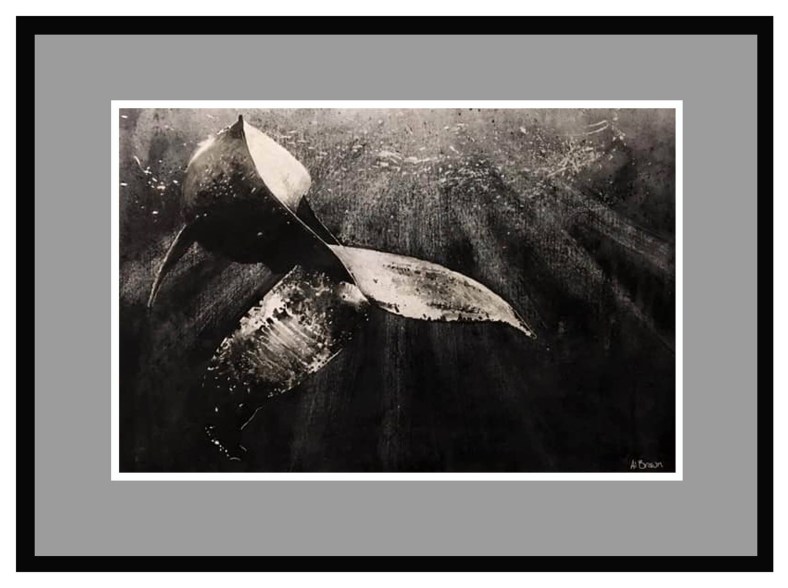 A Bideford Black painting of a humpback whale. 720 x 640mm on Bockingford Paper. Whale image taken from a stock picture and the background completed with salt, sandpaper and masking fluid to create some texture.
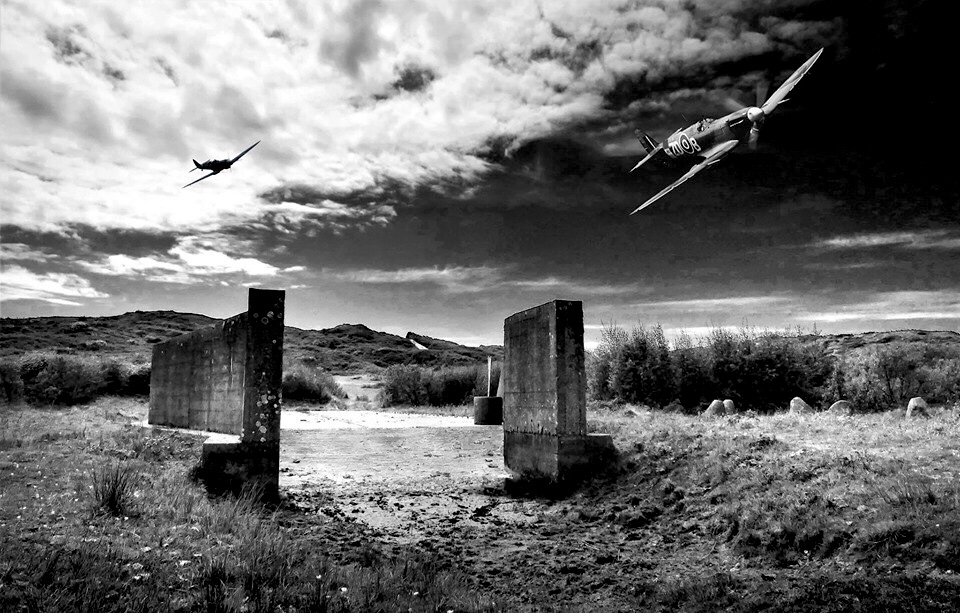
This is my version inspired by Buckham’s work of Spitfires over the US Assault Training Centre concrete landing craft on Braunton Burrows. These concrete structures, were laid during the World War 2 by the Americans when practising for the D Day Landings on Omaha and Utah by 146th Eng, Co C, 1st Platoon. Al
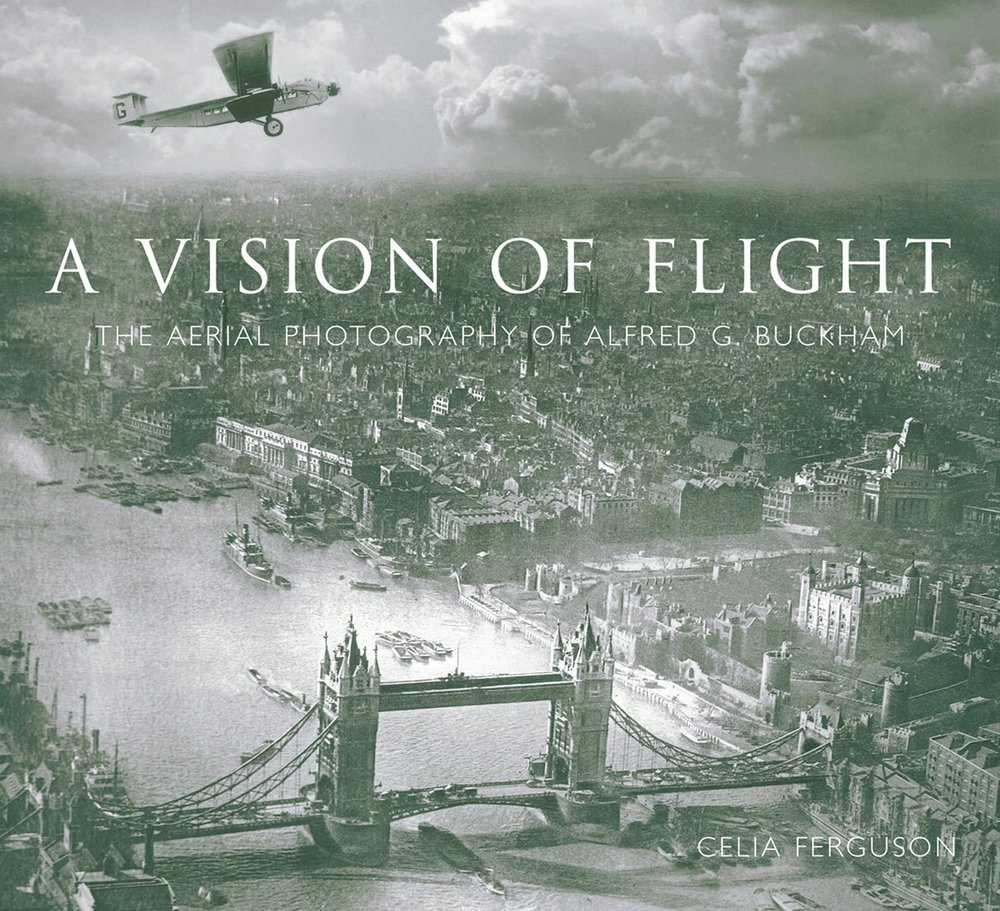
I’ve been looking recently at the old 1920s aerial photographs by Alfred G. Buckham. I loved looking at his pictures in old faded books when I was a child and marvelled at their imagination and camera angles, I later understood that they were actually skilful photo-montages.
Alfred was born in London on 6 November 1879. He began his career in photography in 1905 and joined the RAF as a reconnaissance photographer in 1917. He became the first head of aerial reconnaissance for the Royal Navy, in the First World War and later a captain in the Royal Naval Air Service.
Buckham was involved in 9 crashes, 8 of which saw him relatively unscathed. After the ninth, however, he had to have a tracheotomy and breathed through a small pipe in his neck for the rest of his life. Despite this, he carried on his aerial photography career, often in very perilous conditions. He felt the best shots were made standing up, writing “If one’s right leg is tied to the seat with a scarf or a piece of rope, it is possible to work in perfect security”.
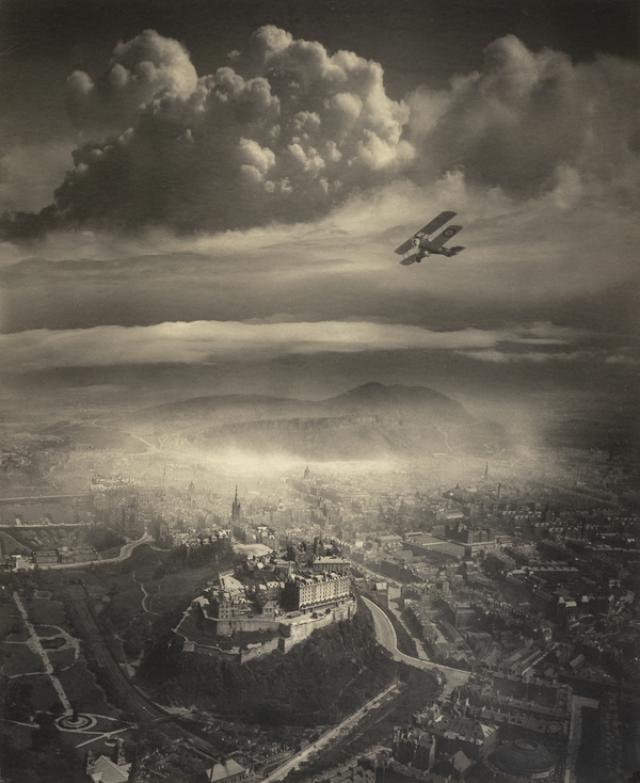
 Hawker Hurricane over the Linhay on the Marsh!
 Bideford Black painting of the Tarka Trail in North Devon. This is popular with cyclists and walkers alike. Al
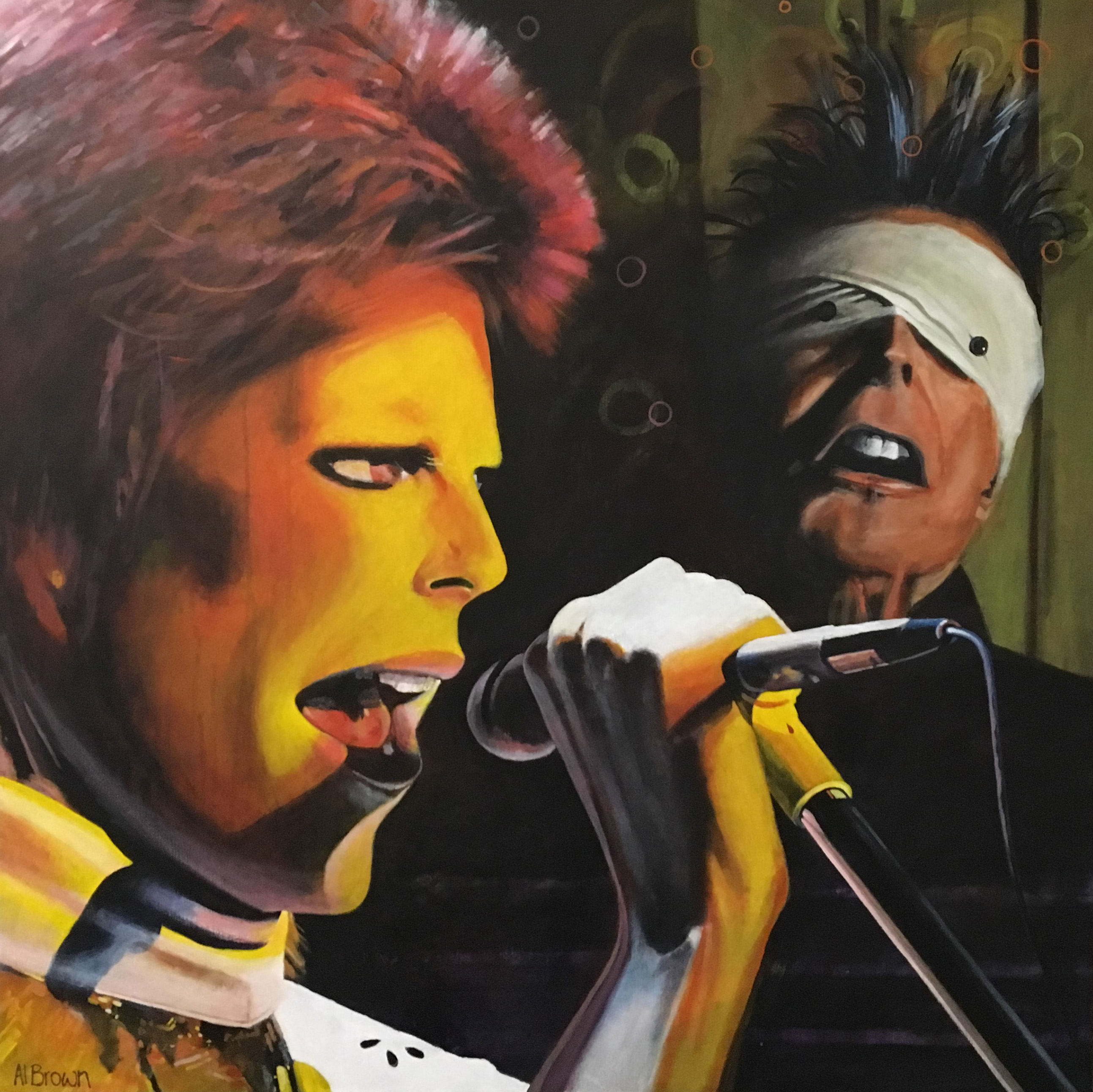 I’ve always wanted to paint Bowie and now this is it. Acrylic on deep canvas 36 x 36″. In the background is an image from his last video, Lazarus.
Look up here, I’m in heaven
I’ve got scars that can’t be seen
I’ve got drama, can’t be stolen
Everybody knows me now!


Just an idea placed into my head by someone. If you can’t really afford a large original perhaps a smaller Fridgie? This time next year Rodney, we’ll be millionaires!
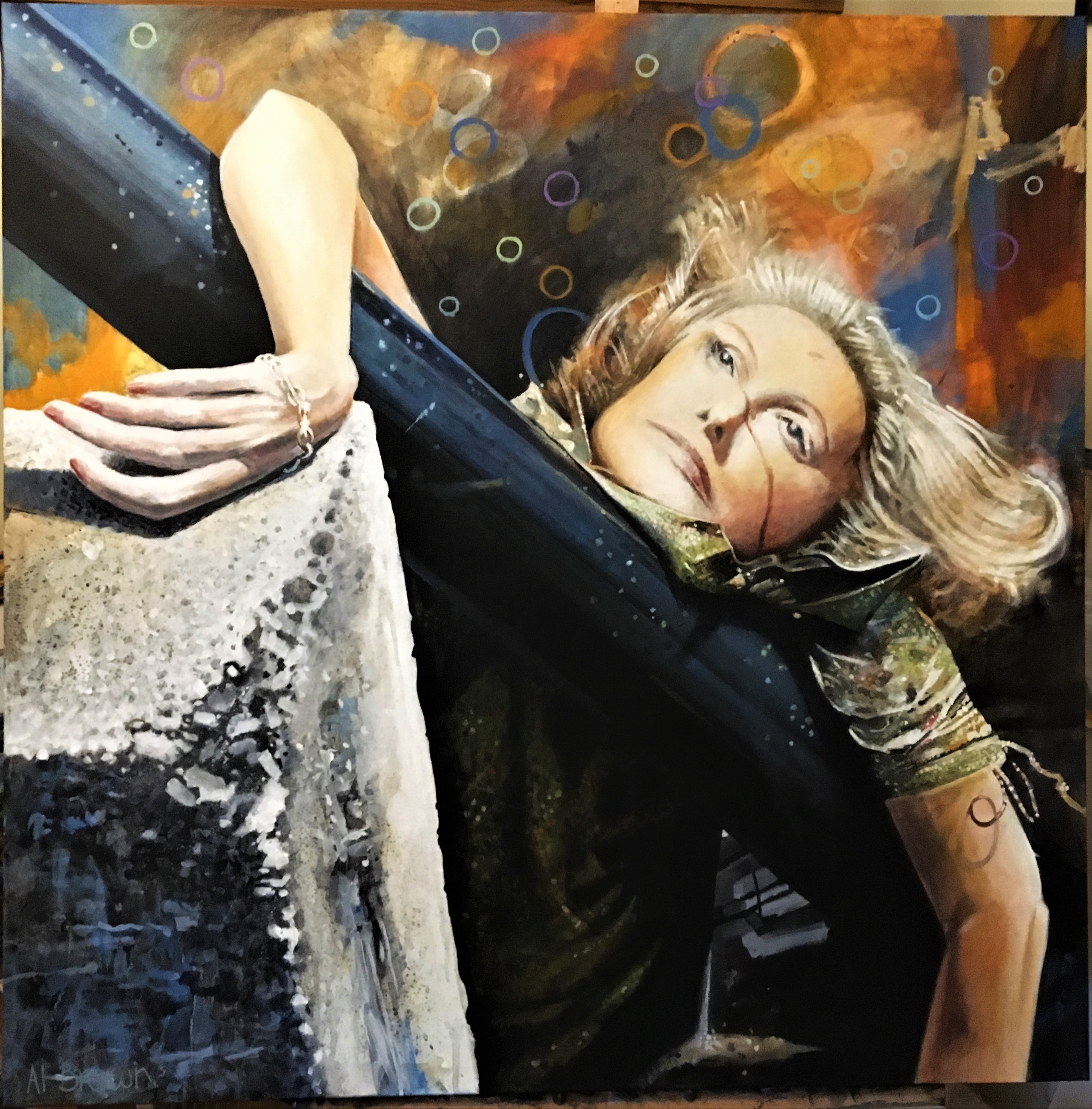
Acrylic on 36 x 36″ canvas. Adela Legarreta Rivas 1979.
Original image by Enrique Metinides.


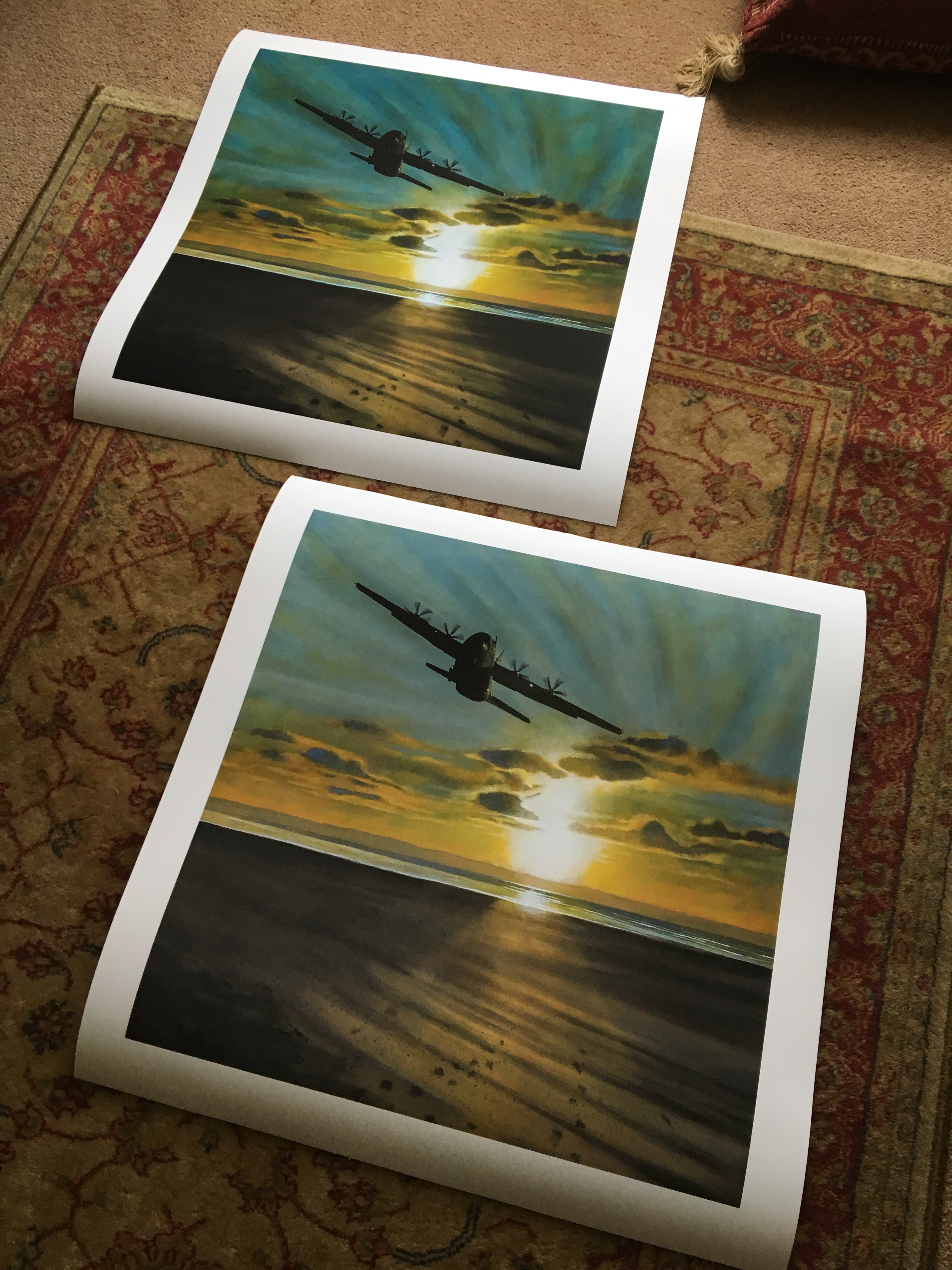 Many thanks to Adrian Beasley Imaging for these initial prints of one my paintings Hercules over Saunton, painted earlier in the year. Hercules practicing landing and take offs on Saunton Beach in North Devon.
 Another Bideford Black painting 610 x 350mm on Bockingford paper. This was from an idea by Adrian Beasley Imaging who suggested copying one of his landscape photographs for an upcoming joint exhibition at a local venue. We are both exhibiting black & white landscapes and a comparisonal piece will be interesting. Just a few minor adjustments in the cold light of day but this is it. See you on North Devon Art Trek. Al
 The original AB photographic image above and my afternoon’s work beneath. I’ve taped the outside so that when removed it gives a kind of photographic edge to my painting. Al
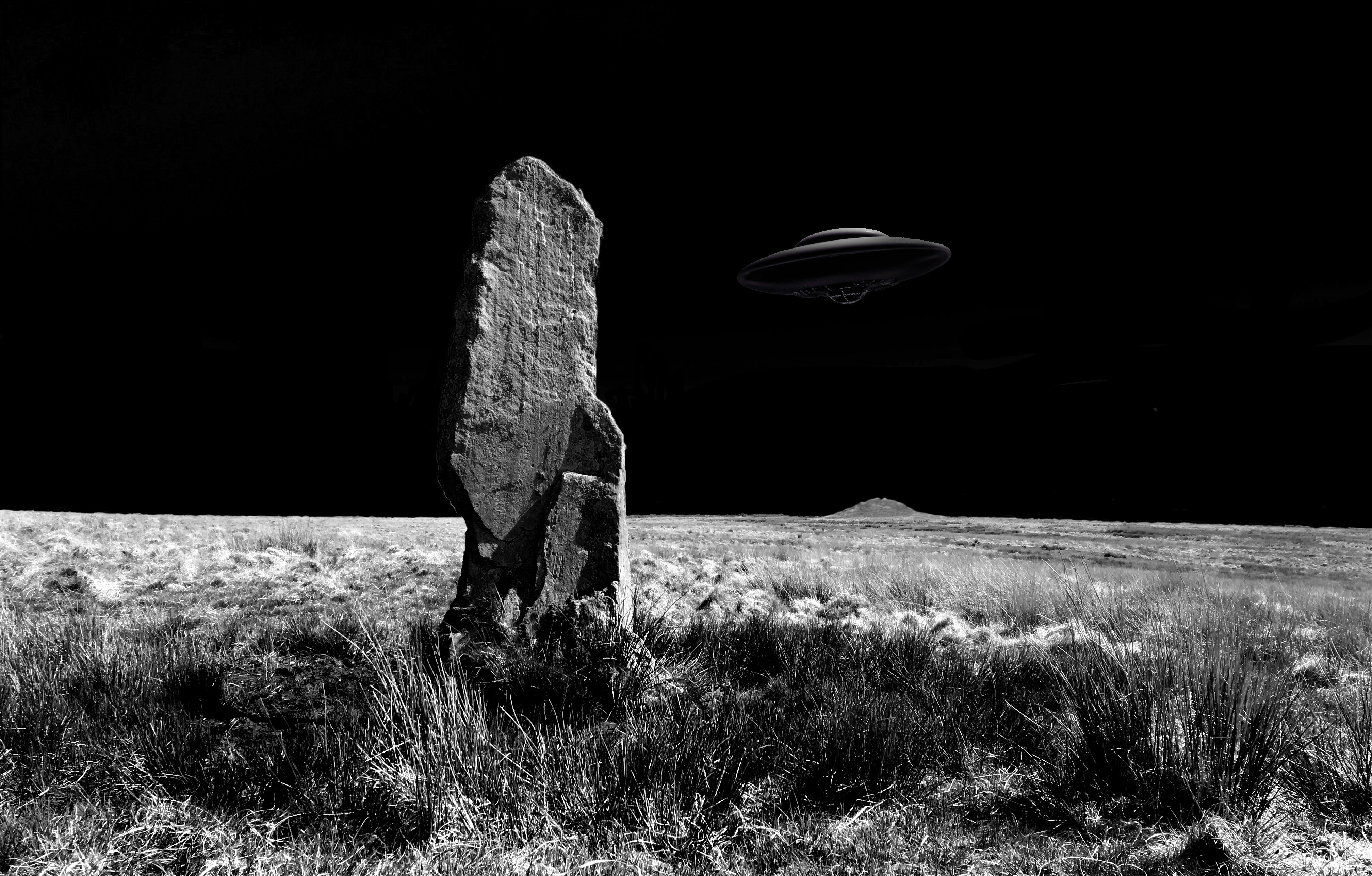 A mysterious place is The High Moor. These images have been photoshopped after a visit to the Chapman Longstone above Challacombe Exmoor, Somerset.
The Chapman Longstone is the tallest prehistoric standing stone on Exmoor. The landscape around the Longstone contains extensive archaeological remains dating from the Neolithic (5000 years ago) until recent times. Aside from the Longstone, the Chapman Barrows, a linear barrow cemetery, demonstrates the significance this landscape had for Exmoor’s Bronze Age people. A group of standing stones known as the quincunx, due to its arrangement of five stones, is also found within this area. Nearby a long enclosure, possibly dating to the Neolithic period, suggests the importance of this area even before the first Bronze Age barrow builders. Occupation of a farmstead at Radworthy, on the Challacombe side of the Chapman Barrows may have begun before the Norman Conquest and continued into the post-medieval period.
Paracombe Village Longstone Landscape website.


On the left the famous West Anstey Longstone and right the Chapman Longstone with the Longstone Barrow on the horizon. This longstone or menhir marks the source of the River Bray.
 Al Brown Artist.