Evening Primrose at Crow.

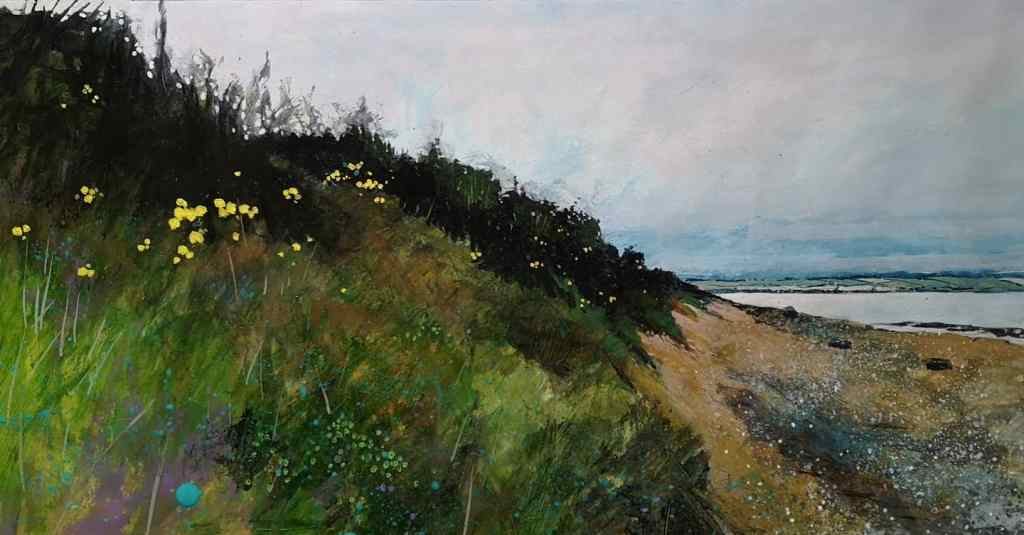
I attended an interesting walk and talk arranged by the Braunton Countryside Centre about the Second World War and the Burrows. I sketched a quick picture of the waterside as I’ve never seen so many Evening Primrose plants in flower. Quite an unusual light this morning quite humid, it reminded me of that Monsoon type light. I was amazed at the amount of Evening Primrose in bloom, the flowers looked even brighter against the dark sky.
This morning there was an enjoyable walk arranged by the Braunton Countryside Center it was about the Burrows and it’s World War Two usage for the D Day Landings. Many Americans were trained here for beach assault the person who lead the walk and talk was by Richard Bass a WW2 Historian from the Assault Training Centre Friends. If you can get onto one of these walks it’s well worth the effort. Al

https://assaulttrainingcenterfriends.co.uk/

Braunton Countryside Centre are on both Facebook and the net!

If you’re not local then leg it!

I was quite taken by this surf sticker infested sign in a lay-by overlooking Saunton Sands Beach. I’ve decided to paint this sign as a challenge and nod to all the people who have had a hand in it’s creation. From these lay-bys you get a magnificent view out over Saunton Sands, the Burrows and all the way to Westward Ho and beyond. I’ve entitled this composition ‘If you’re not local then leg it!‘ In days gone by surfers used to stake claims on local breaks with words such as ‘locals only’ etc. Acrylic on gesso panel 760 x 600mm.

The Culbone Stone.

We spent an enjoyable day visiting the Somerset side of the Exmoor National Park spotting deer and searching out cream tea rooms. We visited Selworthy, it’s Beacon and the Periwinkle Tearooms, then travelled on to the The Horner Tea Gardens for more indulgence. Full of cream and jam we decided to visit the Culbone Stone on our return home.
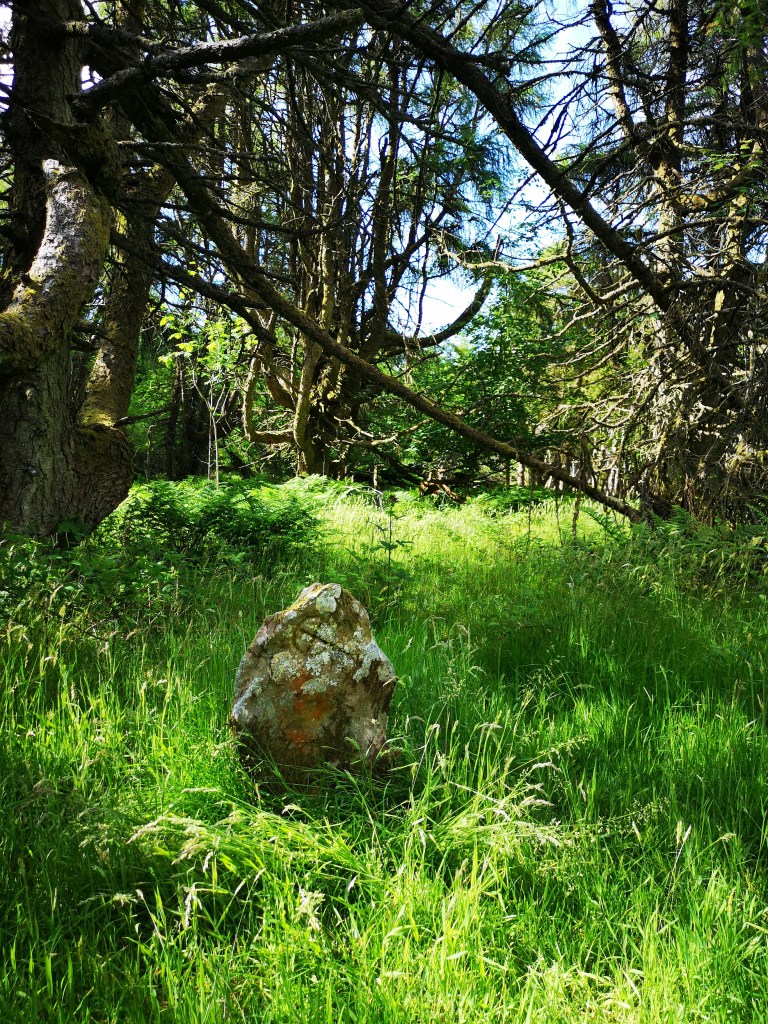
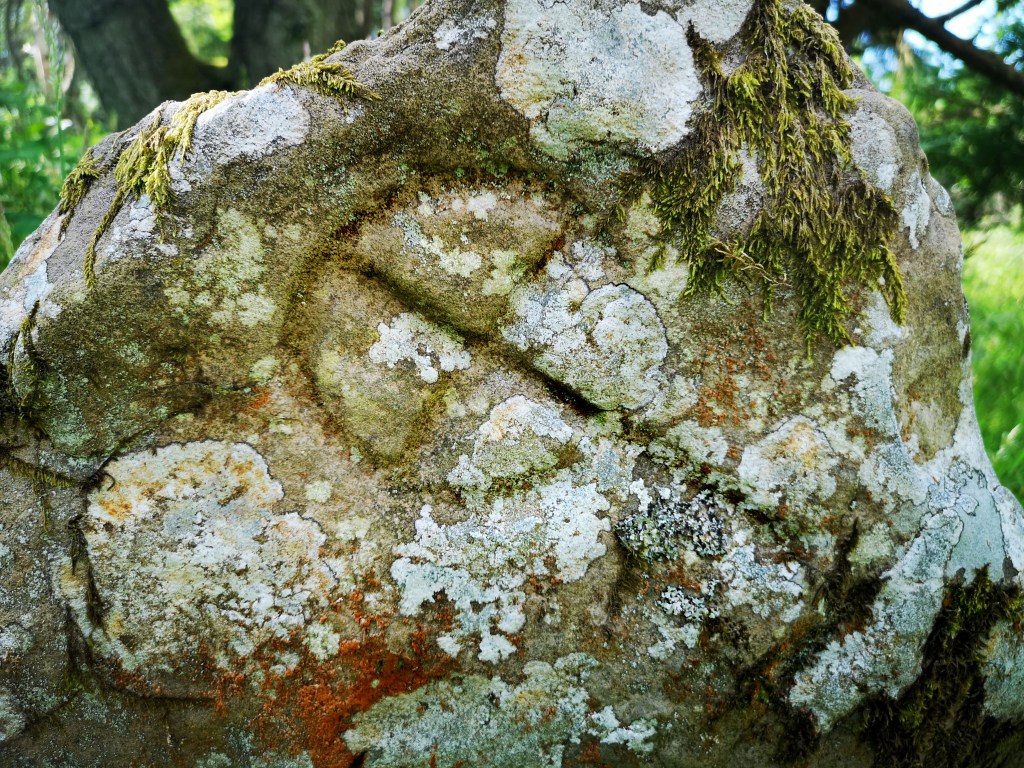
Just off the A39 between Oare and Porlock there is a small junction which leads to a permissive path leading to the Culbone Stone. This mediaeval stone which has a Christian wheeled ring cross carved into it by and early Christian community about 1,200 years ago. It is approximately 3′ high and 20″ wide, and it’s style suggests it dates from perhaps the 6th or 7th century. This stone was discovered on it’s side at about 1939 and then placed upright where it was found, it is thought to be part of a long Neolithic stone row erected 3000 years ago which resides close by in the same wood. The earie wood, it’s ghostly trees and hanging moss suggests magical and mystical properties and has been suggested that St Beuno may have preached there.
We searched for the stone row for some time but sadly gave up stumbling around through brambles, tics and dense bracken. Below the exmoorher.co.uk link gives a much better location for this row.

https://www.exmoor-nationalpark.gov.uk/about-us/press-room/press-room/news-2013/a-chance-to-visit-the-culbone-stone

https://www.exmoorher.co.uk/Monument/MSO7893

The Dripping Well, Anchor Woods.

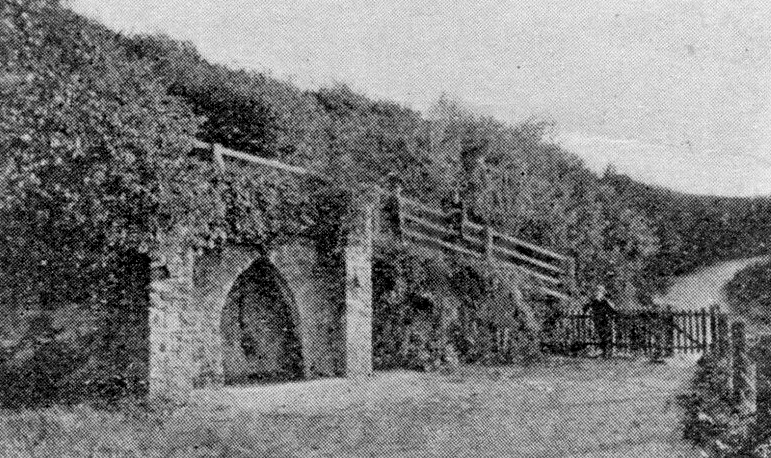
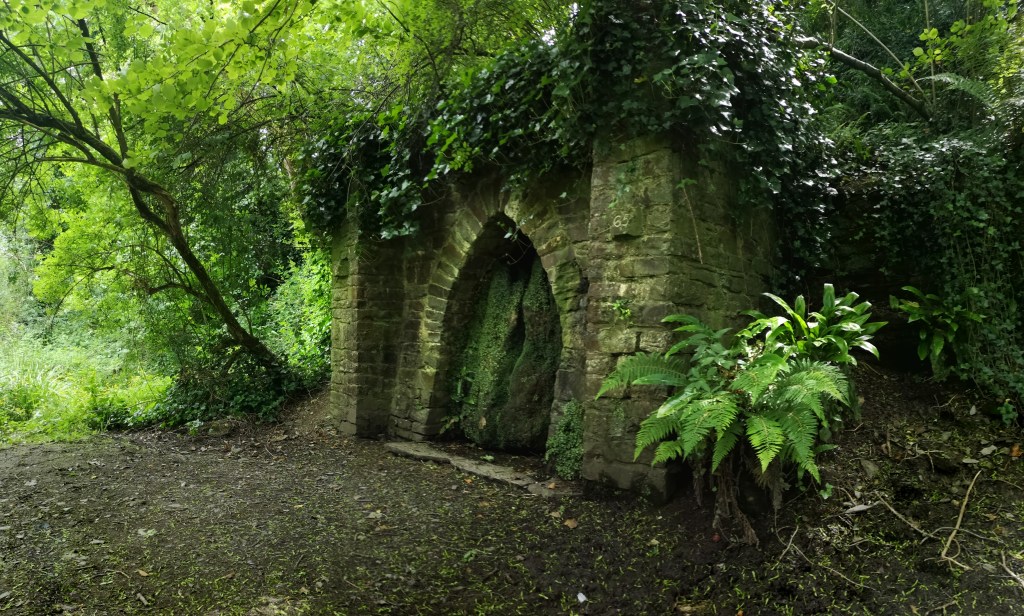
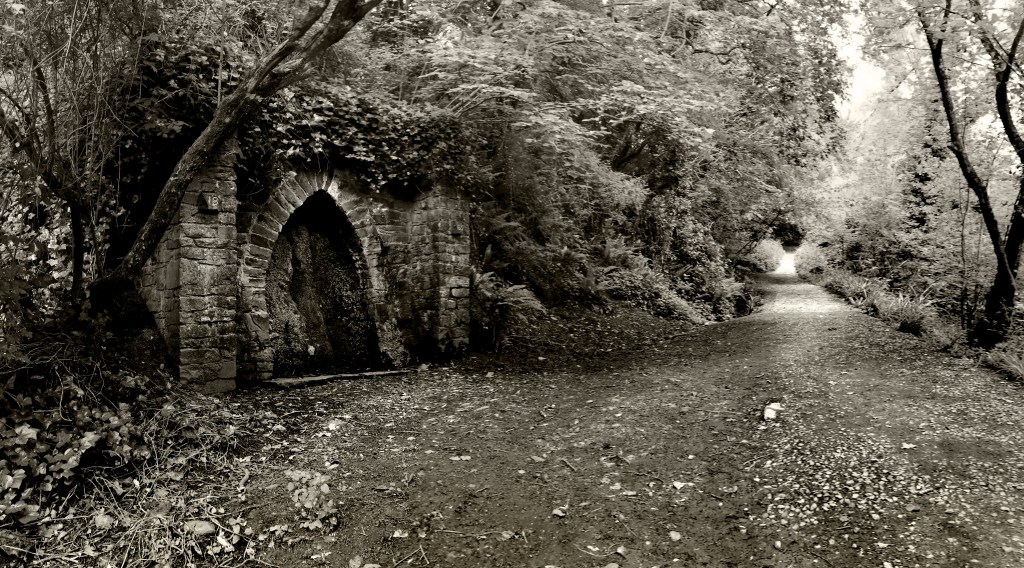
The Wishing Well as we called it as children when we played in Anchor Woods was known in past times as a Holy Well or Sacred Spring. On the wall there are carved stones on the left 18 and the right 65, date 1865. Above the left stone a colony of bees resides. It has been noted that there was at one time another stone engraved BR after Sir Henry Bourchier Wrey (1829-1900) a member of the Devonshire Gentry. As children and even now when passing, if you pick a dock leaf for a folded spout and place it into the sandstone crack of the spring a cool steady flow of water flows. The water’s always tasted very cool and pleasant. Perhaps it should be tested now because of many new houses built at the top of the wood. I will add more to this article once a visit to our local Athenaeum has been made.

https://www.megalithic.co.uk/article.php?sid=47042

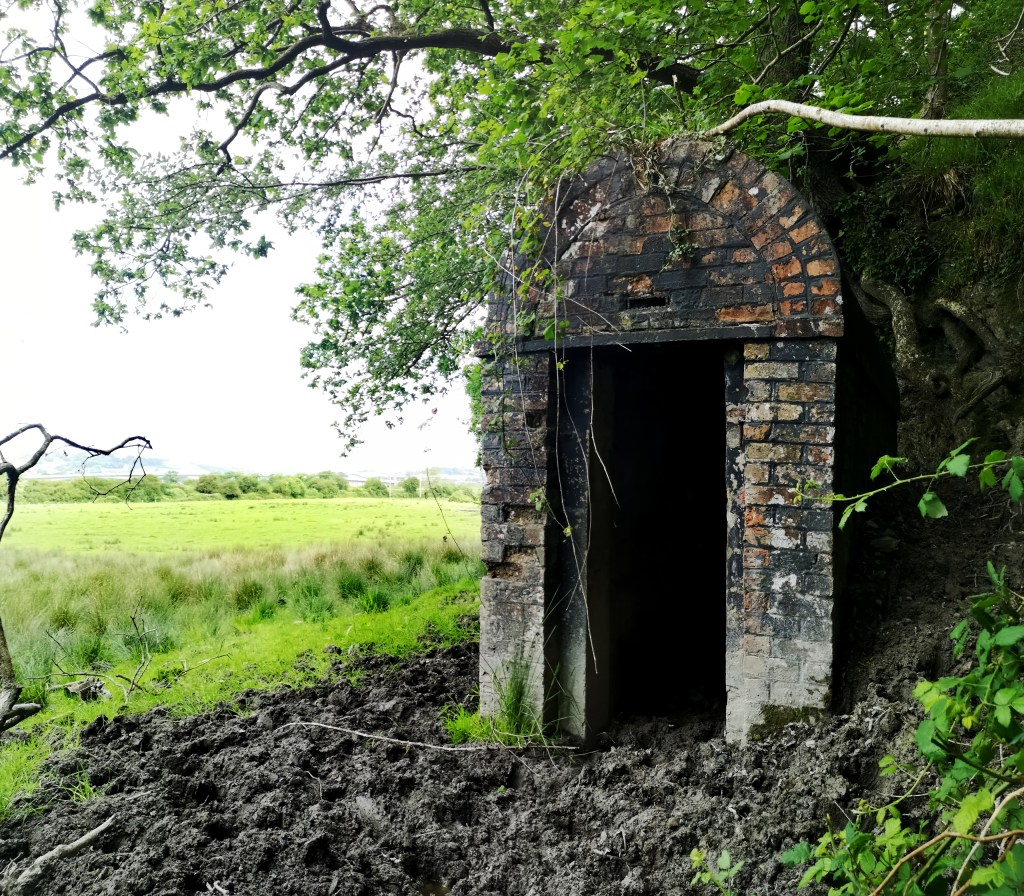
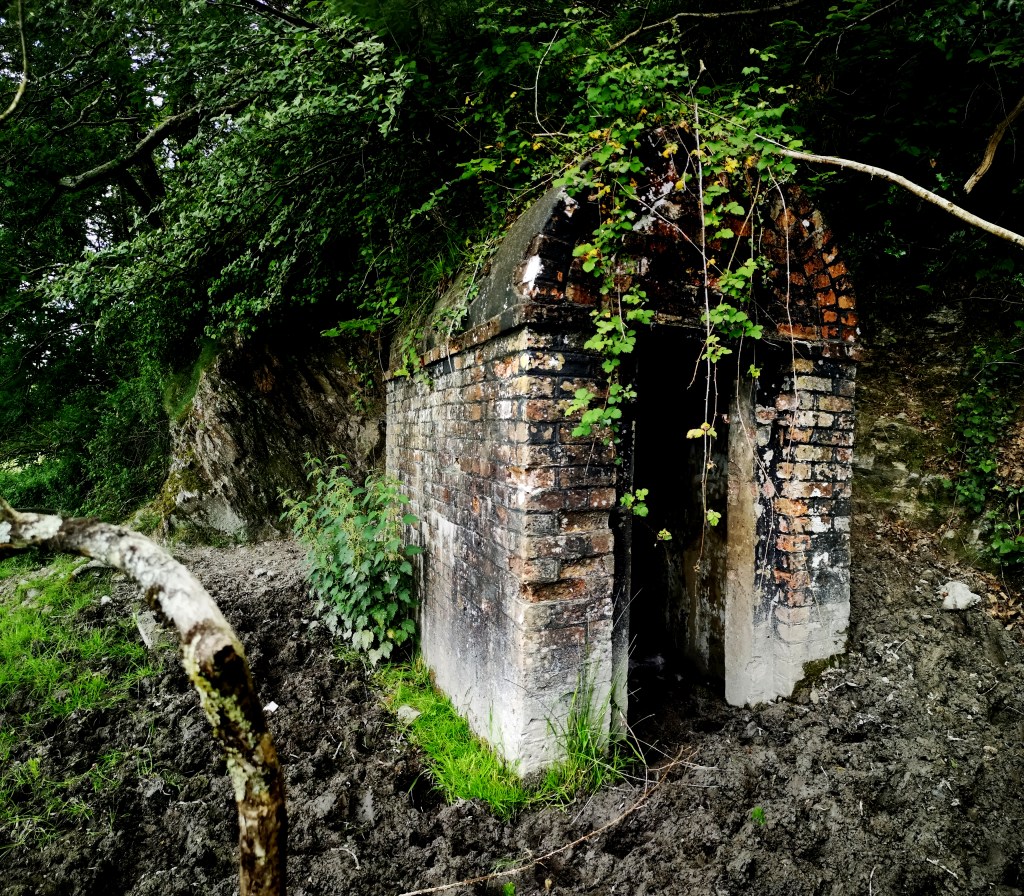
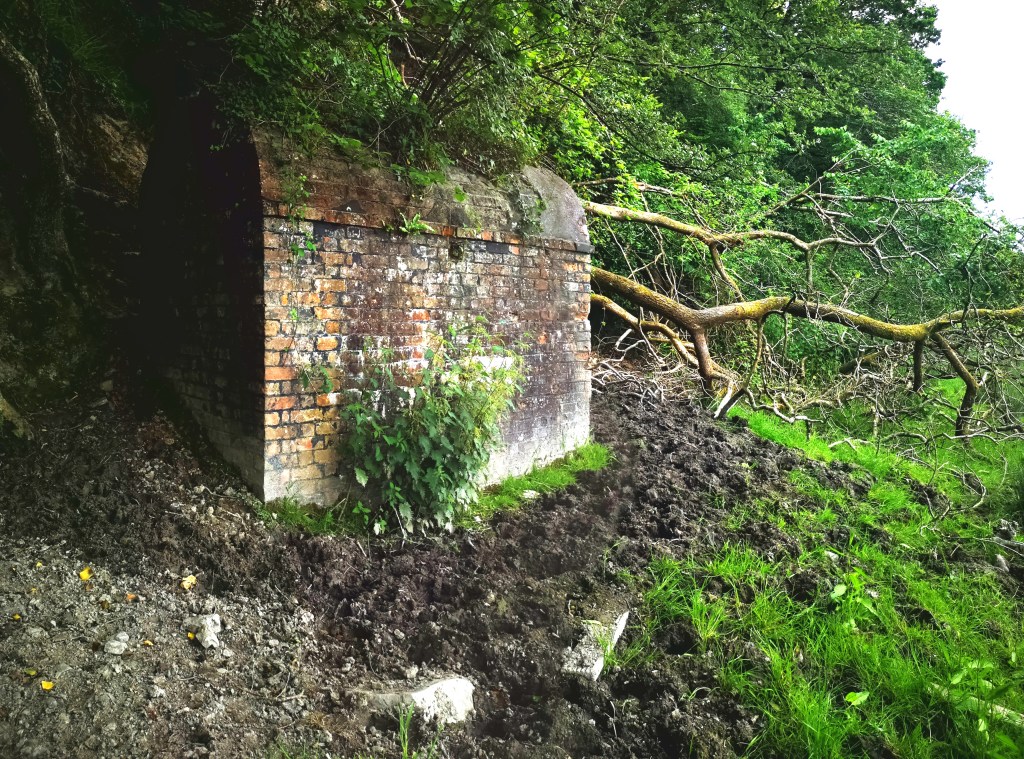
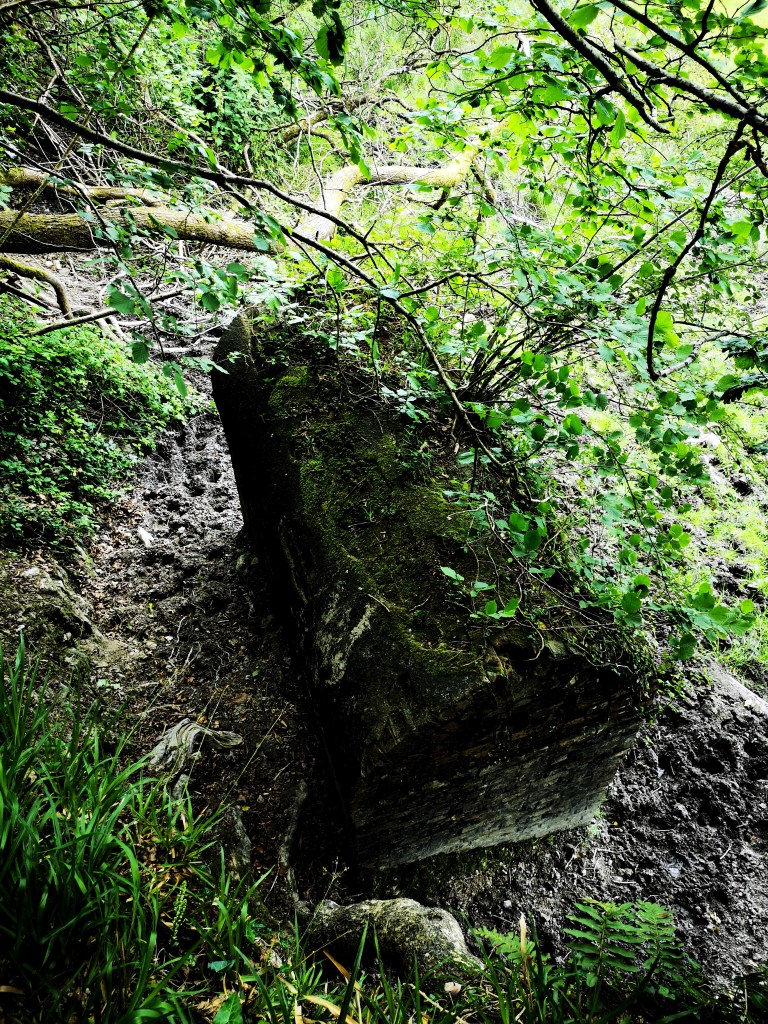
An old ammunition store?

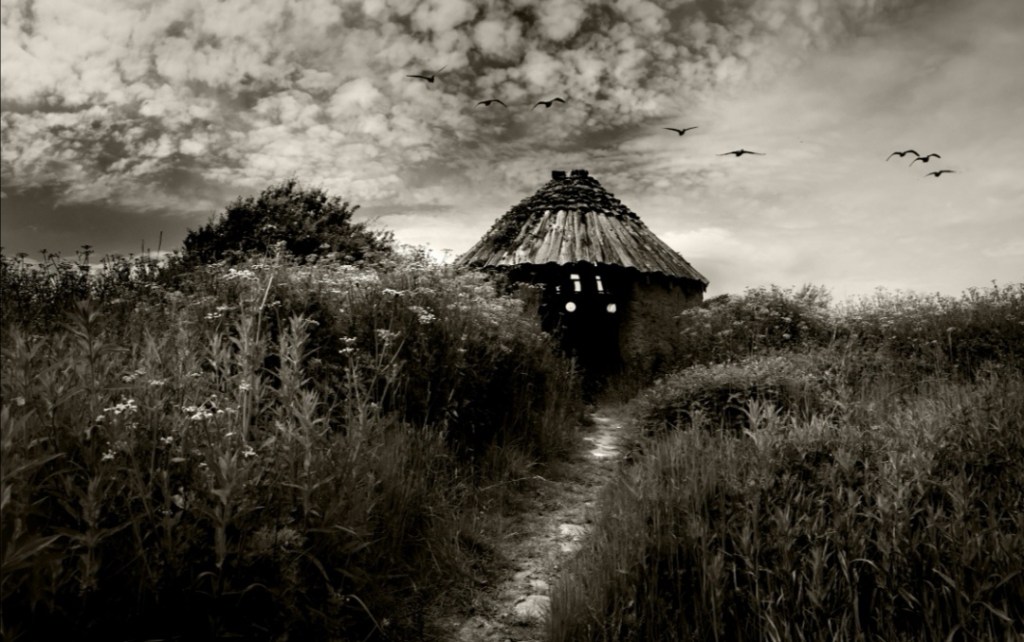
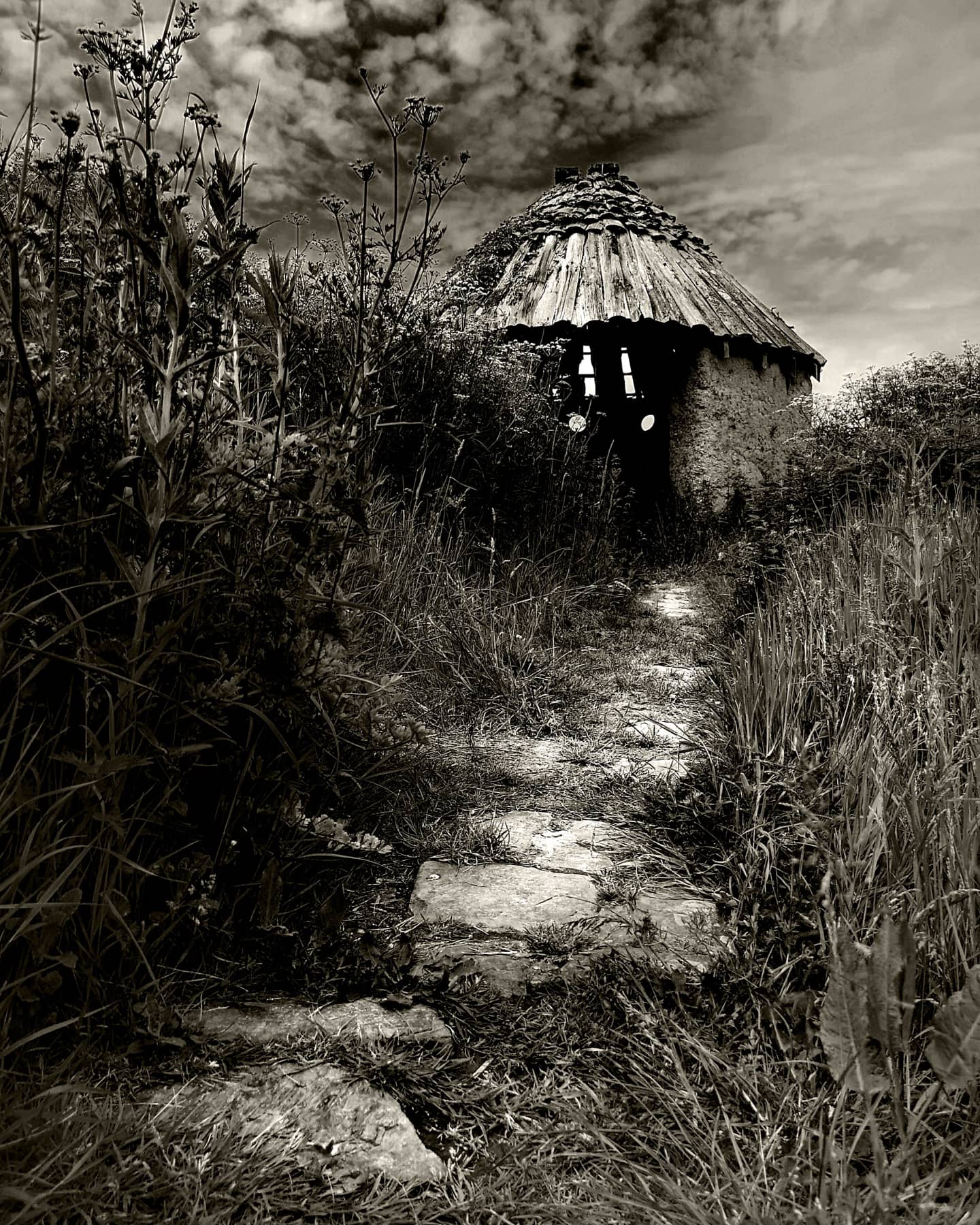
Today on a cycle ride I decided to revisit an old childhood haunt of Anchor Woods and this particular WW2 ammunition store. My late father mentioned in a memory that the field in which this store resides was used as a target range at the time of the second world war and this structure was store. If anyone has any more information about this pla please let me know. Al

From Bideford to Appledore.

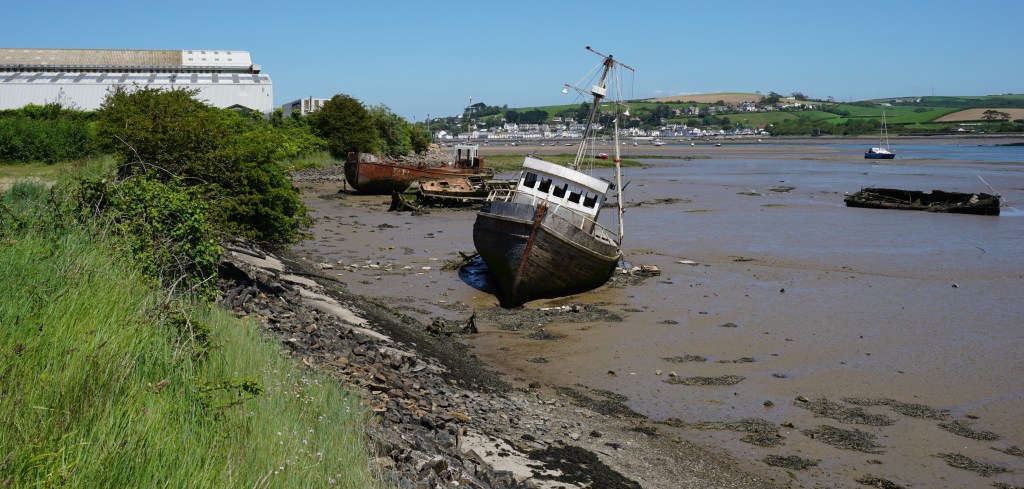
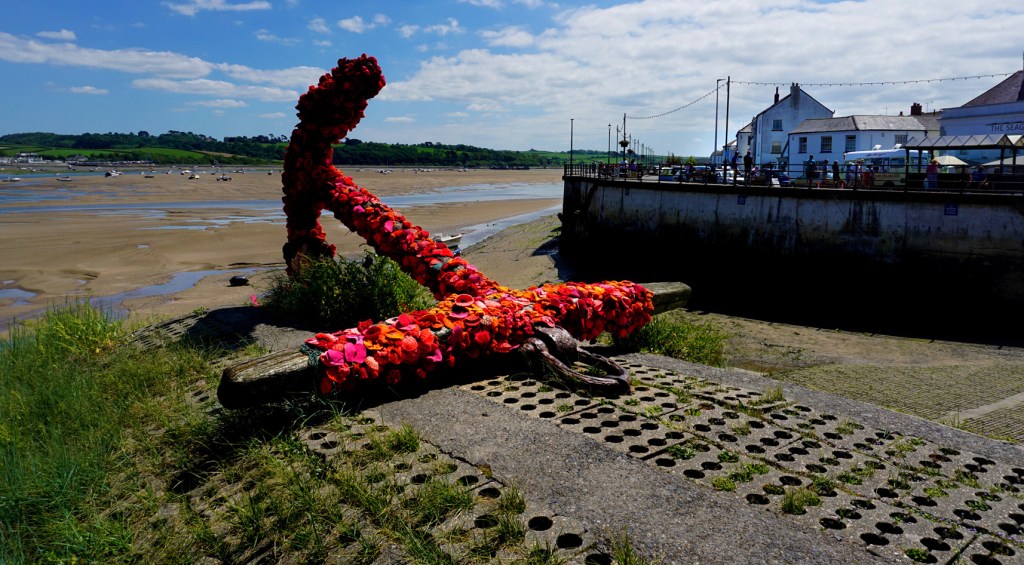
Well it’s a warm sunny day so the three and a three and a half mile walk from Bideford to Appledore was in order. You join the coast path just past the skateboard park at the end of Bideford Park and follow the coast path acorn signs. The path meanders up and down through woods with tantalising glimpses of the River, at one point there are a number of WW2 tank traps to negotiate. It is rather nice to pass the impressive array of private houses and cottages with fabulous gardens and views out over the river. Finally you descend to the waterfront and walk past an impressive boat’s graveyard just beside the large Appledore dry dock now owned by Harland & wolff. You then walk around the dock and follow the road, through cottages and fish markets into Appledore.

In Appledore there are a number of great places to eat but after some deliberation we decided to have some wonderful Hocking’s Ice Creams in chocolate waffle cones and look out across the river towards Instow. Appledore is a hub for local music, arts and sailing and you can spend hours investigating the arty shops in the narrow alleys.

Wet day on the Marsh.

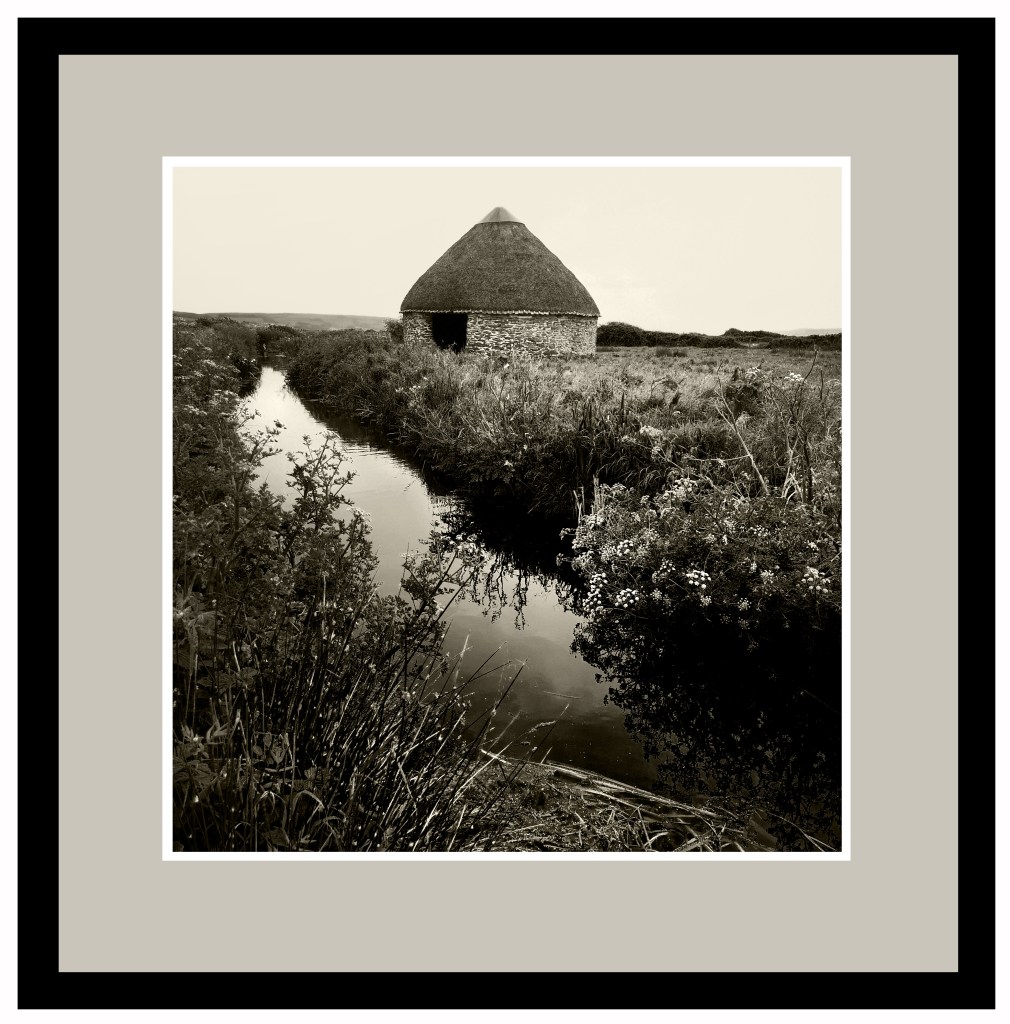
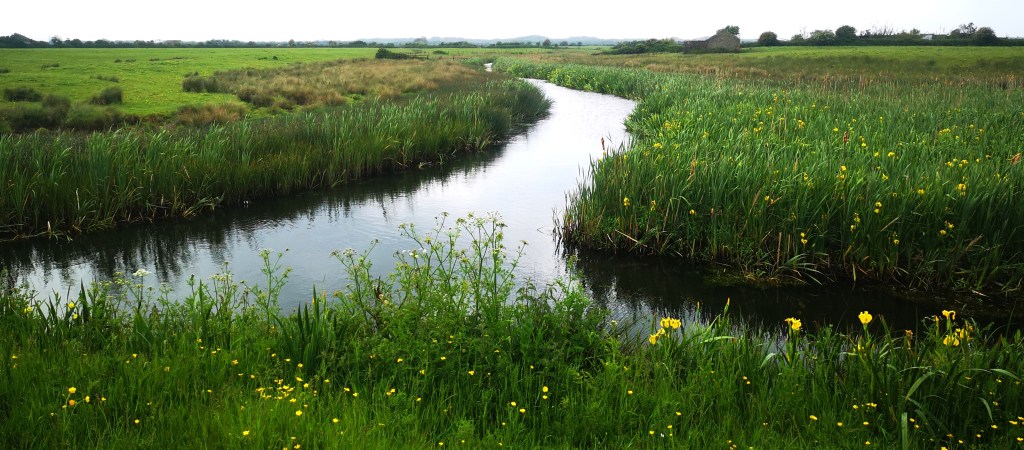
After the warm sunshine over the last week rain was the order of the day.  I decided to make the most of the inclement weather and cycle to the coast hoping that there would be few people around.   There wasn’t to my relief and I had an enjoyable visit to the Braunton Marsh and Crow Point.  The area is often used by the military for manoeuvres as it was  during WW2 and today was not an exception.