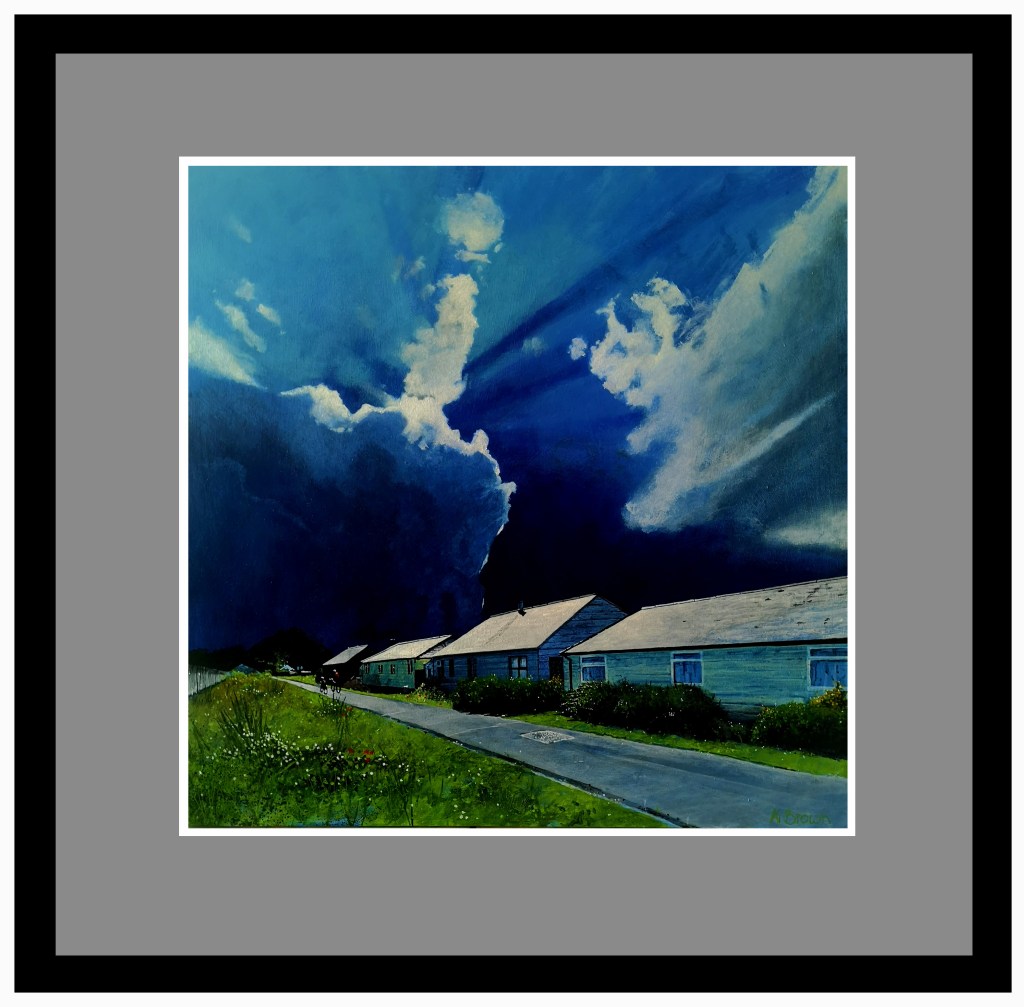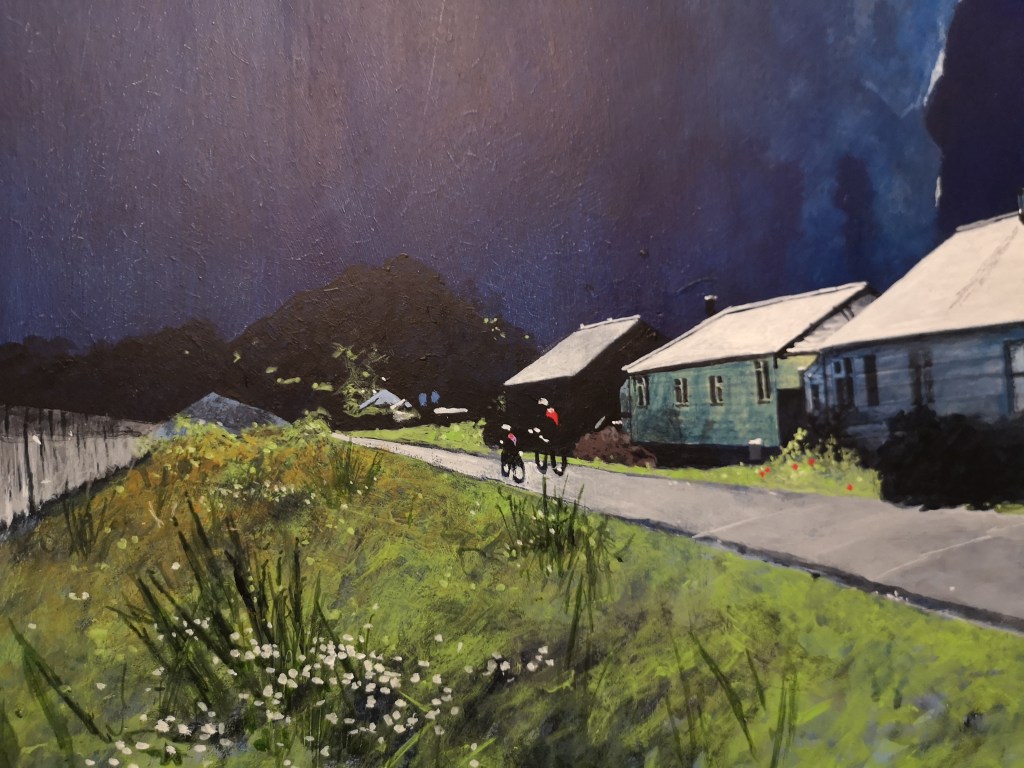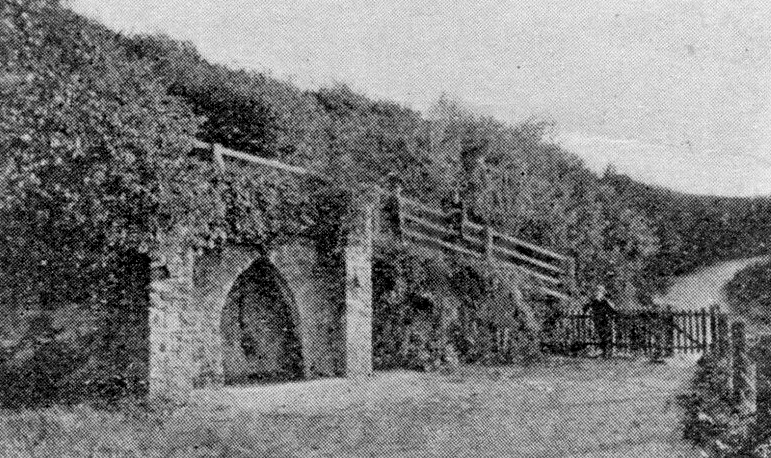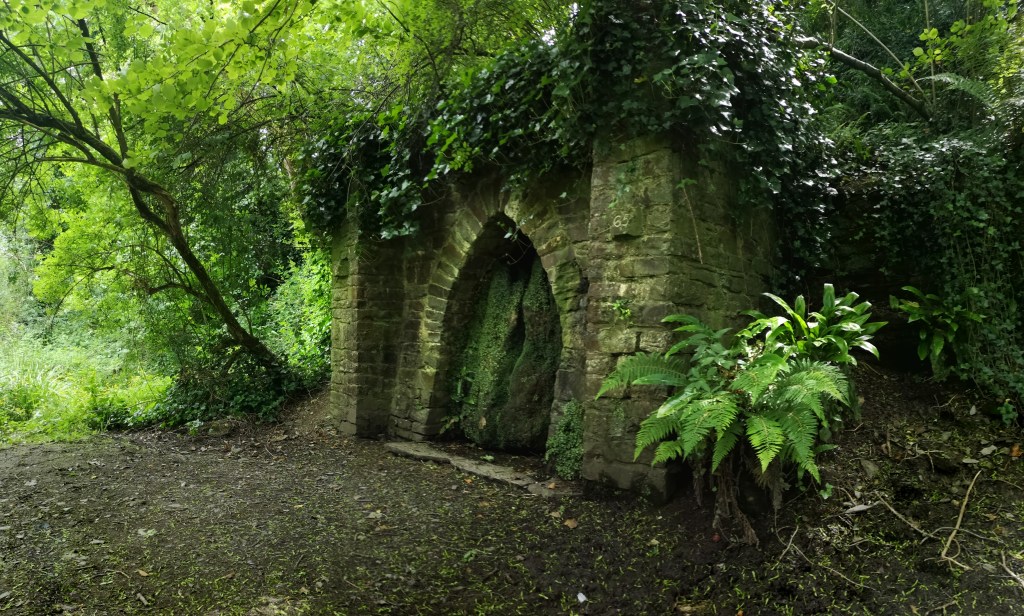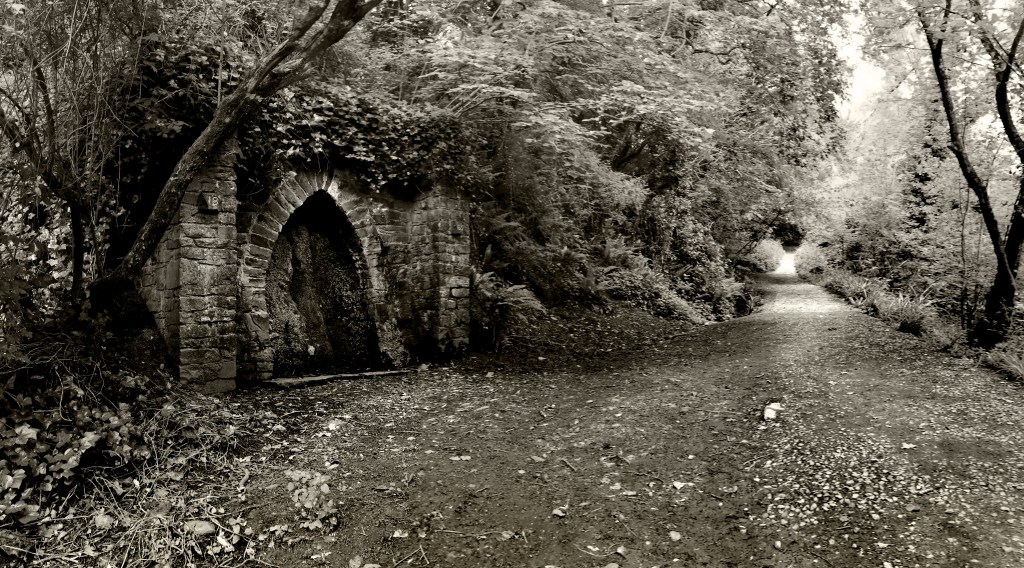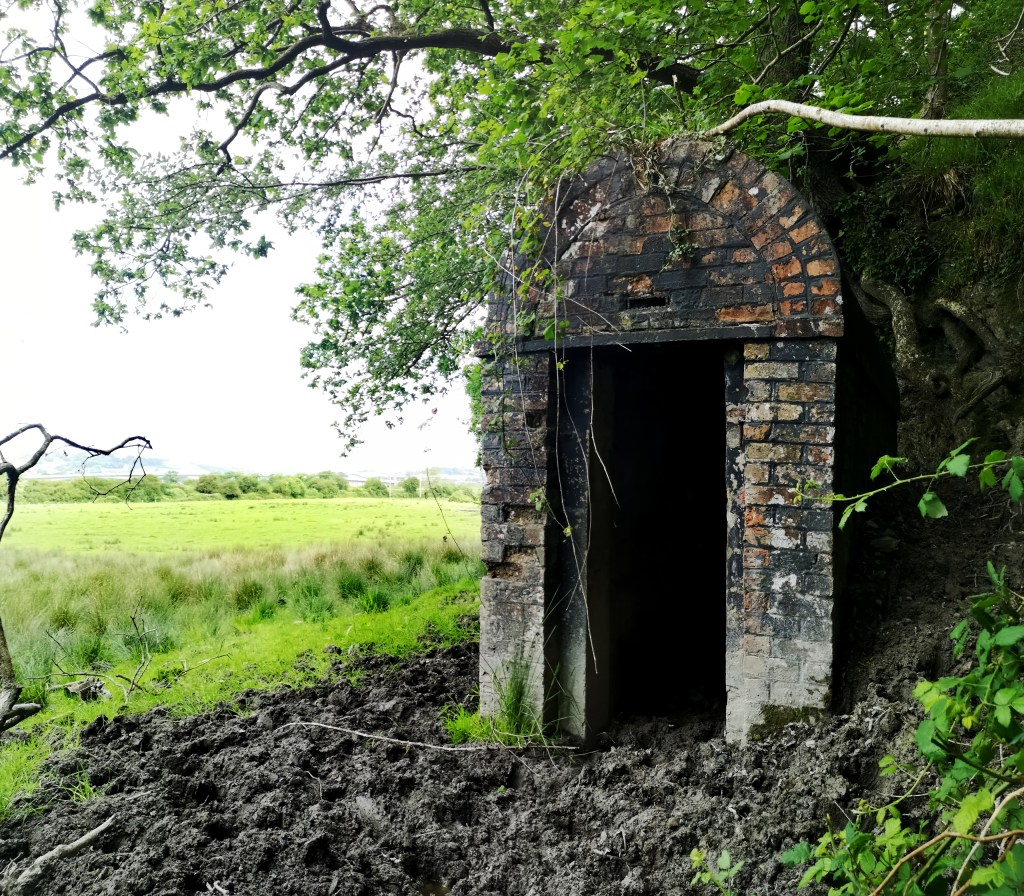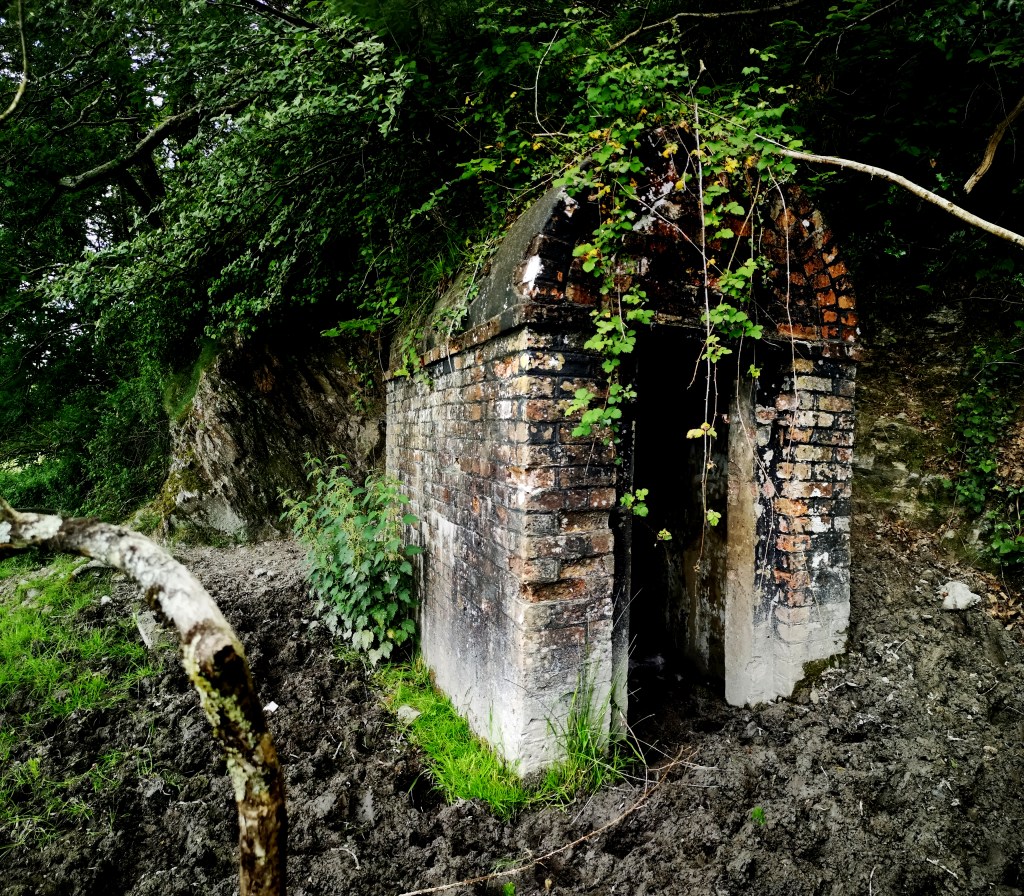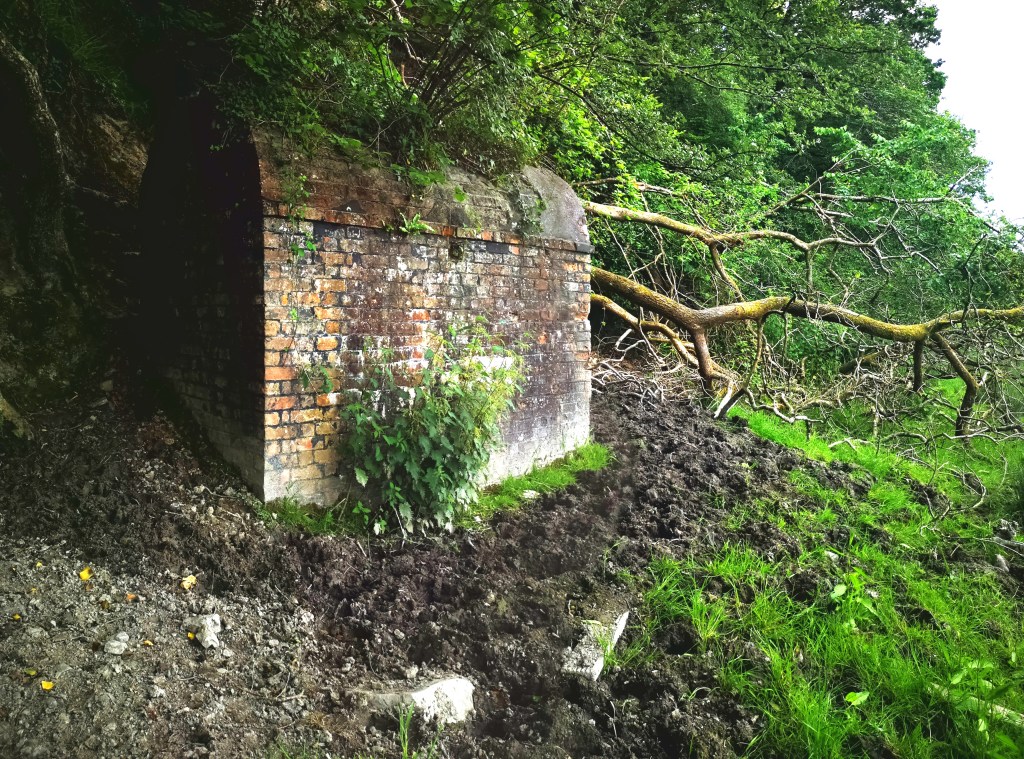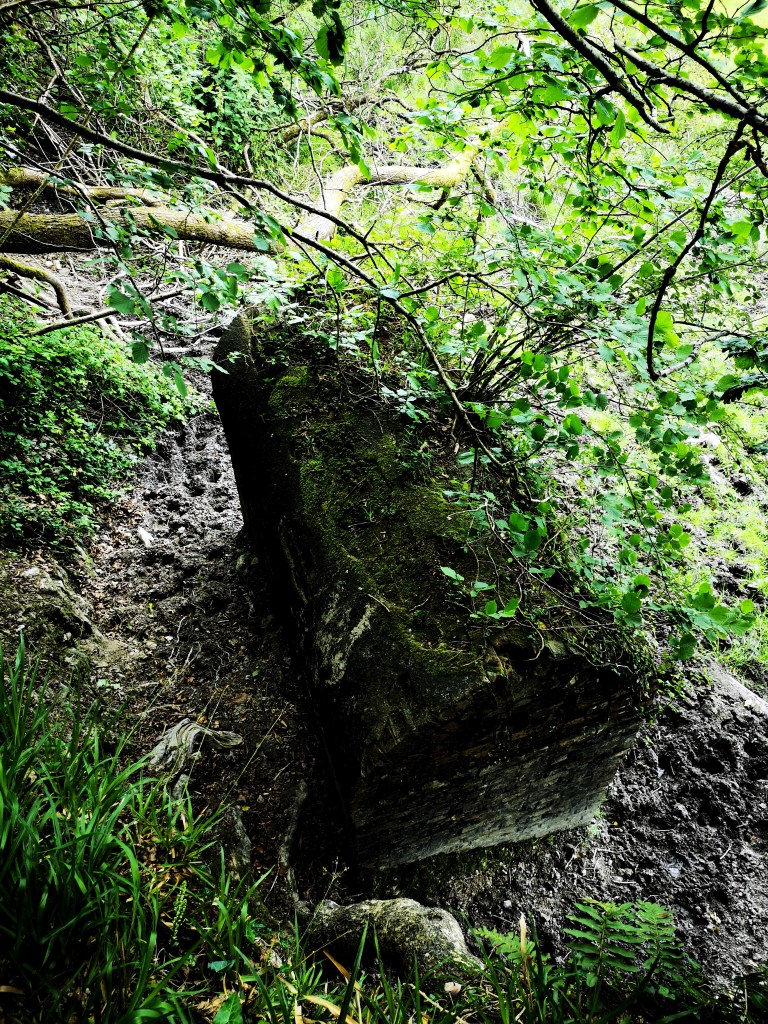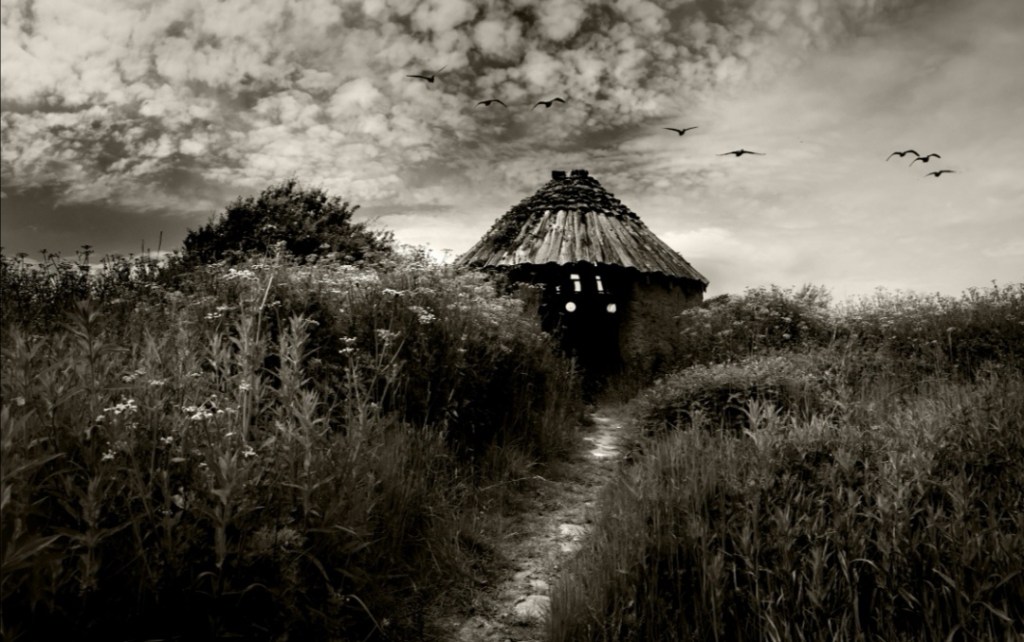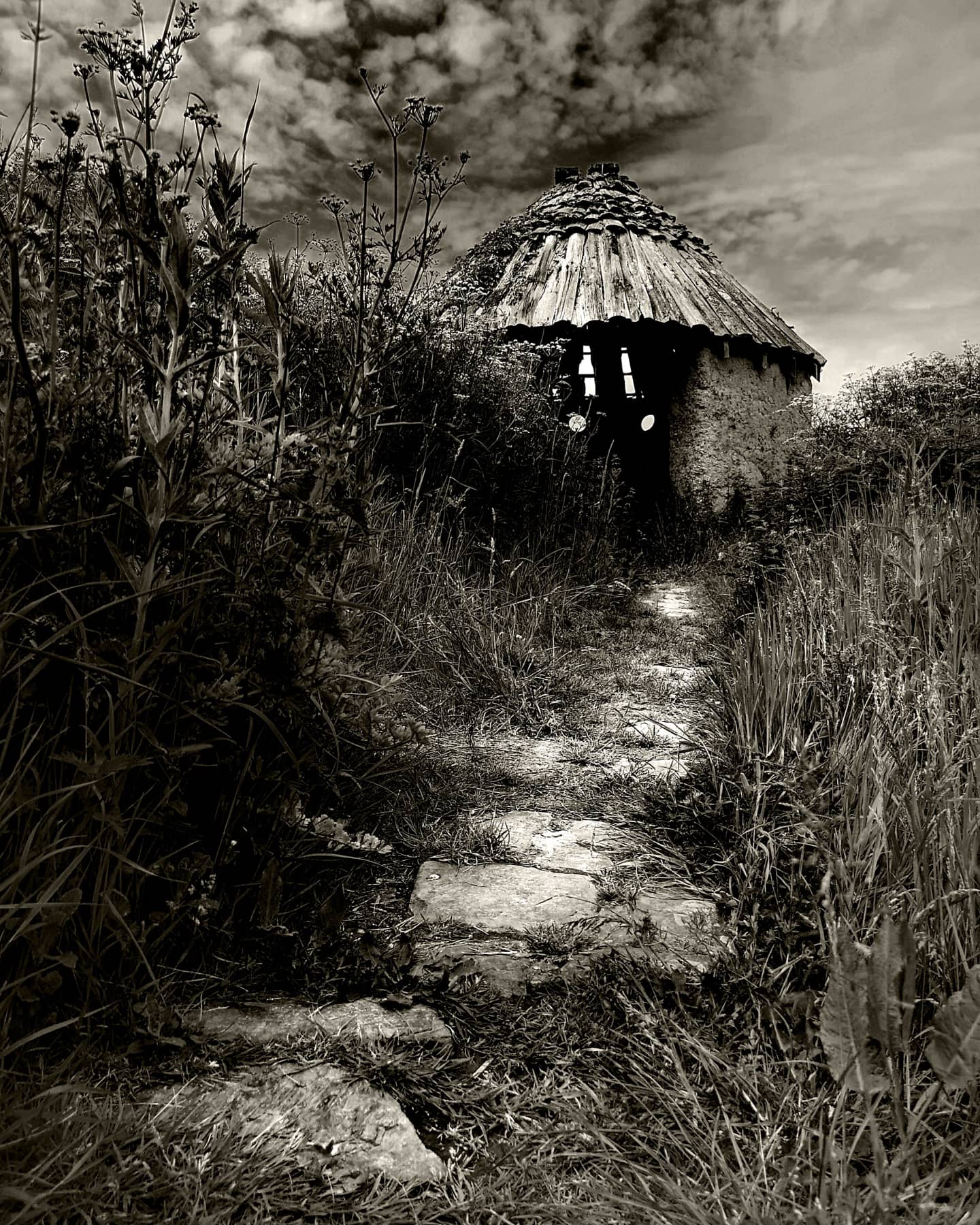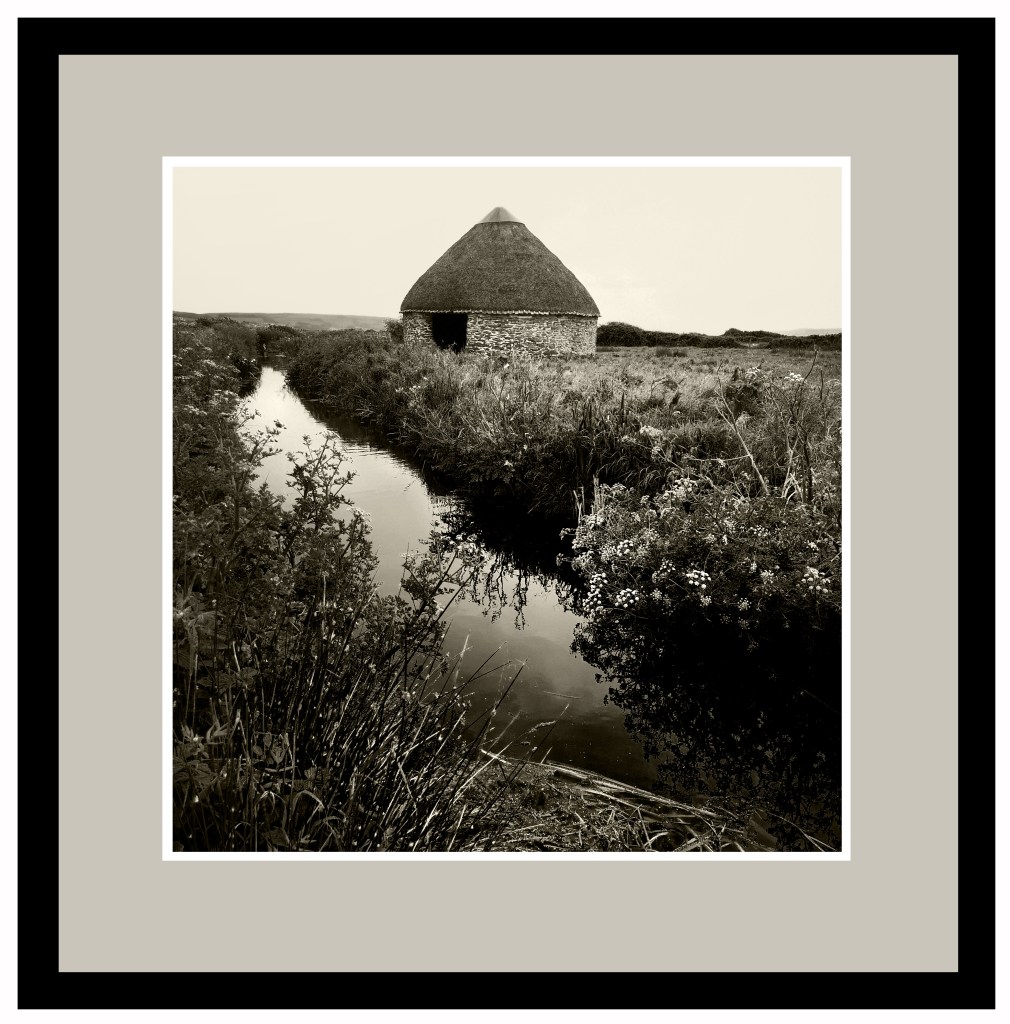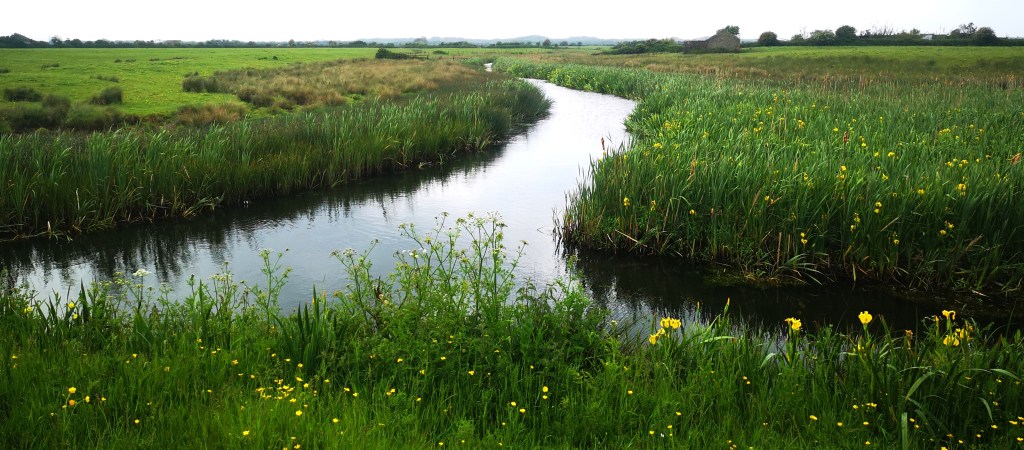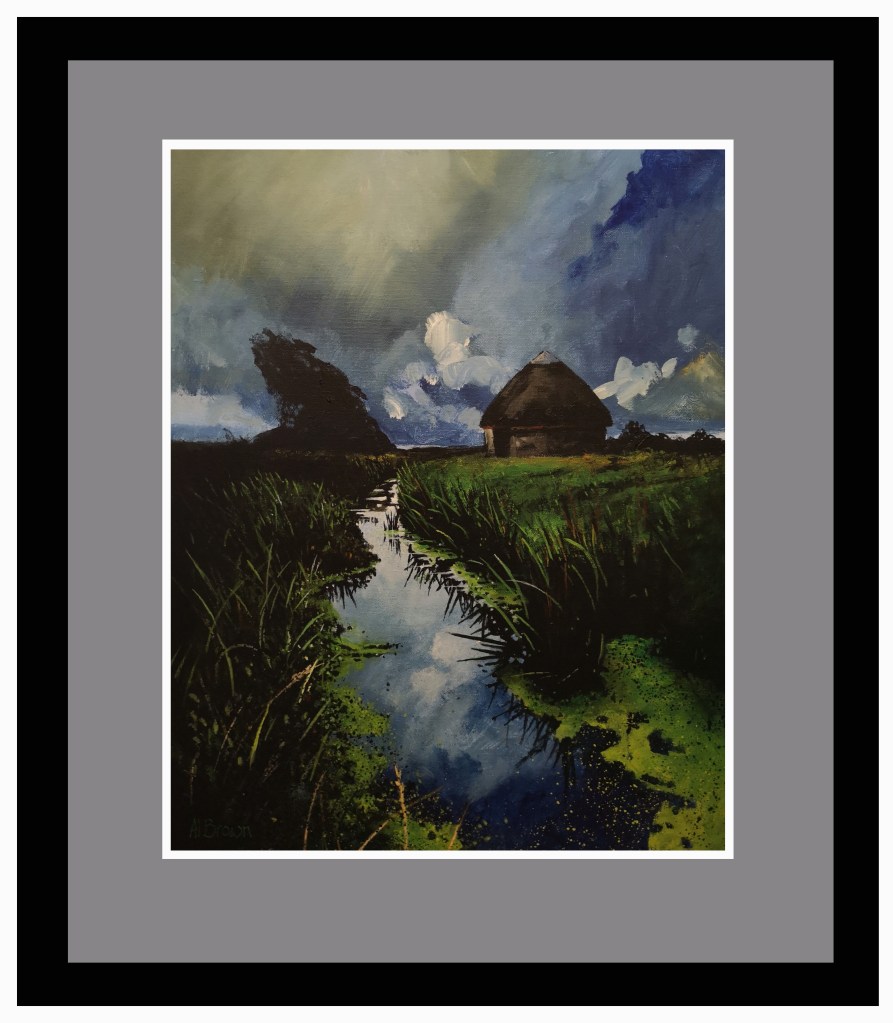
Today on a cycle ride I decided to revisit an old childhood haunt of Anchor Woods and this particular WW2 ammunition store. My late father mentioned in a memory that the field in which this store resides was used as a target range at the time of the second world war and this structure was store. If anyone has any more information about this pla please let me know. Al
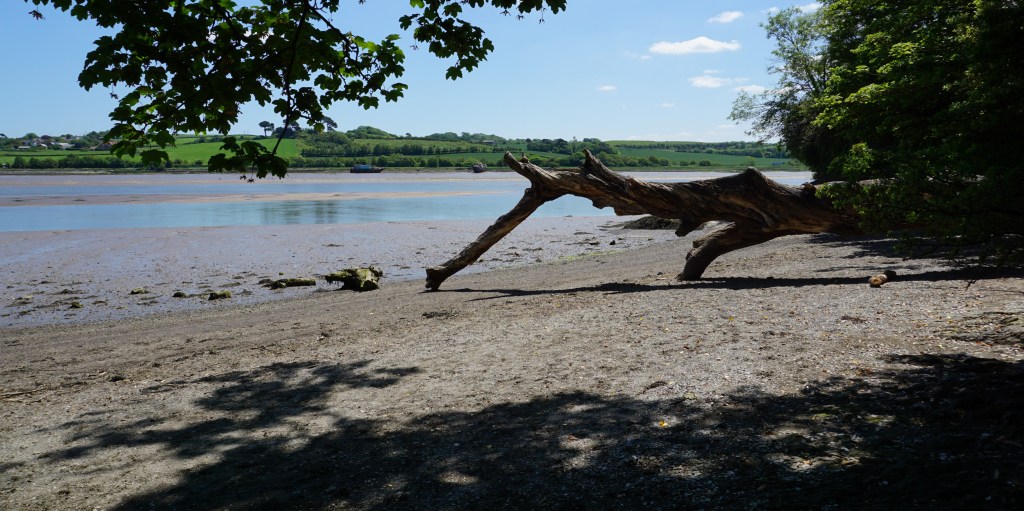
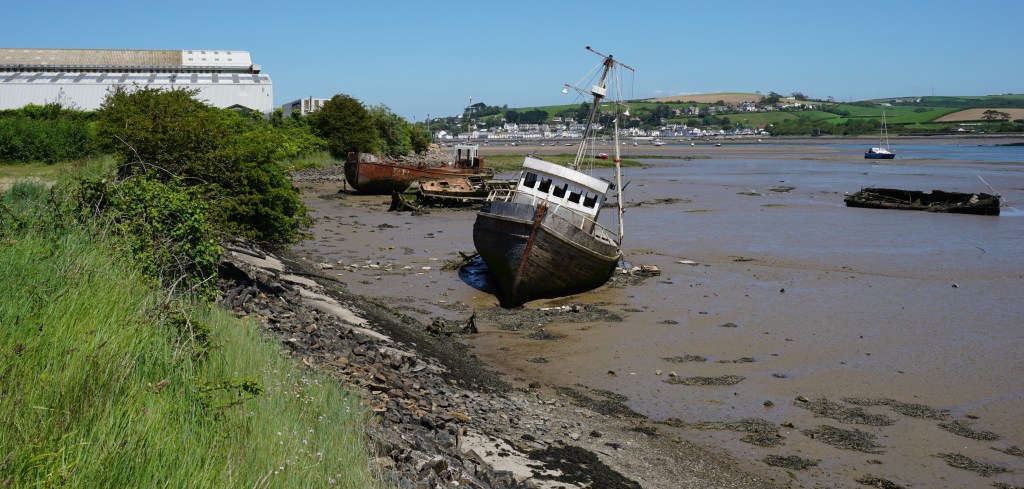
Well it’s a warm sunny day so the three and a three and a half mile walk from Bideford to Appledore was in order. You join the coast path just past the skateboard park at the end of Bideford Park and follow the coast path acorn signs. The path meanders up and down through woods with tantalising glimpses of the River, at one point there are a number of WW2 tank traps to negotiate. It is rather nice to pass the impressive array of private houses and cottages with fabulous gardens and views out over the river. Finally you descend to the waterfront and walk past an impressive boat’s graveyard just beside the large Appledore dry dock now owned by Harland & wolff. You then walk around the dock and follow the road, through cottages and fish markets into Appledore.
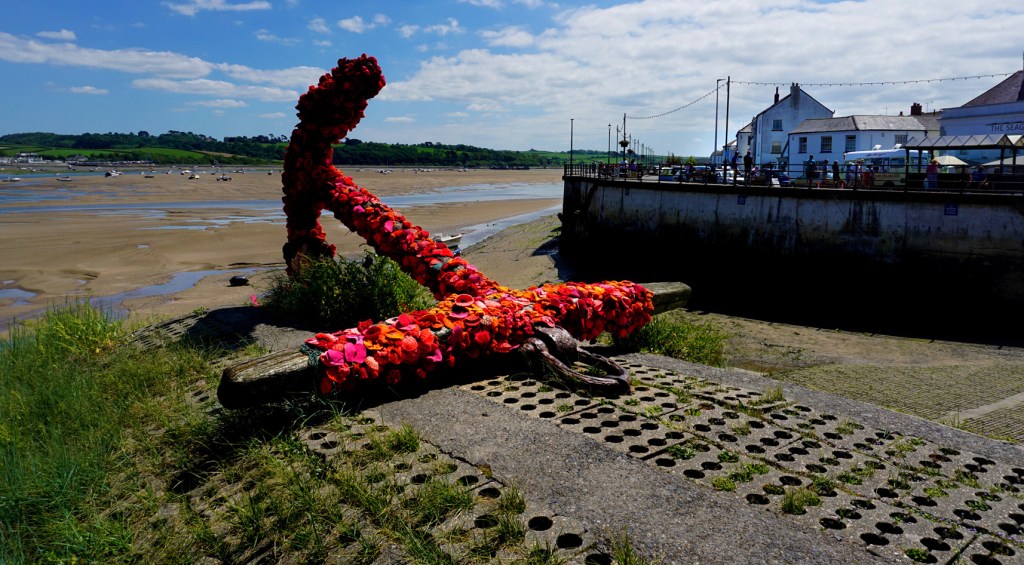
In Appledore there are a number of great places to eat but after some deliberation we decided to have some wonderful Hocking’s Ice Creams in chocolate waffle cones and look out across the river towards Instow. Appledore is a hub for local music, arts and sailing and you can spend hours investigating the arty shops in the narrow alleys.
After the warm sunshine over the last week rain was the order of the day. I decided to make the most of the inclement weather and cycle to the coast hoping that there would be few people around. There wasn’t to my relief and I had an enjoyable visit to the Braunton Marsh and Crow Point. The area is often used by the military for manoeuvres as it was during WW2 and today was not an exception.
We spent an enjoyable day here at Millmouth Beach in North Devon after walking down from the National Trust Carpark at Brownsham. The beach, cottages and surrounding area has been used for the recent film The Guernsey Literary and Potato Peel Pie Society. The sun was warm and the tide on the ebb so after taking a few pictures these are a couple of my photoshop offerings.
Whilst looking through one of my hard drives I came across this image of an old, and rather large watercolour of mine. It is of Wringcliff Beach at the bottom of The Valley Of Rocks in North Devon, painted about 1980. I recall placing this on ebay for sale with no reserve, some lucky person in Lynton picked this up for £10, well you live and learn. Al
A warmish Bank Holiday Sunday so we drove to the carpark just above the Watersmeet Tearooms which are managed by the National Trust. Not too many people here because of Covid so we sat in the sun and each imbibed in a rather nice cream tea. The birds here are quite tame and at times you can hand feed the sparrows and chaffinches. After tea we walked down from the Tearooms to Lynmouth along the Lyn Valley. Finally we arrived at our destination and found a warm spot by the river out of the cold wind to relax in. I must say though that Lynmouth was heaving with tourists. Al ps The first two pictures of the Tearooms were taken a few years ago when Covid hadn’t been invented yet and leaves were on the trees!
A trip out Heywood Forest to visit the Norman Heywood Castle. Built by the Norman in the 11th Century and is an example of a Motte & Bailey Castle. The forest has a wonderful walk through the pine trees ideal for dog walkers. From the main A377 there is a quaint drive through some idyllic country lanes lined with thatch cottages and farms.
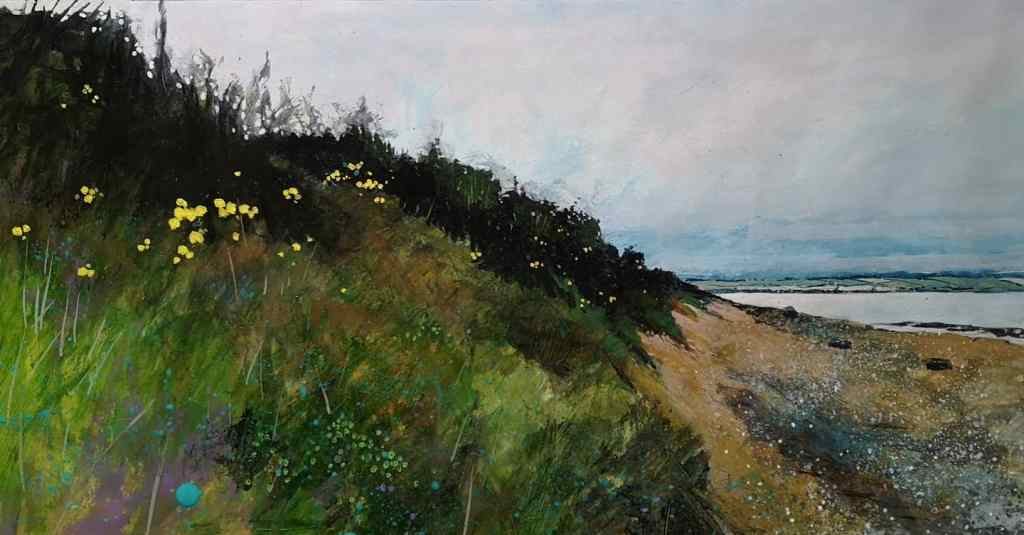
A small acrylic on panel of a section of the South West Coast Path between Heddon’s Mouth and Lee Abbey, 370 x 610mm acrylic on panel. You can see the dot of the Abbey in the distance of this painting in the sunshine. I’ve tried to portray the cool shadows against the warm Spring sunshine and am trying to simplify my brushwork somewhat. We’re looking forward to visiting Hunter’s Inn again when it opens for a few drinks. Al
In search of the elusive Bideford Black Pigment otherwise known as Biddiblack. Running alongside seams of anthracite across North Devon is a black clay-like material that was mined for 200 years in Bideford for its uses as a strong black pigment. The unique ‘Mineral Black’, or ‘Biddiblack’ as it was known, was commercially produced for applications in the boat building industry, for colouring rubber products, for camouflage on tanks in WWII and was even bought by Max Factor for the production of mascara. The mines were closed in 1968 when the production of cheaper oil-based blacks and the depletion of the seam made the operation financially unviable, but many locals still remember the ‘Paint Mines’ and have tales to tell of using the paint or going into the now defunct mine shafts. Today it’s revered by artists who love it’s inky black non reflective properties. It first has to be dried, ground and then mixed with a medium such as PVA or Gum Arabic. Looking forward to making my own now and seeing what images I can produce. AL.