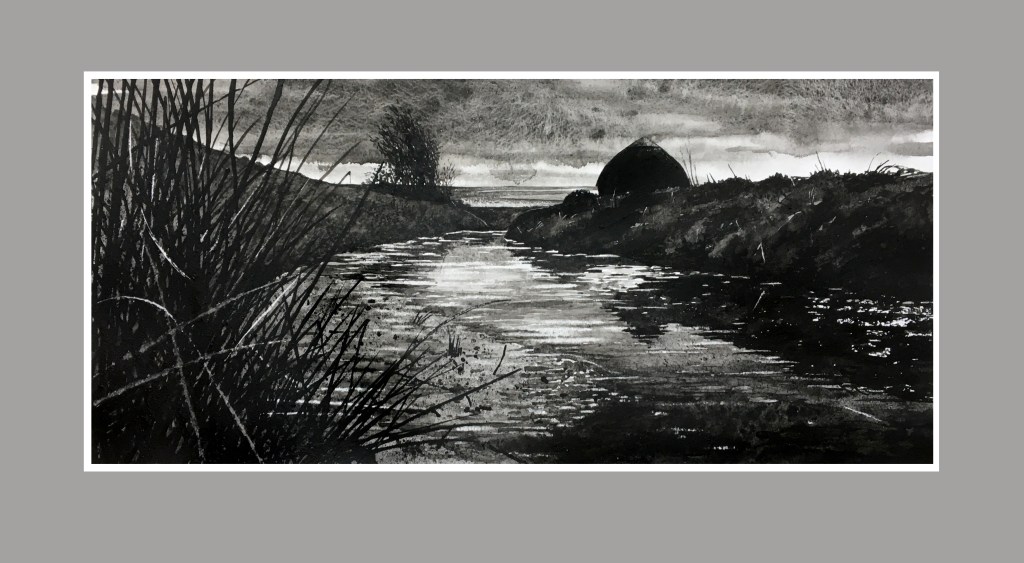
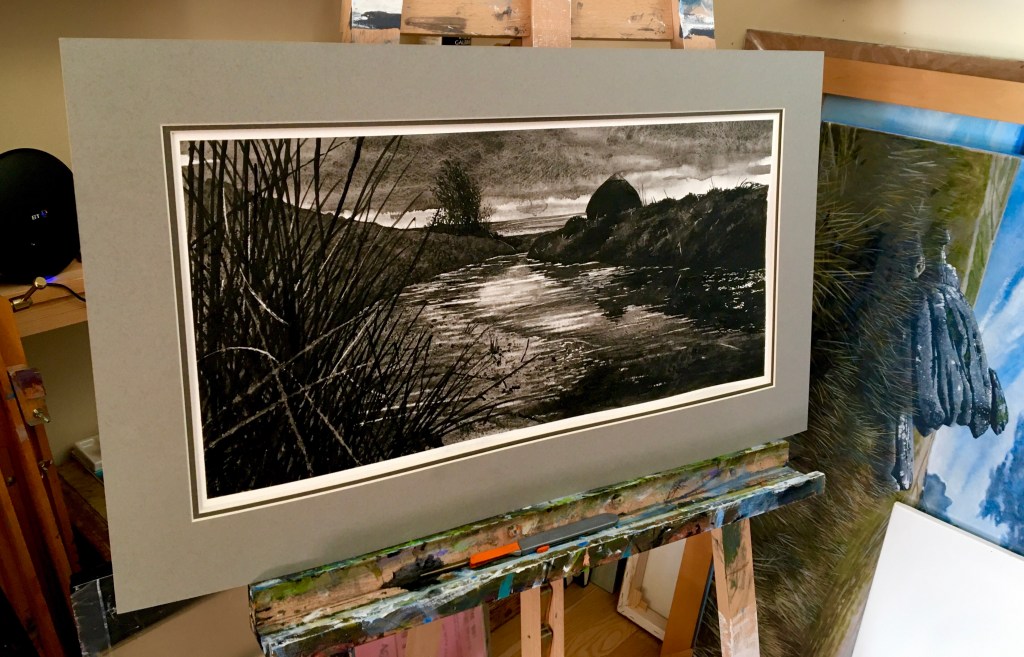
Bideford Black pigment on 250lb Bockingford Paper. After a warm cycle ride around the Marsh in Braunton I’ve decided to paint this Linhay yet again. Stormy sky and an even more stormy time for everyone regarding the present Covid conditions. I thought the dark foreboding nature of this paint and subject to be quite apt! Al
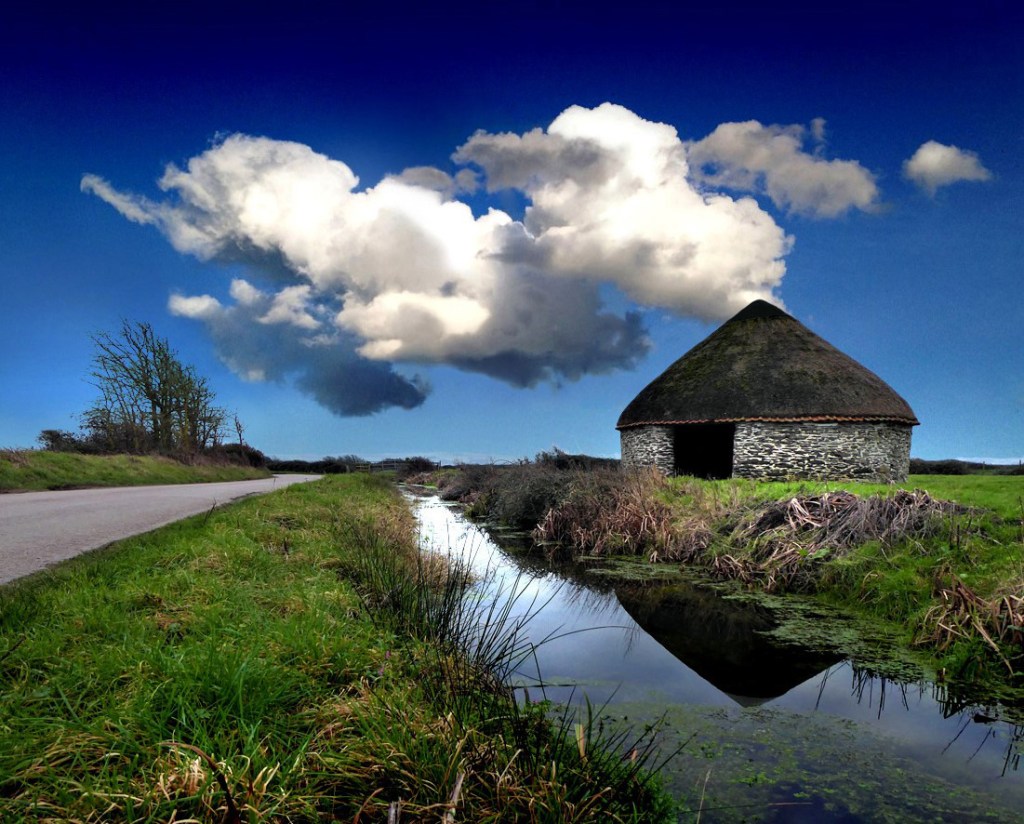
Perhaps my next large scale acrylic? Photograph taken on my iPhone in January 2019 with a photoshopped sky. Love photoshop which allows me to experiment with compositions, tones and colours. I then take these onto the canvas and alter them to fit the media technique. Al https://www.albrownartist.com/post/linhay-on-the-marsh-1
From the tollroad to the carpark then on to Crow Point along the boardwalk. Here you can see the old ruined lighthouse and some WW2 concrete creations. It was here that the D Day landings were rehearsed and secret weapons perfected. Even today the odd ordinance sometimes reveals themselves after high tides!
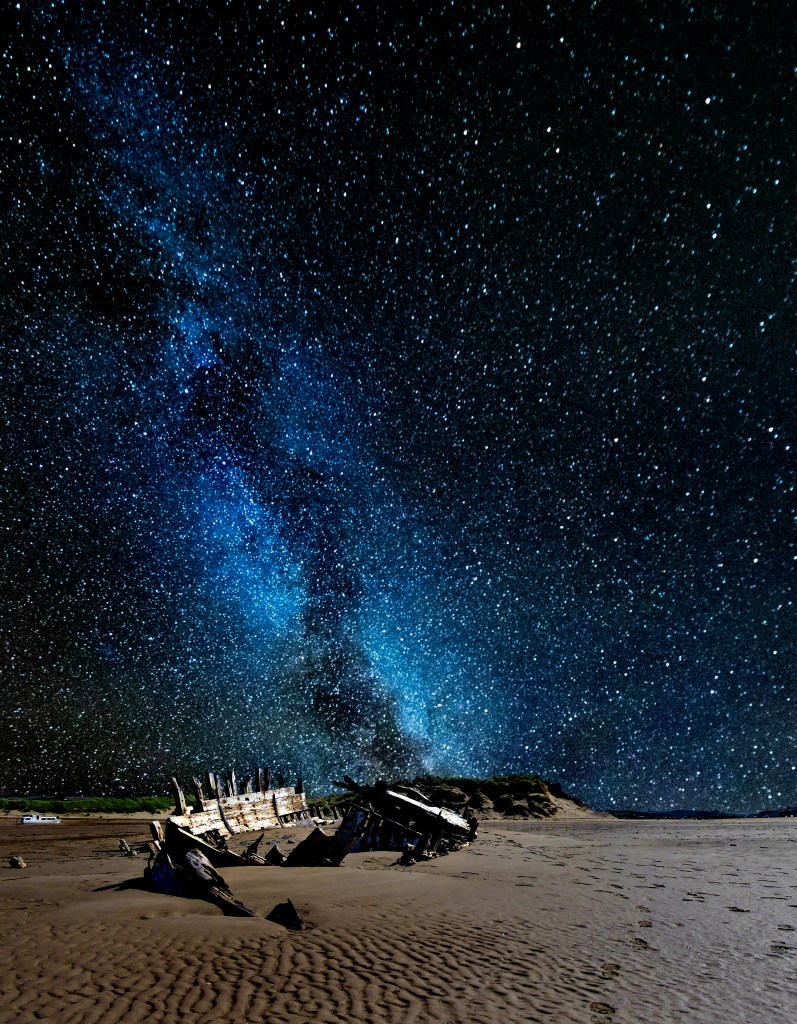
The old wreck of the Sea Mack at Crow Point in North Devon. Slowly over the years it’s been gradually falling to bits with each push of the tide. I’ve been trying to find earlier pictures and infomation regarding this boat so if anyone can help please contact me! Al
This is my version inspired by Buckham’s work of Spitfires over the US Assault Training Centre concrete landing craft on Braunton Burrows. These concrete structures, were laid during the World War 2 by the Americans when practising for the D Day Landings on Omaha and Utah by 146th Eng, Co C, 1st Platoon. Al
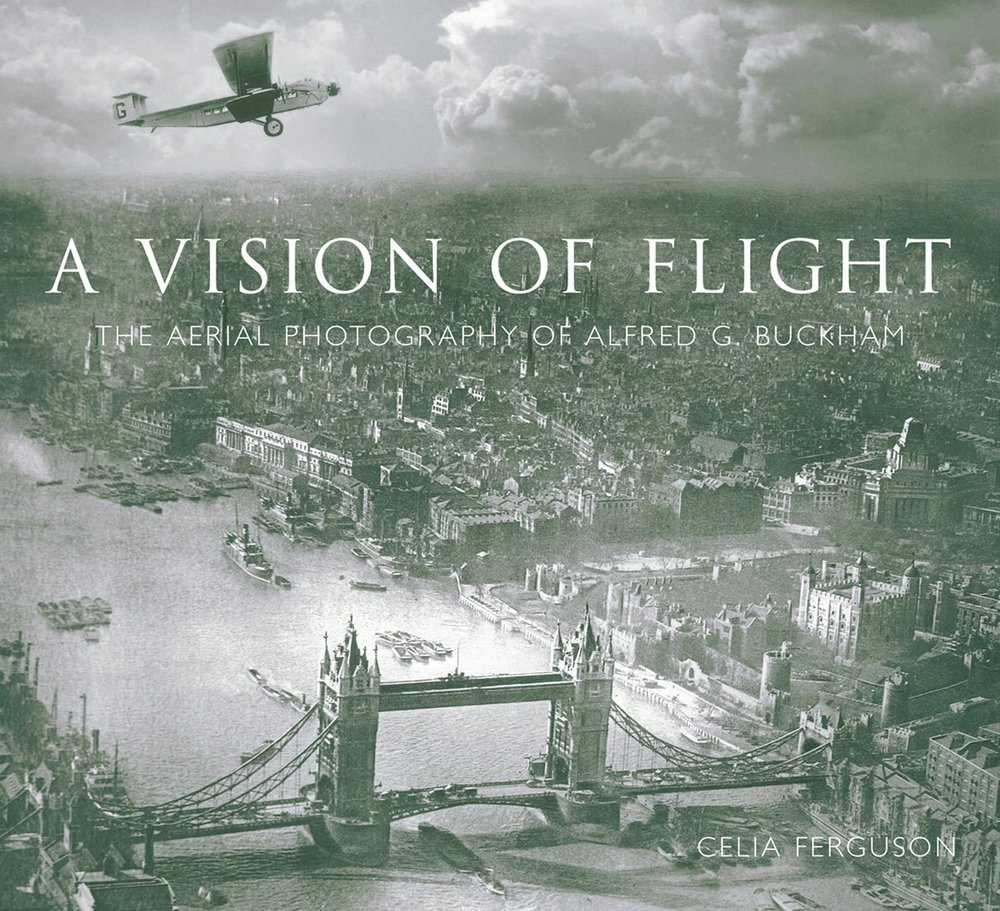
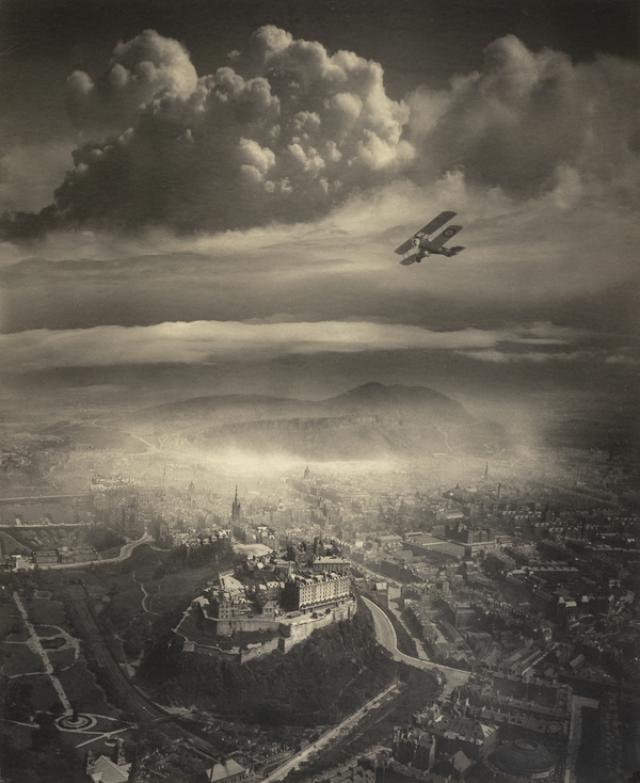
I’ve been looking recently at the old 1920s aerial photographs by Alfred G. Buckham. I loved looking at his pictures in old faded books when I was a child and marvelled at their imagination and camera angles, I later understood that they were actually skilful photo-montages. Alfred was born in London on 6 November 1879. He began his career in photography in 1905 and joined the RAF as a reconnaissance photographer in 1917. He became the first head of aerial reconnaissance for the Royal Navy, in the First World War and later a captain in the Royal Naval Air Service. Buckham was involved in 9 crashes, 8 of which saw him relatively unscathed. After the ninth, however, he had to have a tracheotomy and breathed through a small pipe in his neck for the rest of his life. Despite this, he carried on his aerial photography career, often in very perilous conditions. He felt the best shots were made standing up, writing “If one’s right leg is tied to the seat with a scarf or a piece of rope, it is possible to work in perfect security”.
Another Bideford Black painting 610 x 350mm on Bockingford paper. This was from an idea by Adrian Beasley Imaging who suggested copying one of his landscape photographs for an upcoming joint exhibition at a local venue. We are both exhibiting black & white landscapes and a comparisonal piece will be interesting. Just a few minor adjustments in the cold light of day but this is it. See you on North Devon Art Trek. Al
The original AB photographic image above and my afternoon’s work beneath. I’ve taped the outside so that when removed it gives a kind of photographic edge to my painting. Al
Finished acrylic of Hut On The Burrows 405mm x 510mm). Another painting of the hut on Braunton Burrows North Devon. Just love this place and have spent recent hours watching the sticklebacks playing in the stream, which is called the boundary drain. Still liking the cow parsley! The last picture shows another picture of the same hut I painted during the winter wit early morning dew and ice on the water.
The linhays are another interesting feature of the Marshes. They were constructed as shelters for numerous cattle and almost all of them appear to have been built by the time of the 1842 tithe map. No two barns are the same, although most are of square or rectangular shape. Some have become dilapidated but around 30 still stand today. The one which attracts the most attention is the round linhay, a grade II listed building on the edge of the inner marsh road, which has been thatched and provides endless photographic opportunities. This excerpt is by Rowland Dibble on the Explore Braunton Website which is well worth a visit.
A quick study of the Tarka Trail near Chivenor in North Devon England. Painted using my own sourced and prepared Bideford Black pigment. Loved the dark shadow and highlighted cow parsley on the left of the trail. Still trying to free up my paintwork. Al
From a photograph taken on a cold Autumn cycle ride along the Tarka Trail in North Devon. This renovated cattle shed is on the Braunton Burrows nr Crow Point. I’ve attempted to catch the afternoon’s dew left over from the morning and the partially frozen stream. I’ve also left my camera’s light refraction in the painting. For me it was the water that drew me to this image! Al


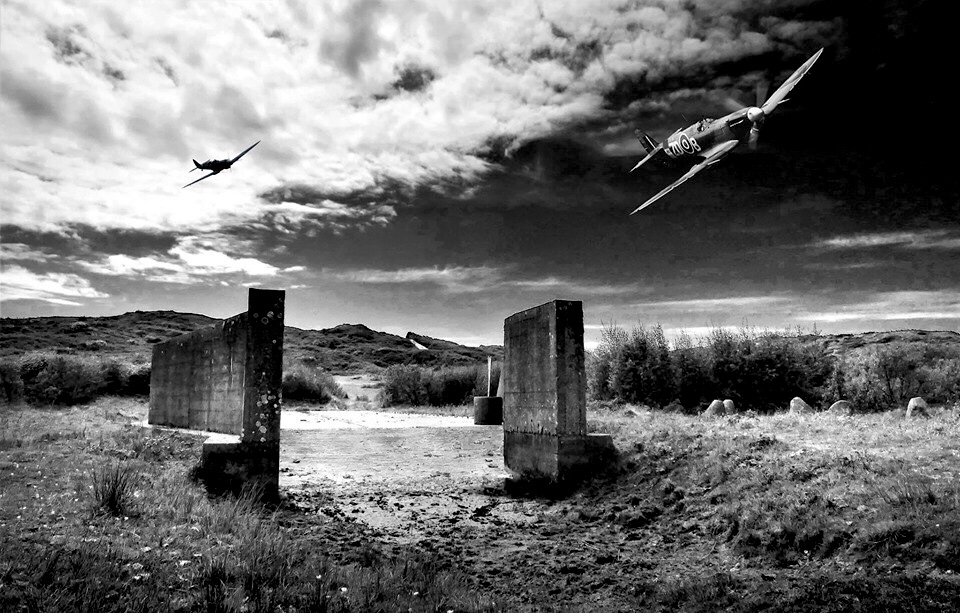
 Hawker Hurricane over the Linhay on the Marsh!
 Another Bideford Black painting 610 x 350mm on Bockingford paper. This was from an idea by Adrian Beasley Imaging who suggested copying one of his landscape photographs for an upcoming joint exhibition at a local venue. We are both exhibiting black & white landscapes and a comparisonal piece will be interesting. Just a few minor adjustments in the cold light of day but this is it. See you on North Devon Art Trek. Al
 The original AB photographic image above and my afternoon’s work beneath. I’ve taped the outside so that when removed it gives a kind of photographic edge to my painting. Al


 A quick study of the Tarka Trail near Chivenor in North Devon England. Painted using my own sourced and prepared Bideford Black pigment. Loved the dark shadow and highlighted cow parsley on the left of the trail. Still trying to free up my paintwork. Al
 From a photograph taken on a cold Autumn cycle ride along the Tarka Trail in North Devon. This renovated cattle shed is on the Braunton Burrows nr Crow Point. I’ve attempted to catch the afternoon’s dew left over from the morning and the partially frozen stream. I’ve also left my camera’s light refraction in the painting. For me it was the water that drew me to this image! Al
 Al Brown Artist.