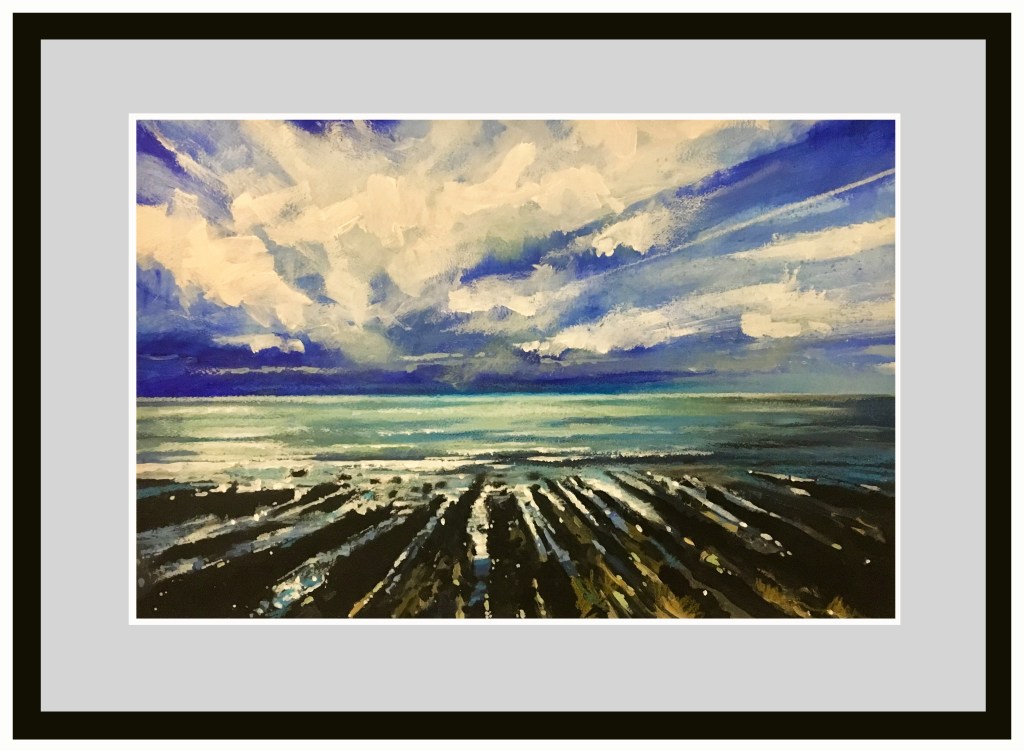
A day off and it’s raining like a monsoon so I decided to do an acrylic sketch of Oyster Falls at Croyde in North Devon, 650 x 450mm. I find it quite difficult to keep my brushstrokes honest and succinct so by using this type of sketch work I attempt to escape my more illustrative style. I like placing vapour trails in some of my skies, it’s a sort of reminder of my past travels and adventures. Al
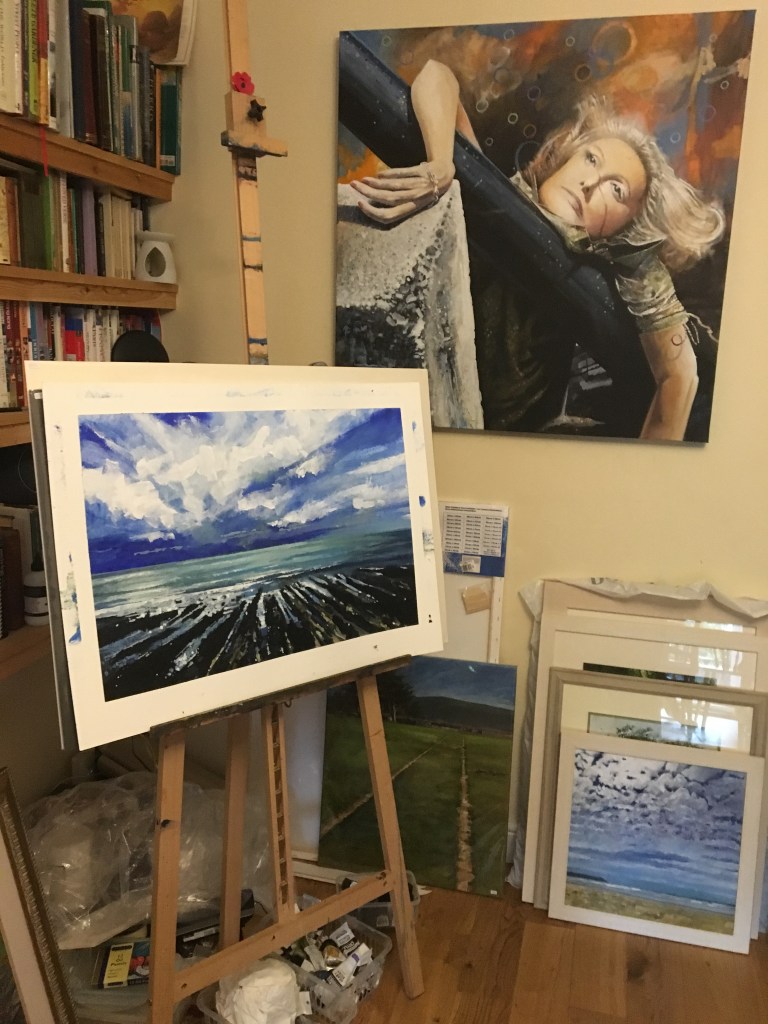
780 x 550mm Bideford Black on Bockingford Paper. Another painting of my favourite walk down the boardwalk to Crow Point in North Devon. This has been completed just in time for this year’s Art Trek opening evening at the Pilton Arts Group in Barnstaple 12:09:2019. I am sharing this evening with the amazing landscape photographer Adrian Beasley and wet plate photographer Stephen Raff. I will post pictures of this event soon. Al
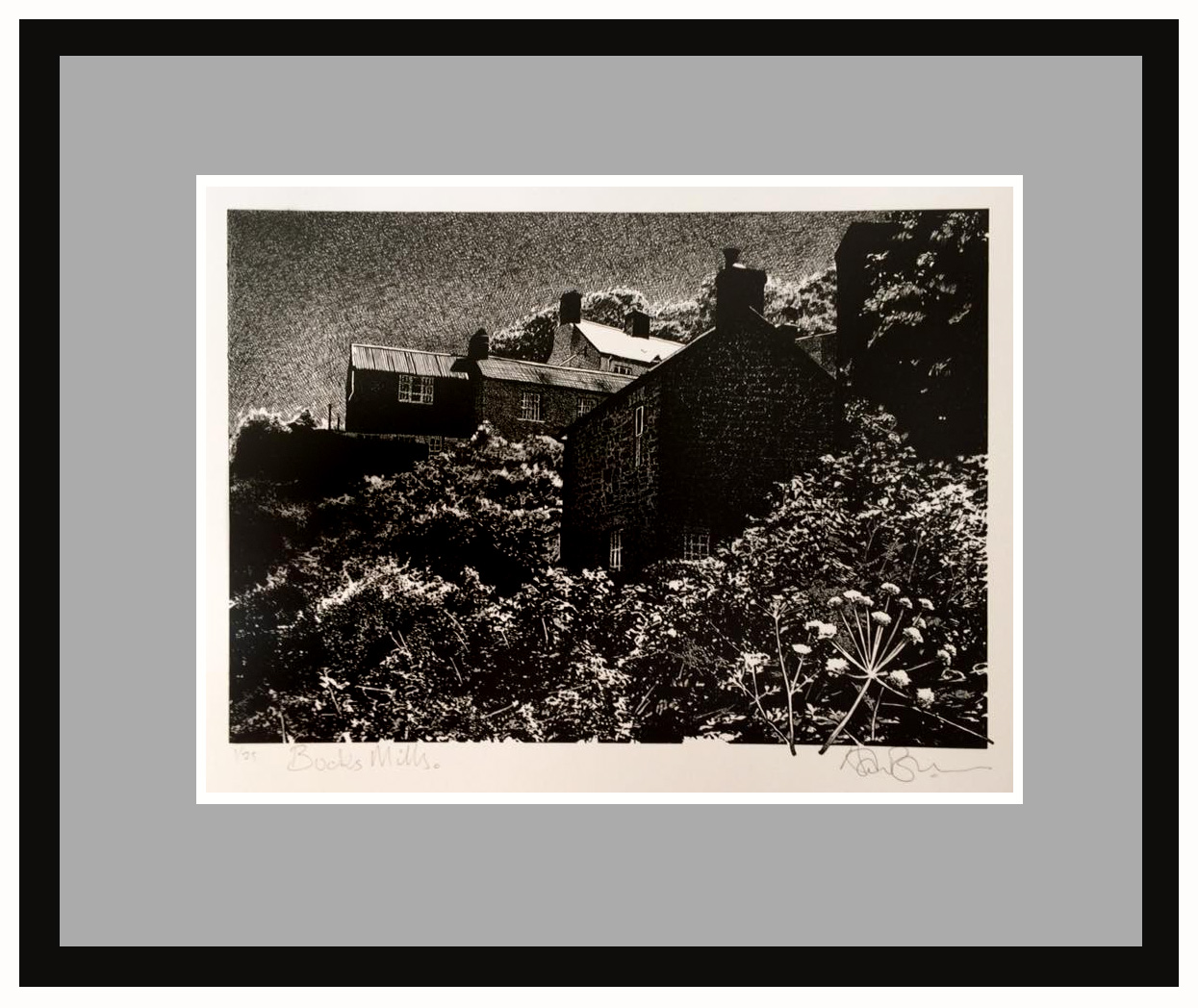
I would love to spend a few days here painting and drawing the North Devon coast at Bucks Mills. I used to surf here on Christmas Day and have many happy memories of summer days here. This is a pen and ink drawing it did a few years ago with a nod towards an old art teacher of mine at Bideford Art College/North Devon College called Jimmy Paterson ARCA. He painted this very scene and I’ve seen it displayed at the Burton Gallery in Bideford. Al
This is my version inspired by Buckham’s work of Spitfires over the US Assault Training Centre concrete landing craft on Braunton Burrows. These concrete structures, were laid during the World War 2 by the Americans when practising for the D Day Landings on Omaha and Utah by 146th Eng, Co C, 1st Platoon. Al
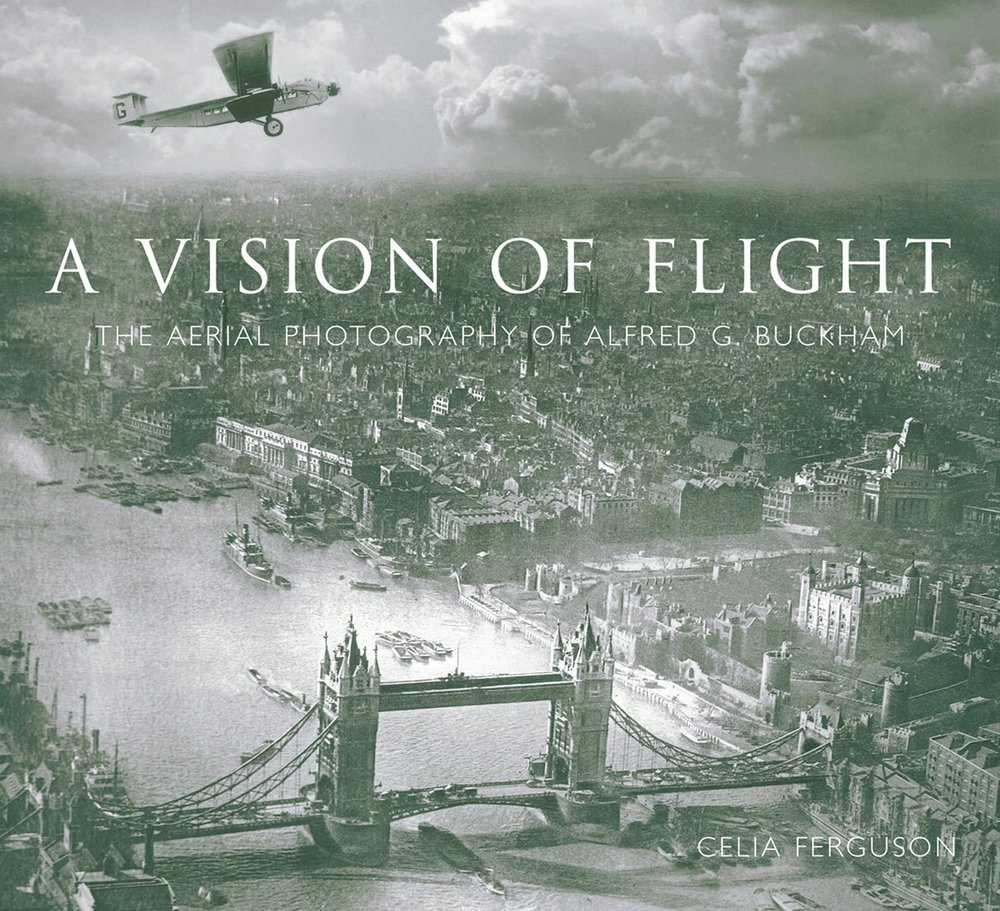
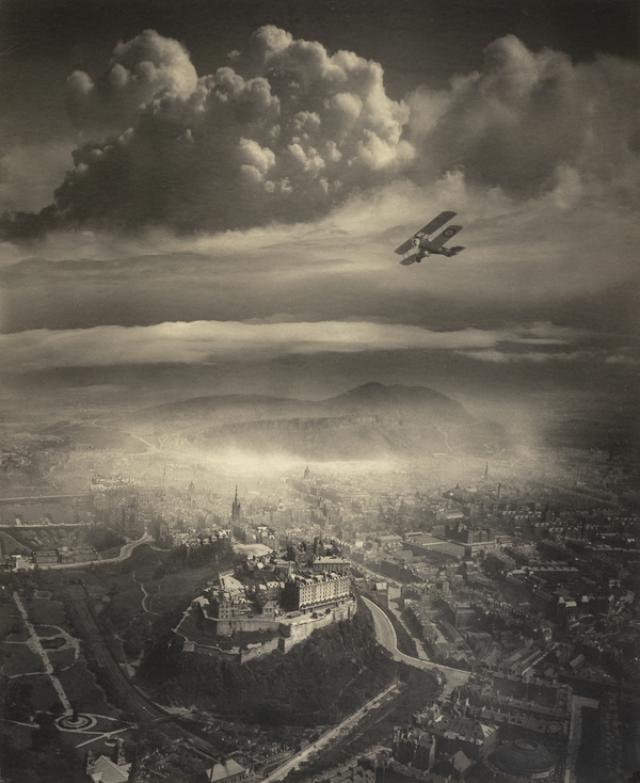
I’ve been looking recently at the old 1920s aerial photographs by Alfred G. Buckham. I loved looking at his pictures in old faded books when I was a child and marvelled at their imagination and camera angles, I later understood that they were actually skilful photo-montages. Alfred was born in London on 6 November 1879. He began his career in photography in 1905 and joined the RAF as a reconnaissance photographer in 1917. He became the first head of aerial reconnaissance for the Royal Navy, in the First World War and later a captain in the Royal Naval Air Service. Buckham was involved in 9 crashes, 8 of which saw him relatively unscathed. After the ninth, however, he had to have a tracheotomy and breathed through a small pipe in his neck for the rest of his life. Despite this, he carried on his aerial photography career, often in very perilous conditions. He felt the best shots were made standing up, writing “If one’s right leg is tied to the seat with a scarf or a piece of rope, it is possible to work in perfect security”.



 I would love to spend a few days here painting and drawing the North Devon coast at Bucks Mills. I used to surf here on Christmas Day and have many happy memories of summer days here. This is a pen and ink drawing it did a few years ago with a nod towards an old art teacher of mine at Bideford Art College/North Devon College called Jimmy Paterson ARCA. He painted this very scene and I’ve seen it displayed at the Burton Gallery in Bideford. Al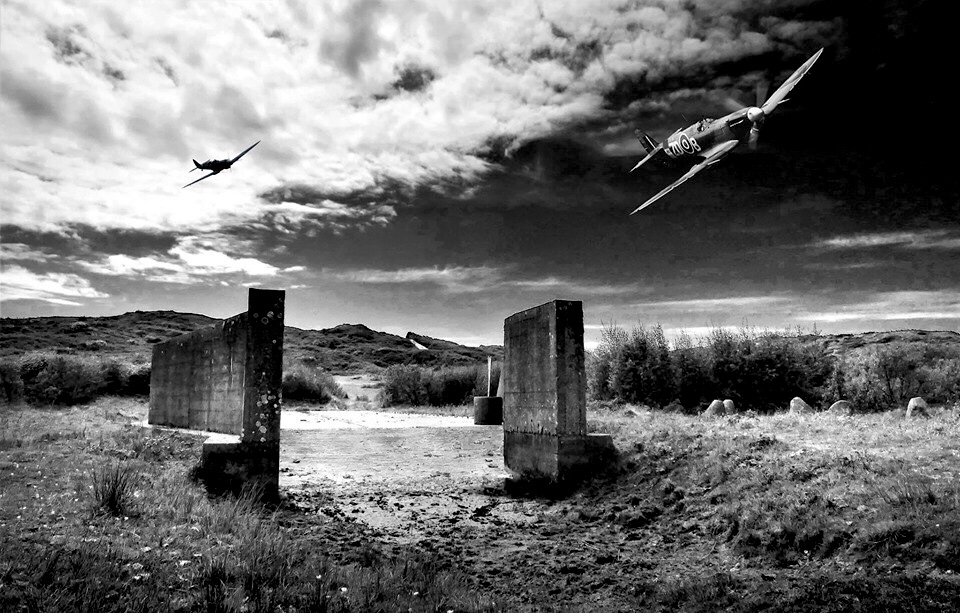
 Hawker Hurricane over the Linhay on the Marsh!
 Last Bideford Black painting for a while. This is of the famous Seafield House at Westward Ho in North Devon. Always love looking at this building with its decay and mystery. Recently a local businessman has purchased this so it will be interesting to see what happens.
  Al Brown Artist.