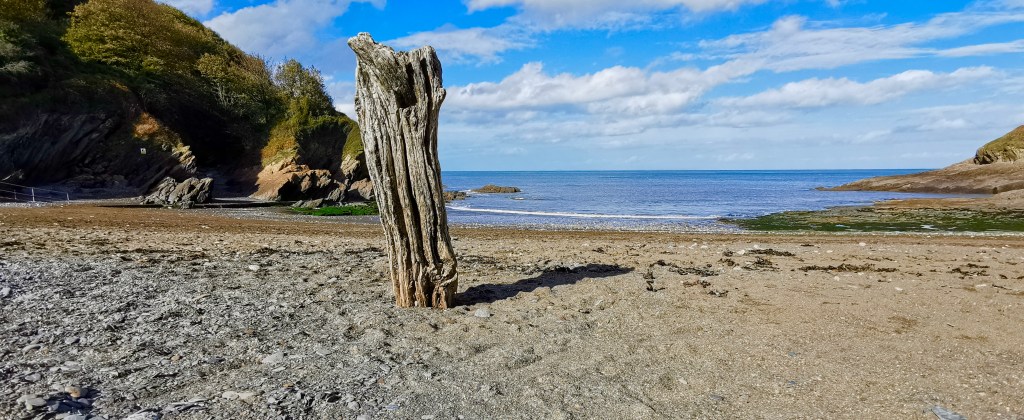
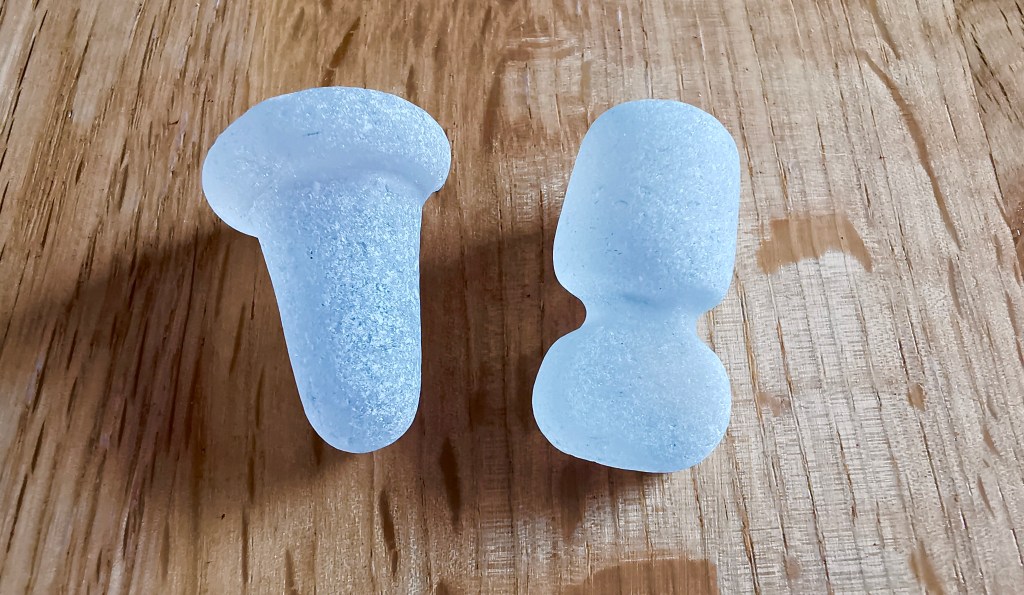
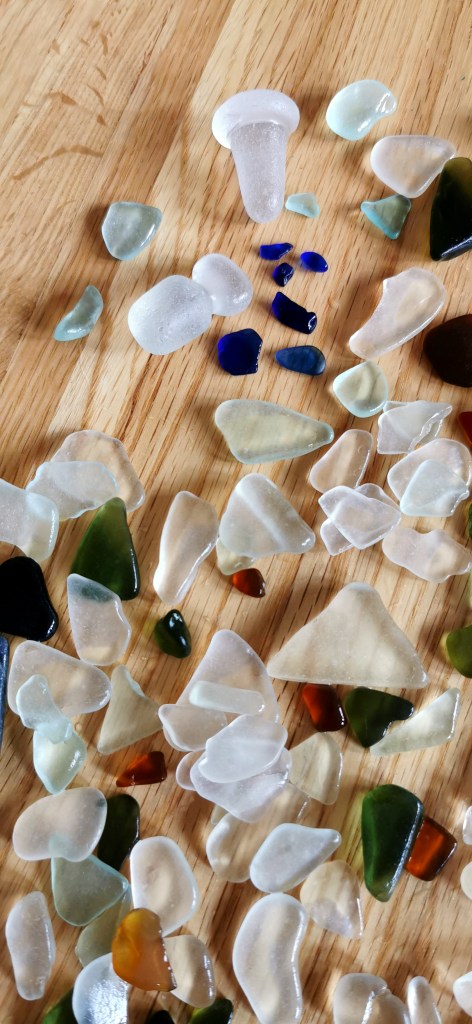
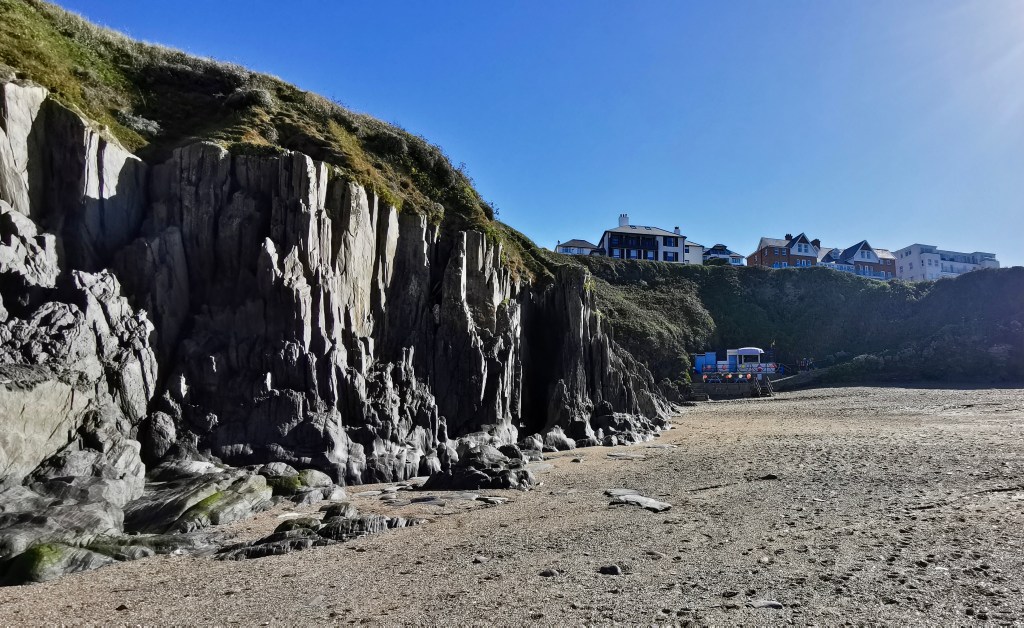
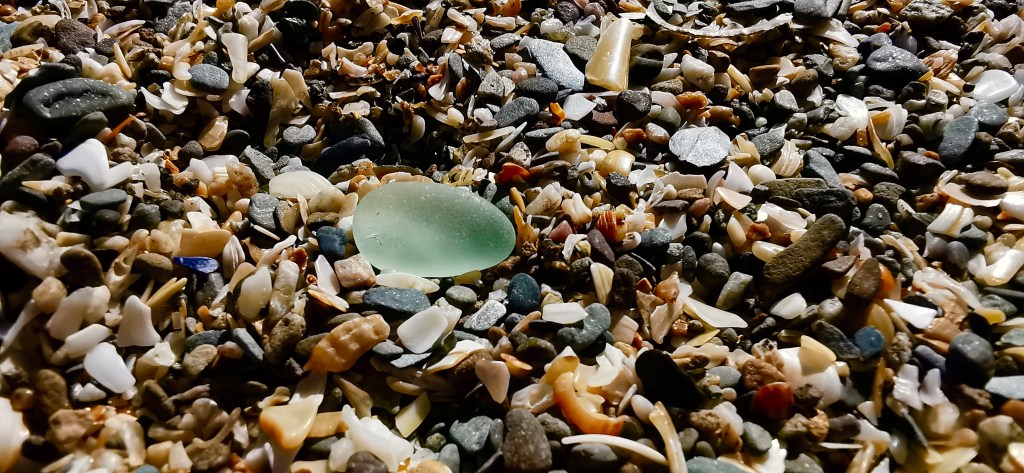
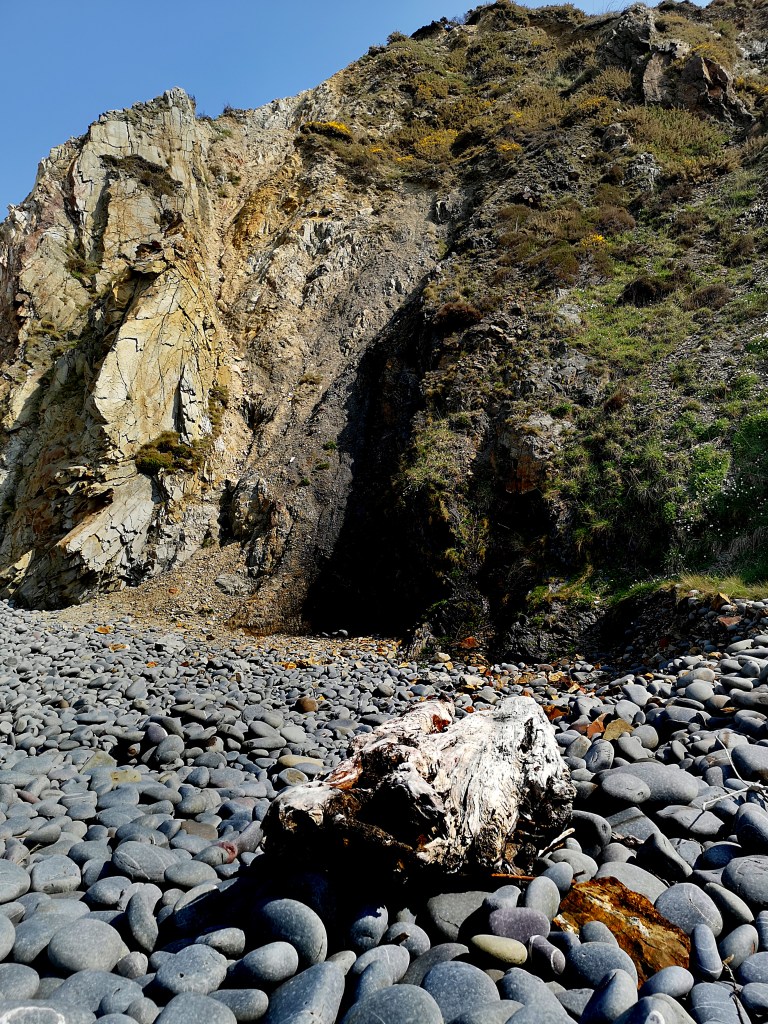
It seems that a return to glass hunting on Hele Beach was in order today and although the tide was fully in we thought it possible to search the sands whilst the tide ebbed. We arrived, parked in the fee carpark and walked onto the beach, the tide was dropping quickly revealing shining wet stones and glass. It’s quite odd how searching in one direction you see no glass yet you can turn around and see everything, we believe it’s all in the angle of the reflective light and the wetness of the glass. You also have to crouch down quite close to the sand as sea glass fully reveals itself to only those who search intimately. Today we found two bottle stoppers which are quite rare and some equally illusive blue glass. We managed to fill two small bags with our endeavours all the more with which my wife can continue to make her jewellery.
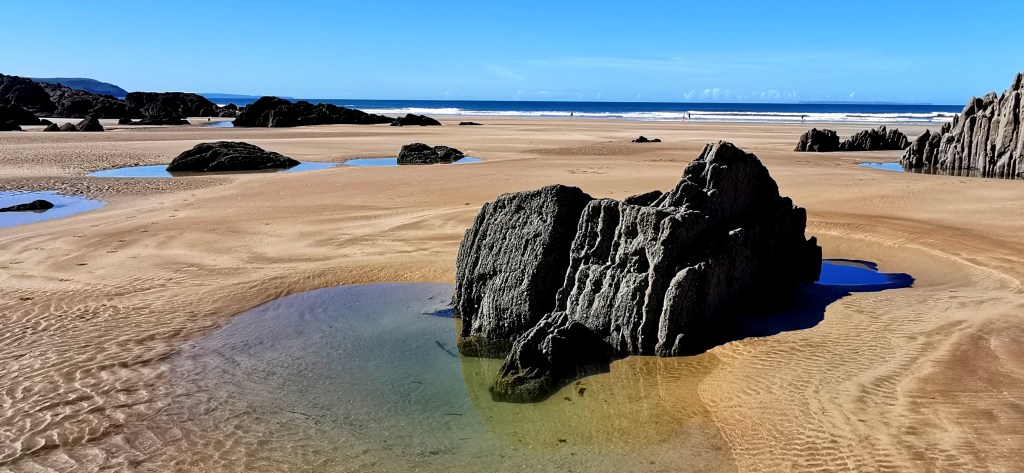
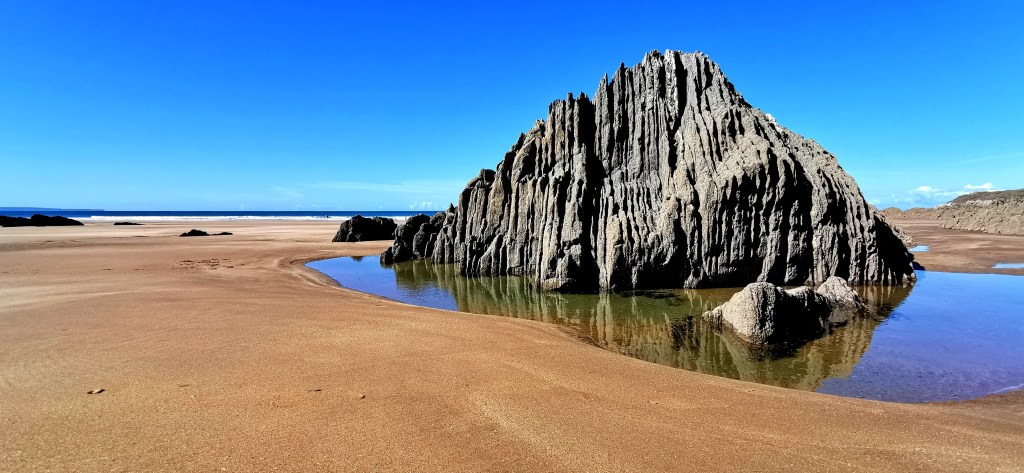
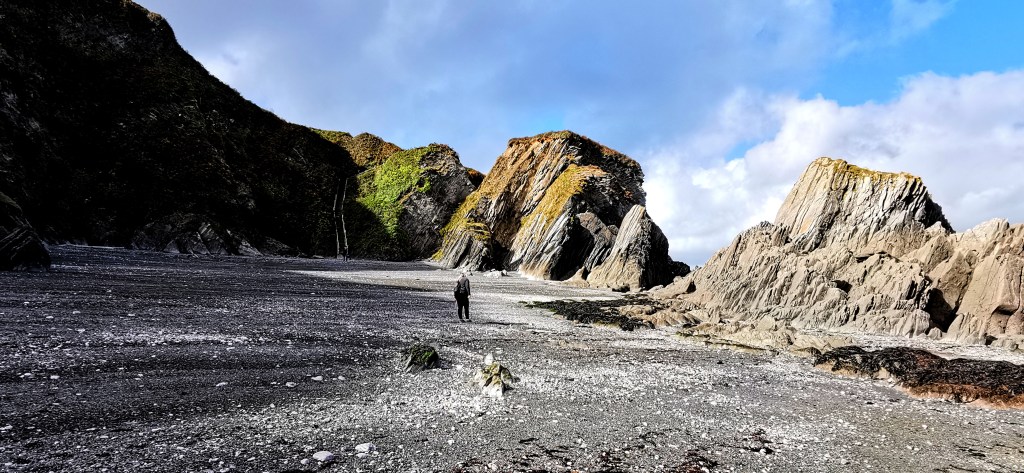
A quiet day at Combesgate Beach near Woolacombe in North Devon. With most of the summer visitors gone the beaches have now finally been reclaimed by the locals. We spent the day sitting in the sunshine on Barricane Beach drinking mugs of tea from the beach hut owned by the now locally famous Sri Lankan chef who supplies curries on summer evenings. In a week this curry house will be craned off the beach and stored marking the start of the approaching winter season. Of course sea glass was found at Barricane but not so much at Combesgate around the corner although the rock formations there were outstanding. It’s on days like these, when you have the beach to yourself, you appreciate living in such a part of world.
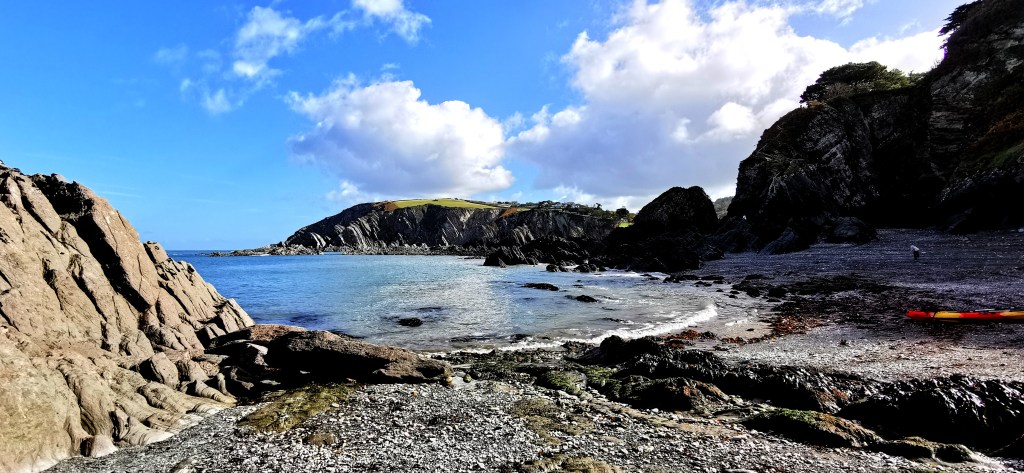
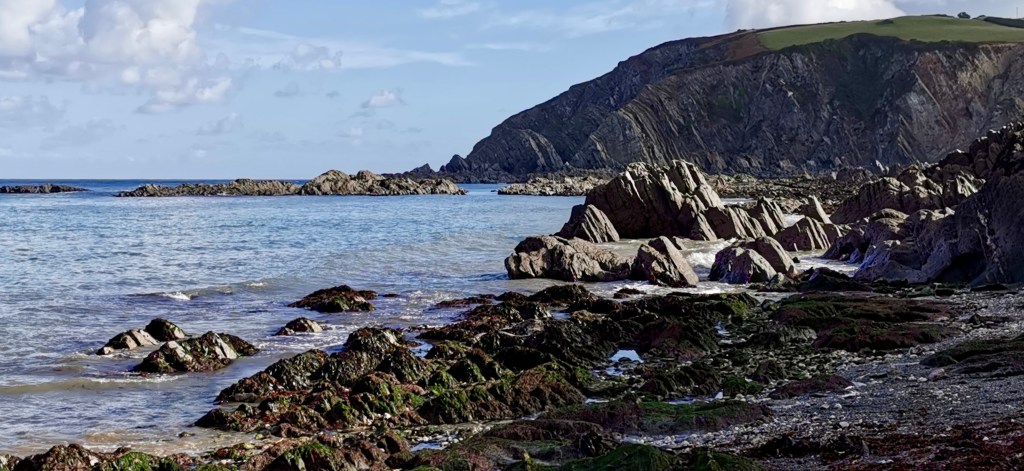
Well on a surprisingly sunny Sunday for October Donna and I decided to return to Lee Bay for a little more sea glass hunting. It was quite busy for this time of year but on our secret beach all was well. We spent a couple of hours strolling up and down picking sparkling sea glass out of the warm sand, so once our bags were full we decided to go to The Grampus and have some beer and cheesy chips.
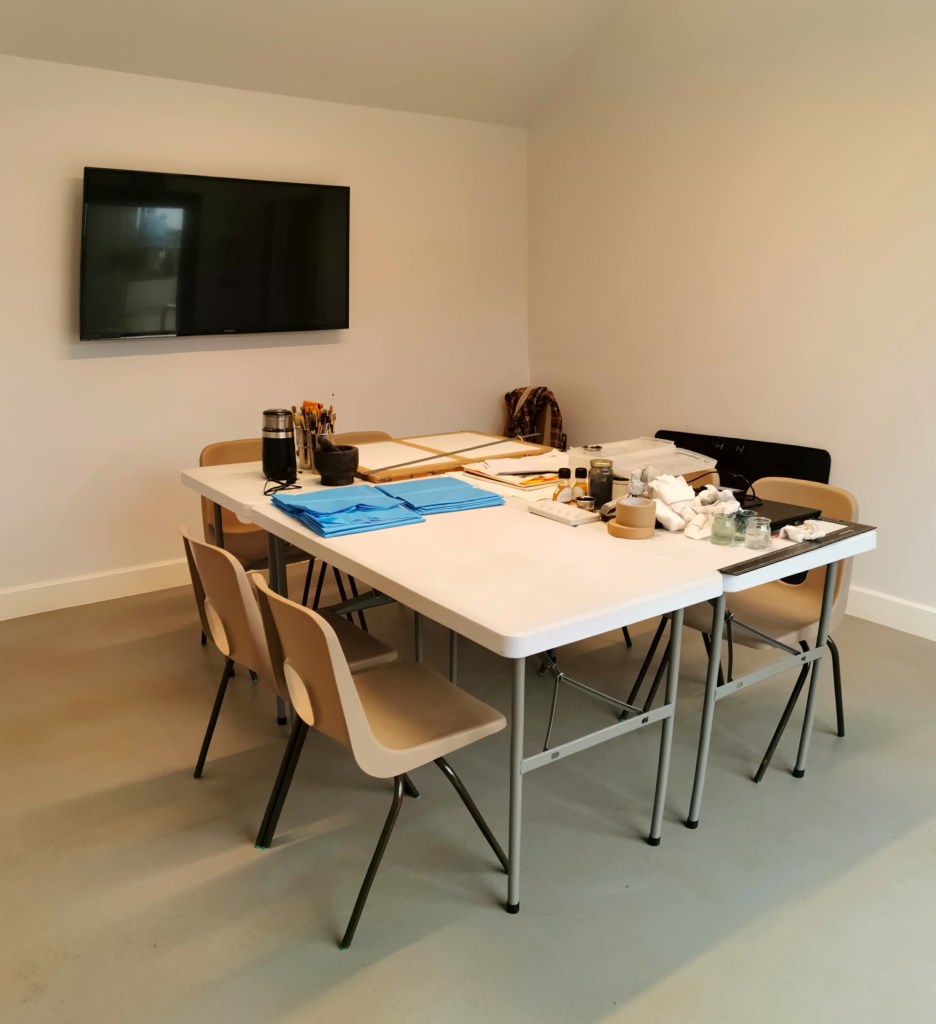
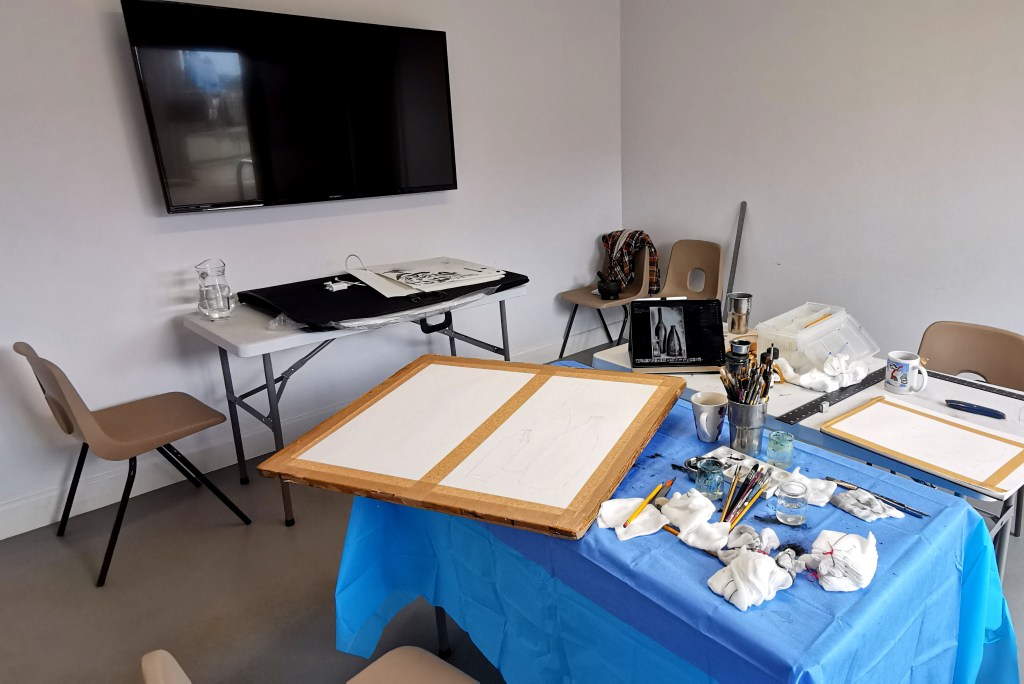
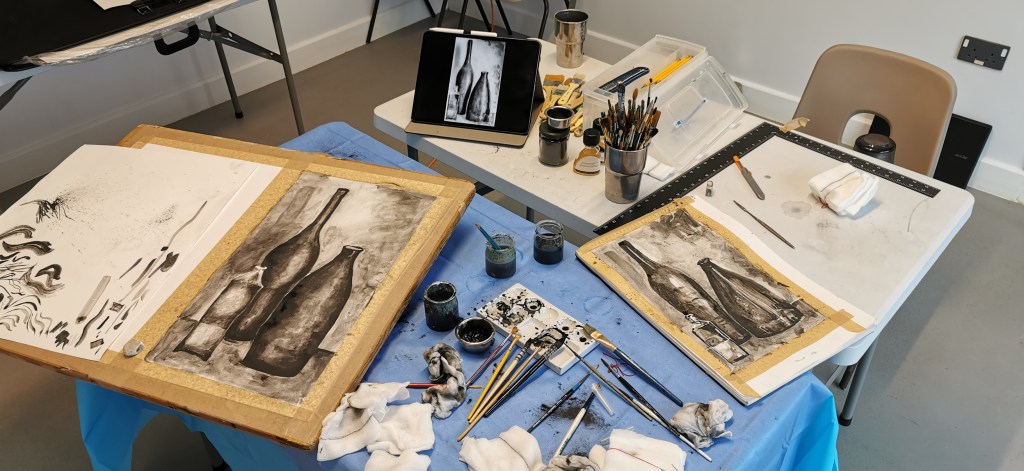
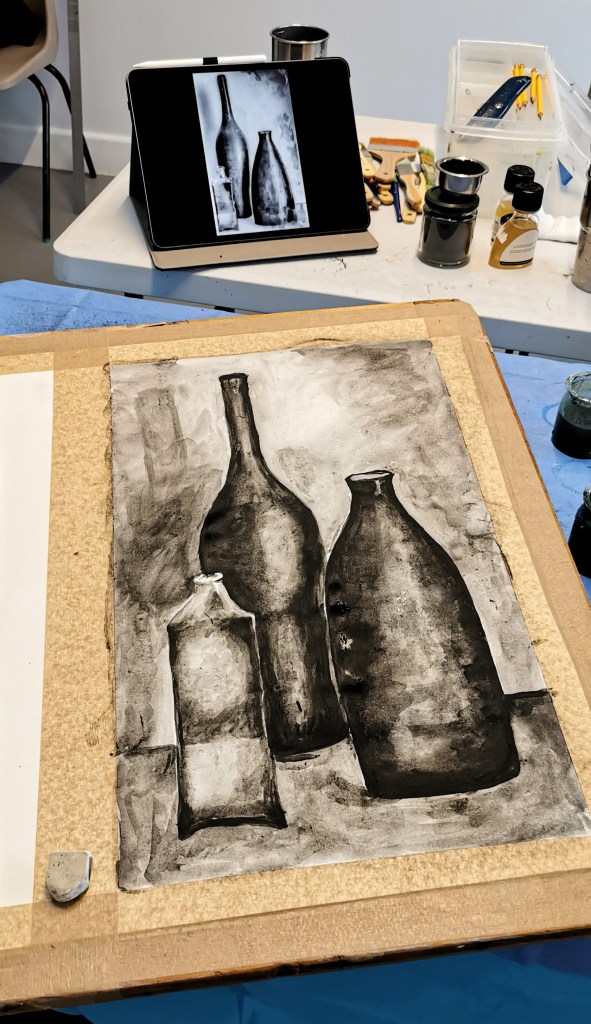
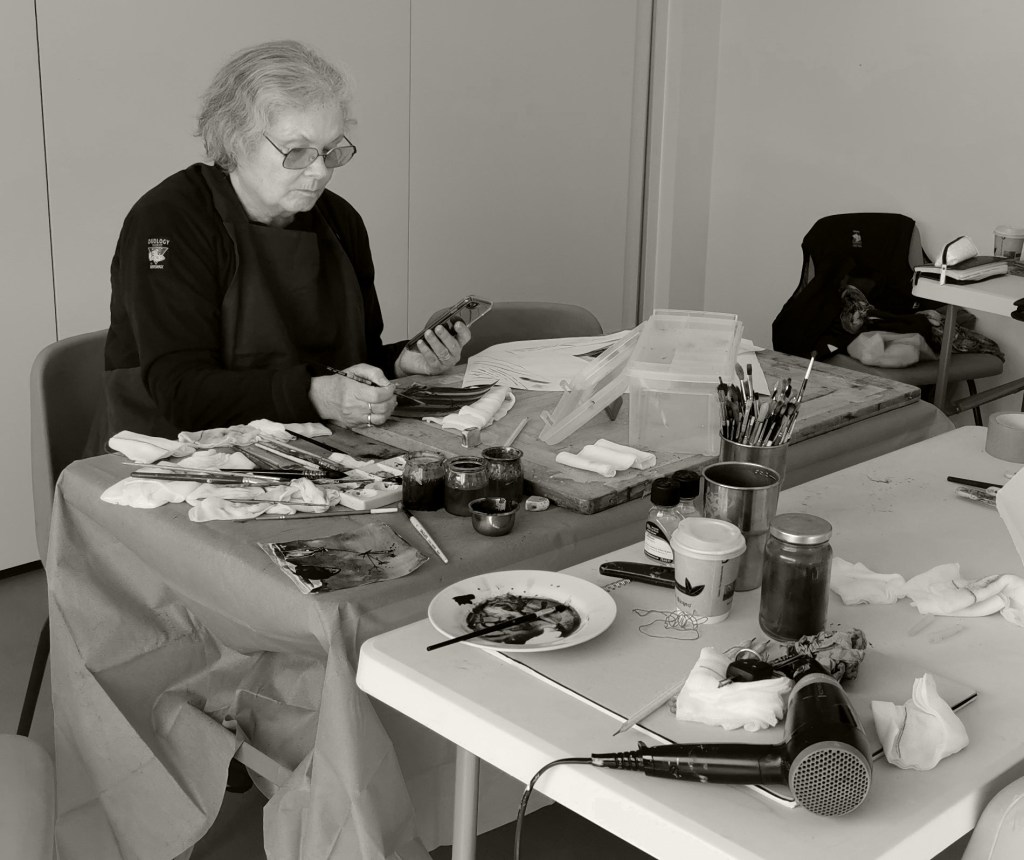
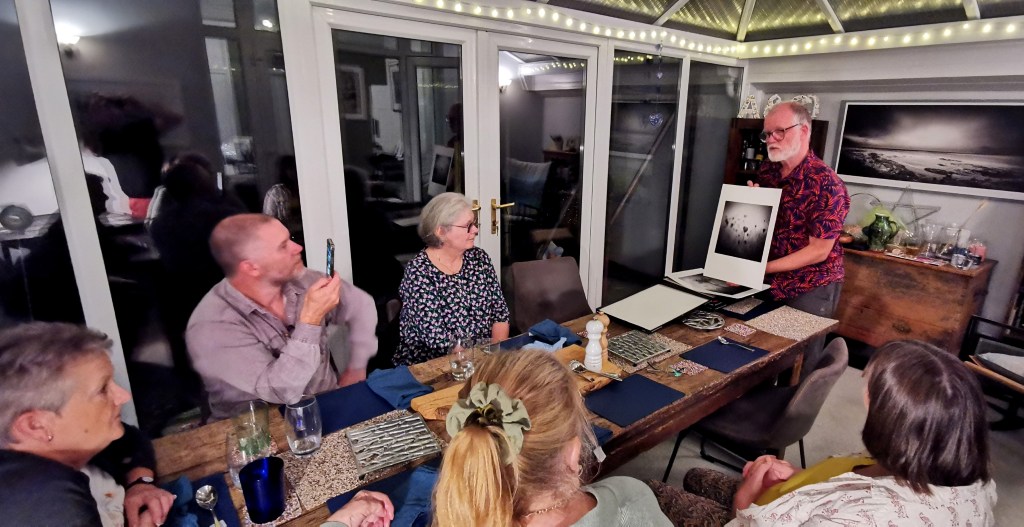
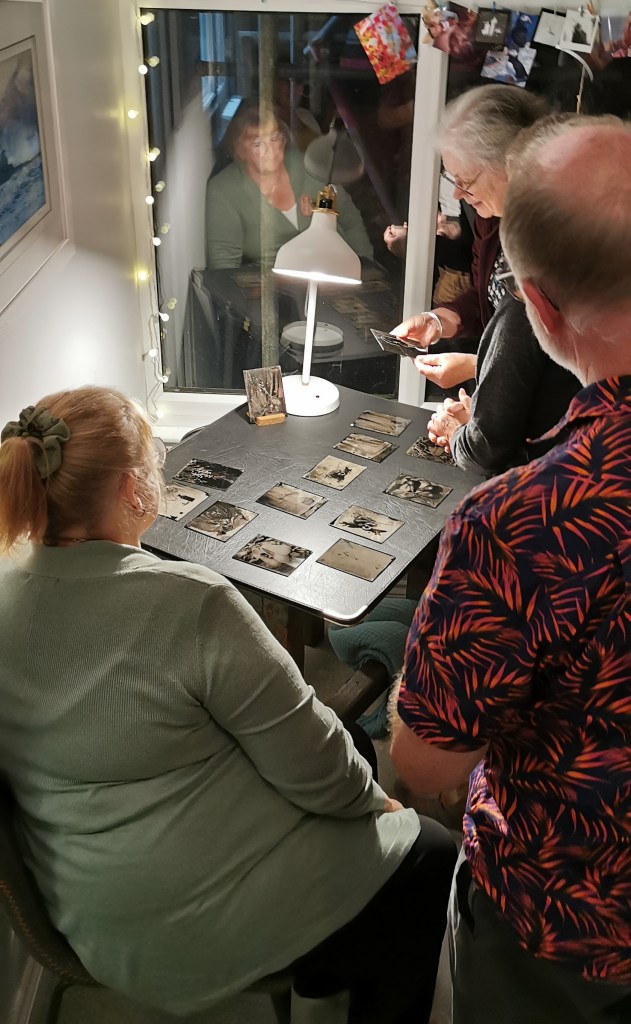
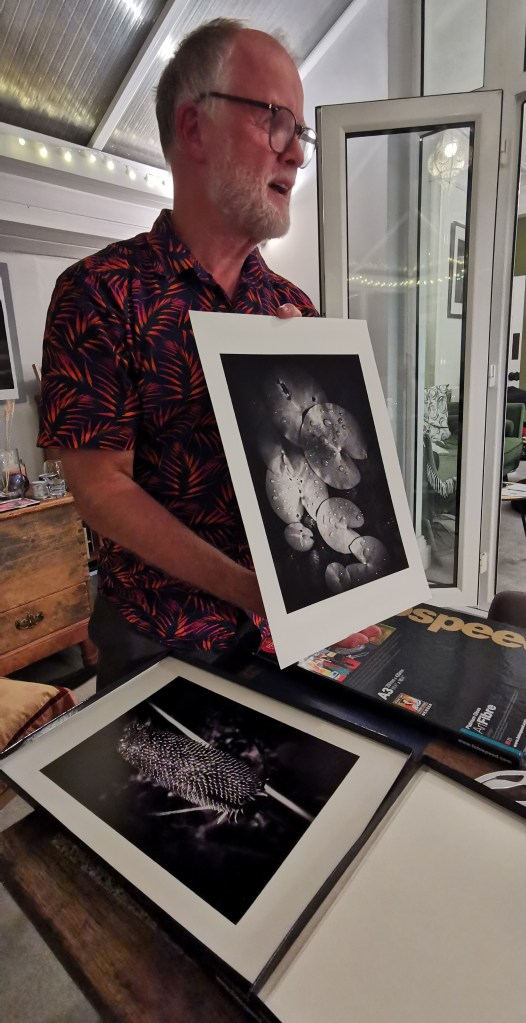
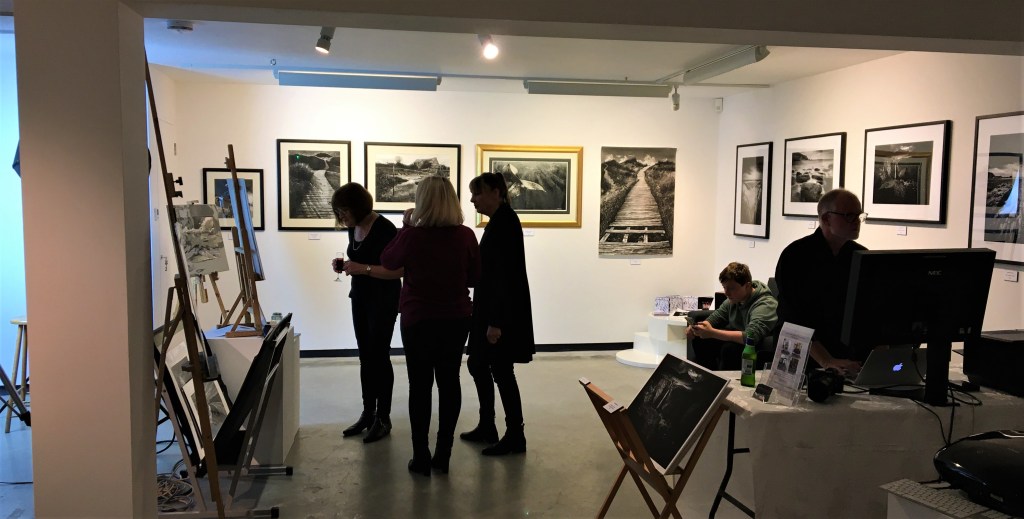
A wonderful few days spent again as the BLACK ARTS with organised residential workshops managed by Adrian Beasley. The workshops featured tutors Adrian with digital capture, editing and printing, Stephen Raff taking clients through the early wet collodian photographic process and myself painting compositions with clients using the unique Bideford Black pigment. Our clients stayed at the Seagate Hotel in Appledore, North Devon and were taken to venues each day. I had the great pleasure of being based at the scenic Northam Visitor’s Centre beside the beach at Westward Ho pictured above.
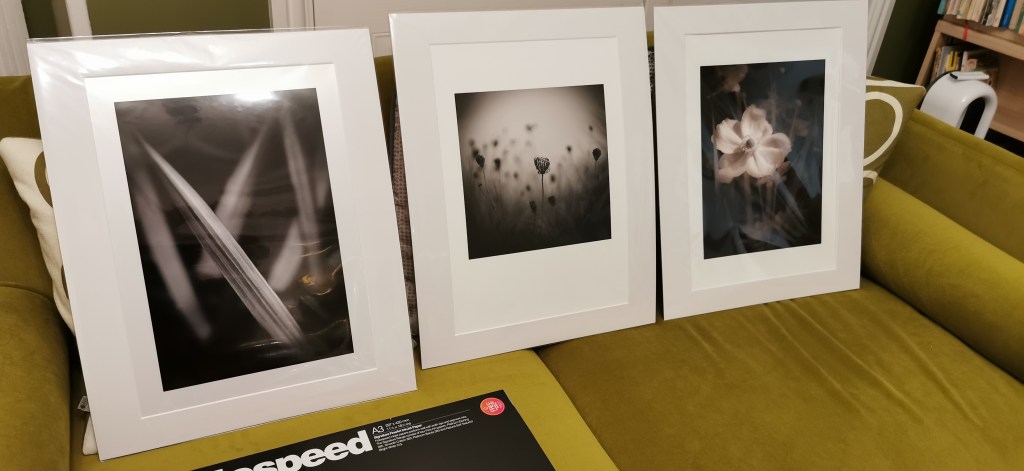
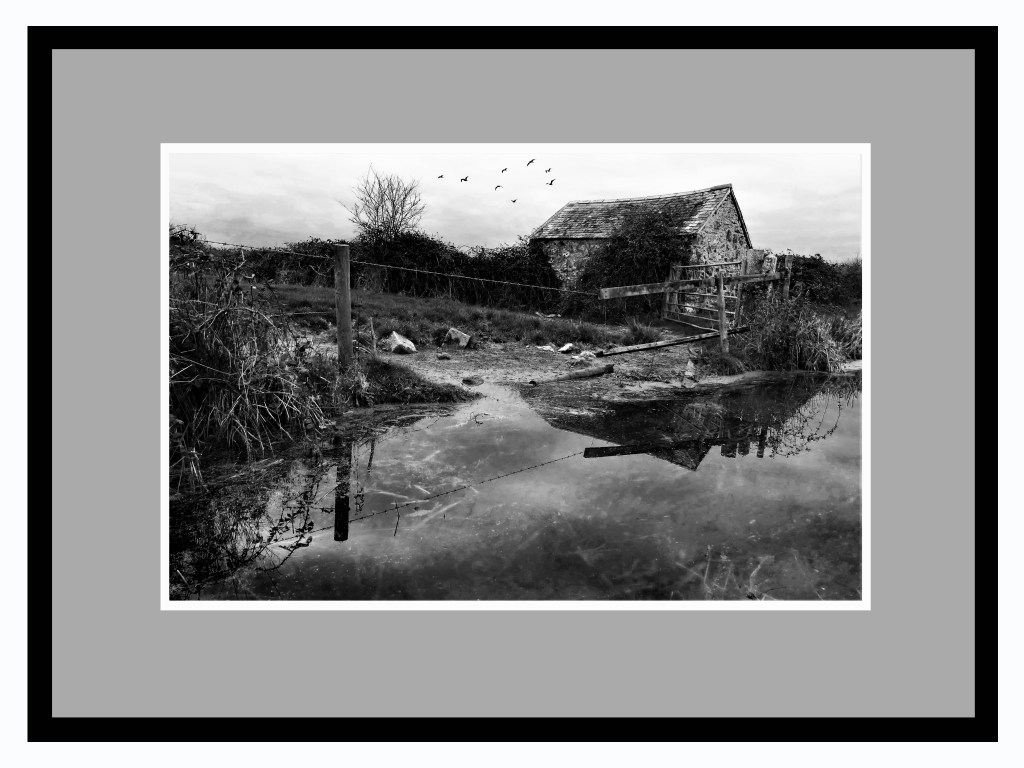
Below are pictures of some of our clients work produced over three days involving group discussions. Each evening a different venue was chosen where we chatted informally about our day’s progress over meals at Belluno in Bideford, The Beaver in Appledore and Moran’s Restaurant in Westward Ho. On the final evening we all got together to look at the final work produced which included ‘The Big Reveal’ where everyone could see each other’s compositions. As you can see from the pictures superb work had been produced and the fabulous Indian banquet cooked by Clea, Adrian’s wife, ended the three day course superbly.
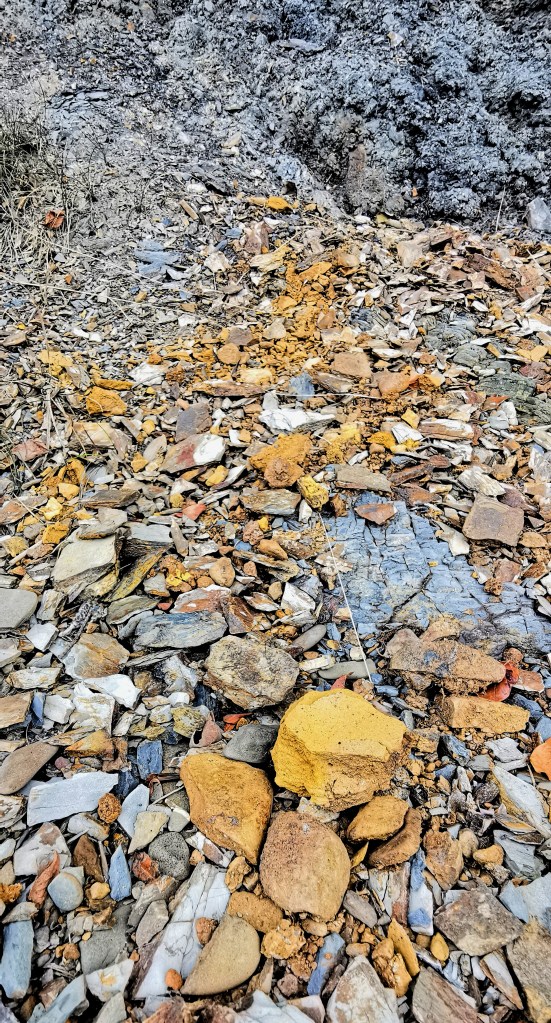
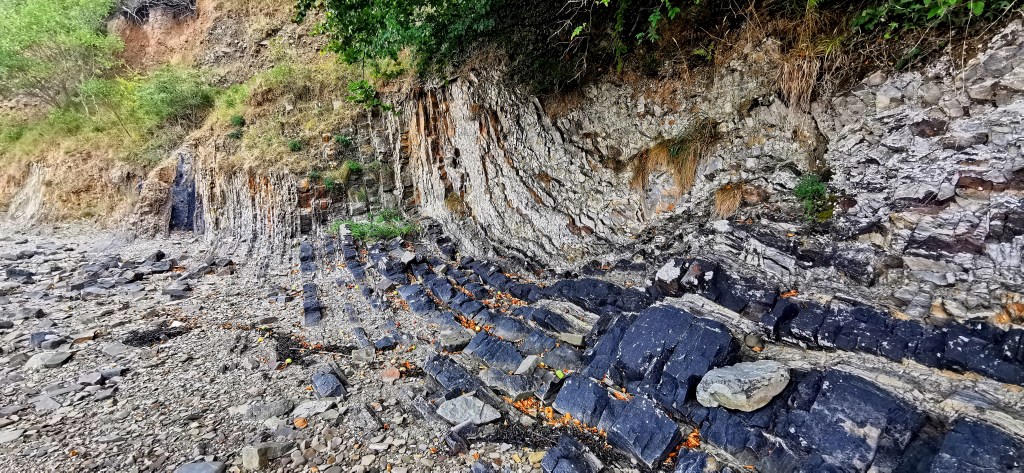
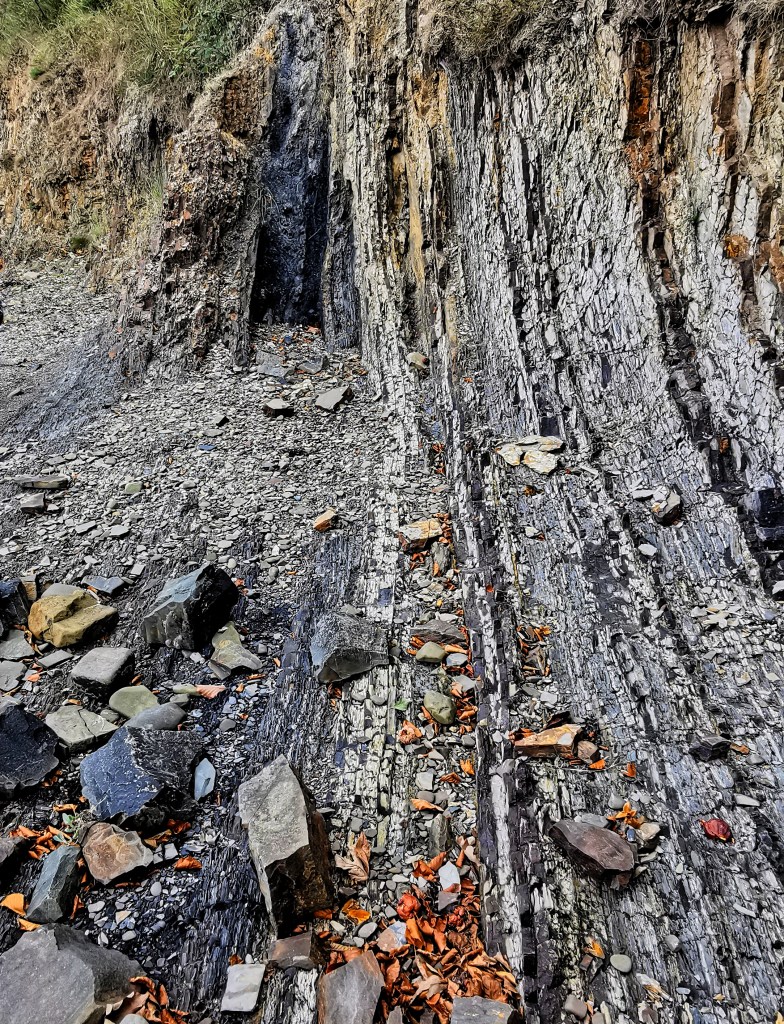
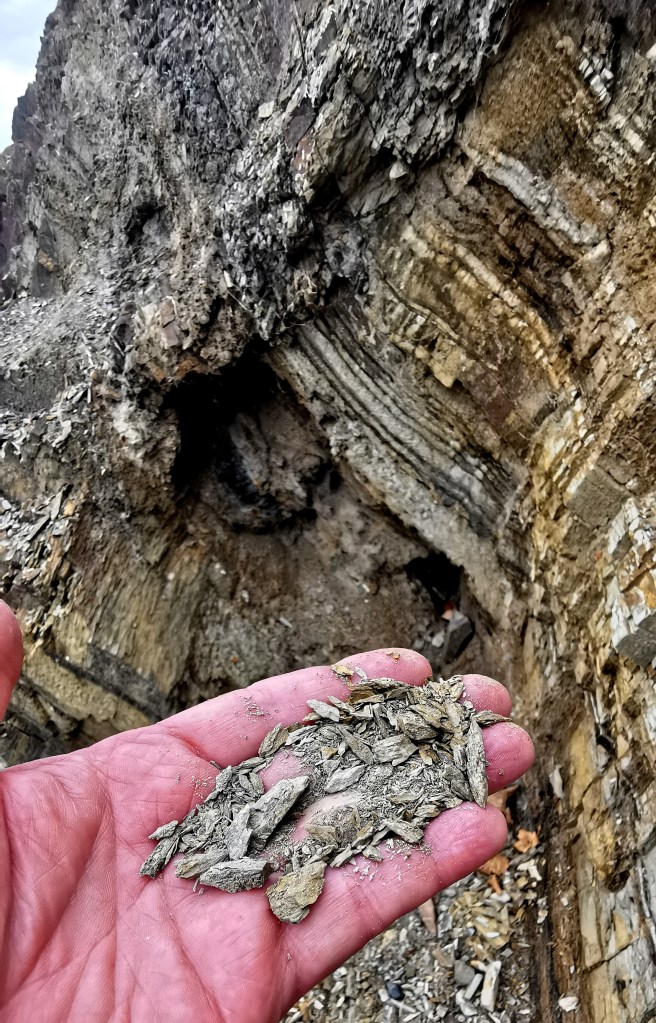
I’ve spent an interesting afternoon looking through the rock strata at Fremington Quay. I’ve collected Bideford Black from Greencliff at Abbotsham and used the blackish colour called Poor Man’s Coal from here at Fremington too. A renowned pigment artist called Peter Ward mentions that there are other distinct colours to collect here too, namely, Yellow Ochre, Burnt Umber, White Clay and Grey. On inspection these pigments are quite evident here so after collecting some samples I will prepare them for future painting projects. Below is a link to an interesting article by Peter Ward.
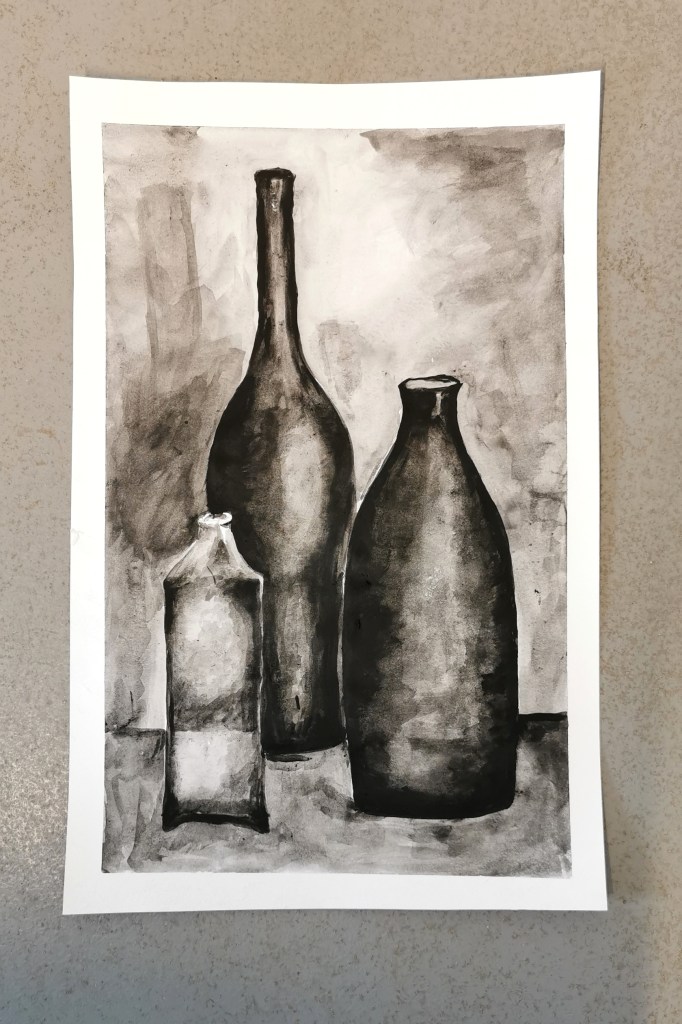
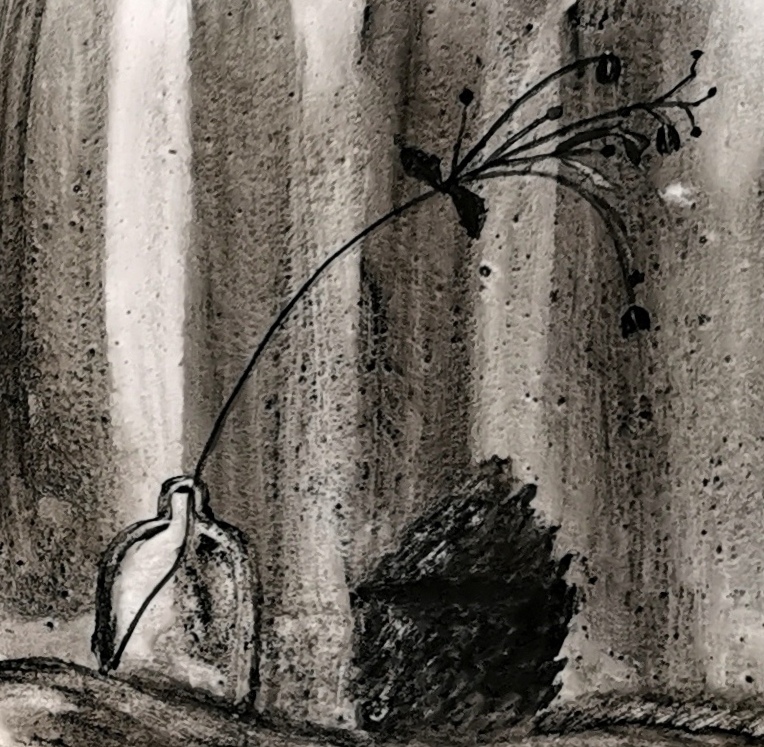
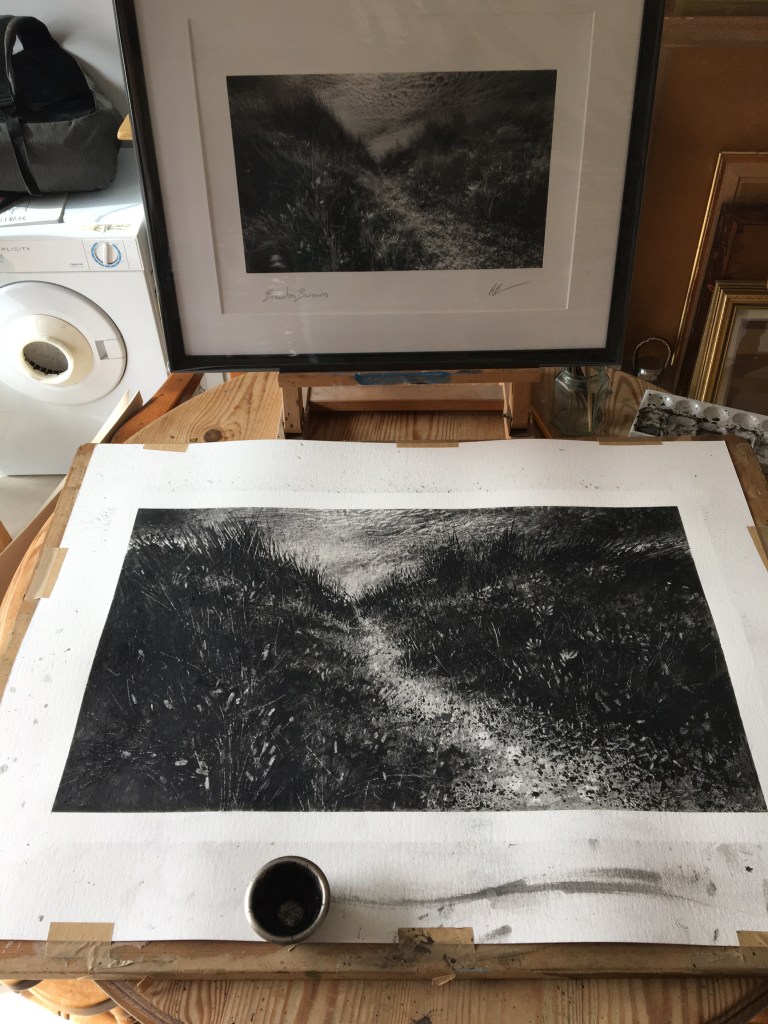
An afternoon of running through lesson ideas in the use of Bideford Black and paint application techniques with Adrian Beasley. Adrian used assorted brushes, rags, scalpels and spattering techniques to produce these two wonderful images of the boardwalk at Crow Point. The subject is a particular favourite of mine but in a few weeks with other students other ideas and compositions will be explored with regard to Westward Ho, pebbles and beachscapes in both black and white photography and paint.
I’m pleased to be part of another Black Art’s project organised by photographer Adrian Beasley. This residential course will run from the 12th to the 16th September and will be based in North Devon. The project will feature the following artists.
Adrian Beasley who will be based at Hartland Quay featuring landscape photography and computer enhancement of images. Stephen Raff, will be taking students through the wet plate photographic process and creating glass plate images. Al Brown will show how to make and use the local Bideford Black pigment and use it to create landscape paintings of the North Devon coast.
These few days should prove to be an exciting challenge to create memorable black and white images of North Devon. There are still a few places left! Al
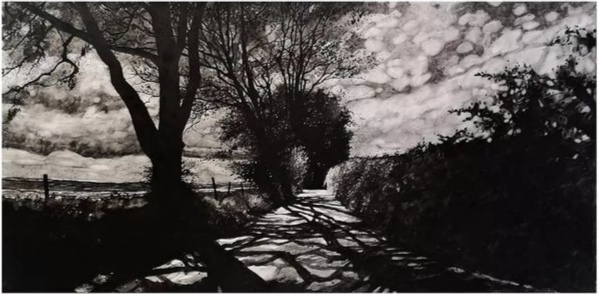
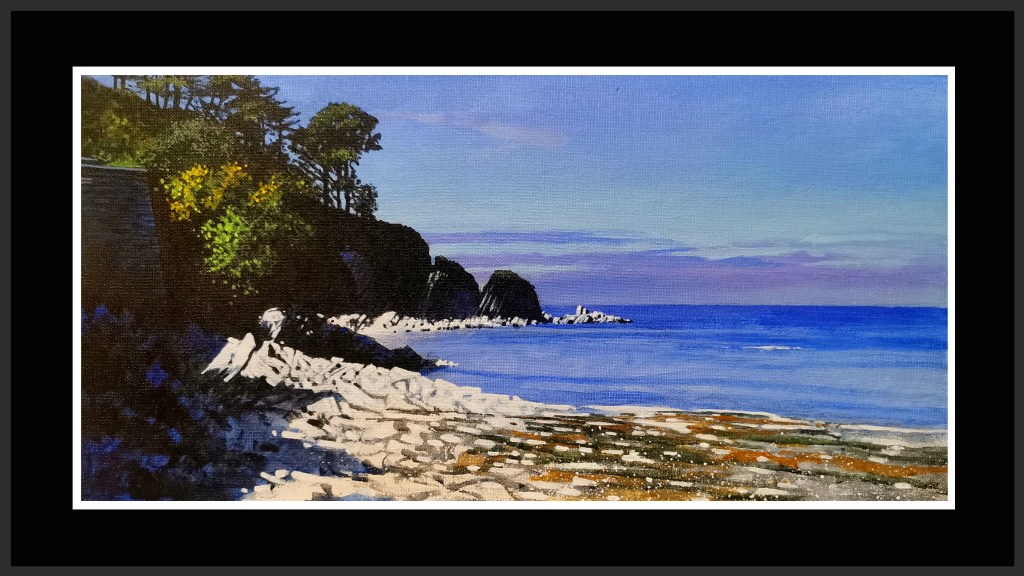
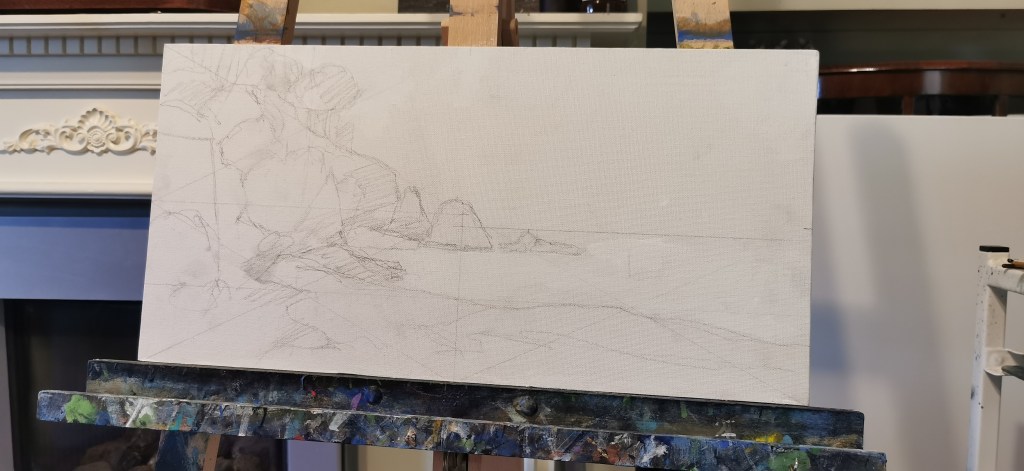
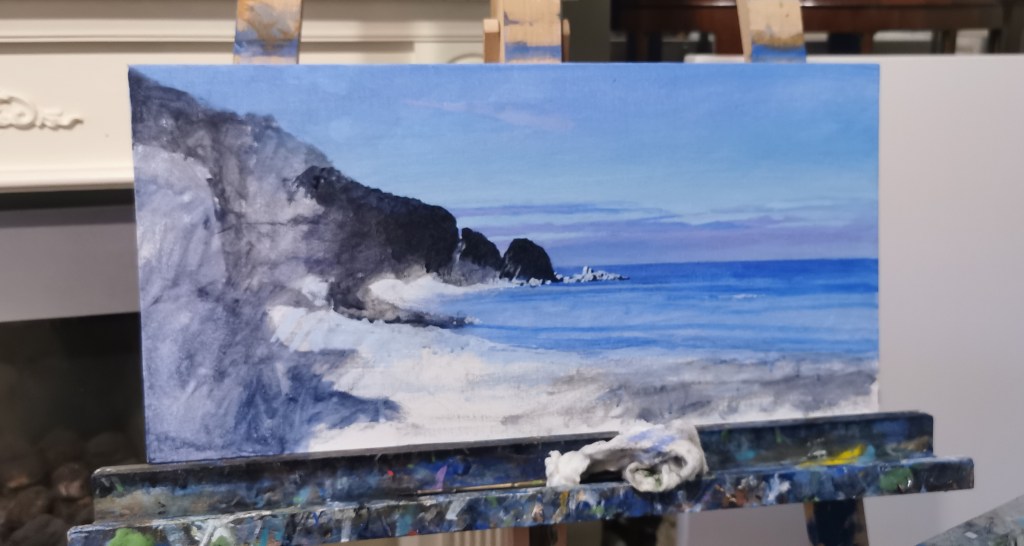
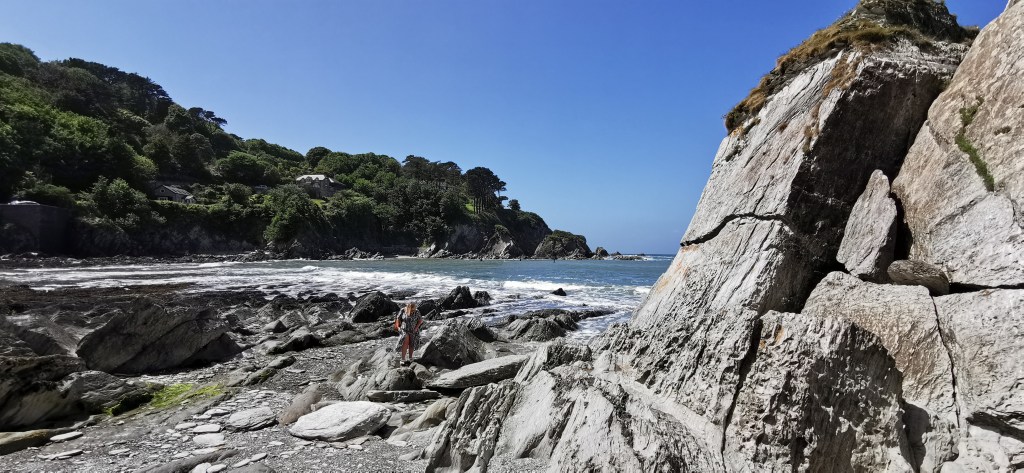
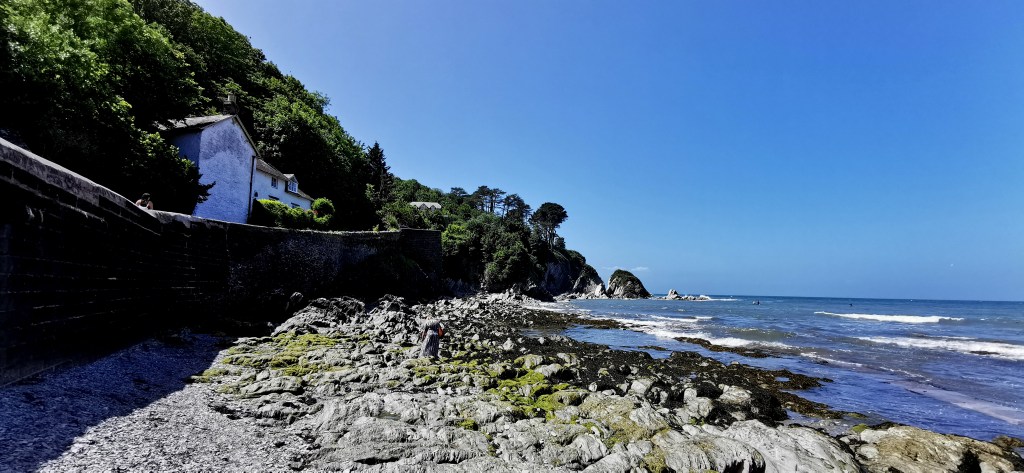
A smaller composition 10 x 20″ just to keep my motivation going whilst I plan my latest large scale project! Image painted from a recent visit to Lee Bay with my wife for a glass hunting forage. My wife Donna makes sea glass jewellery under the name Flotsam & Then Some! We had the usual beer and lunch at The Grampus pub then ventured onto Sandy Cove, for a rare afternoon we had the beach to ourselves and we felt like we were on a deserted island.
A spur of the moment decision to drive up the coast to Lee Bay and hunt for more sea glass with my wife. She’s making jewellery at the moment so we’re making the most of the great weather. Not too much of a haul today as the tide was in but still there was glass to be found. This was followed by a visit to the Grampus Inn for wine, beer and sandwiches. This pub makes it’s own gin and beer and I must say the ale was superb! Al
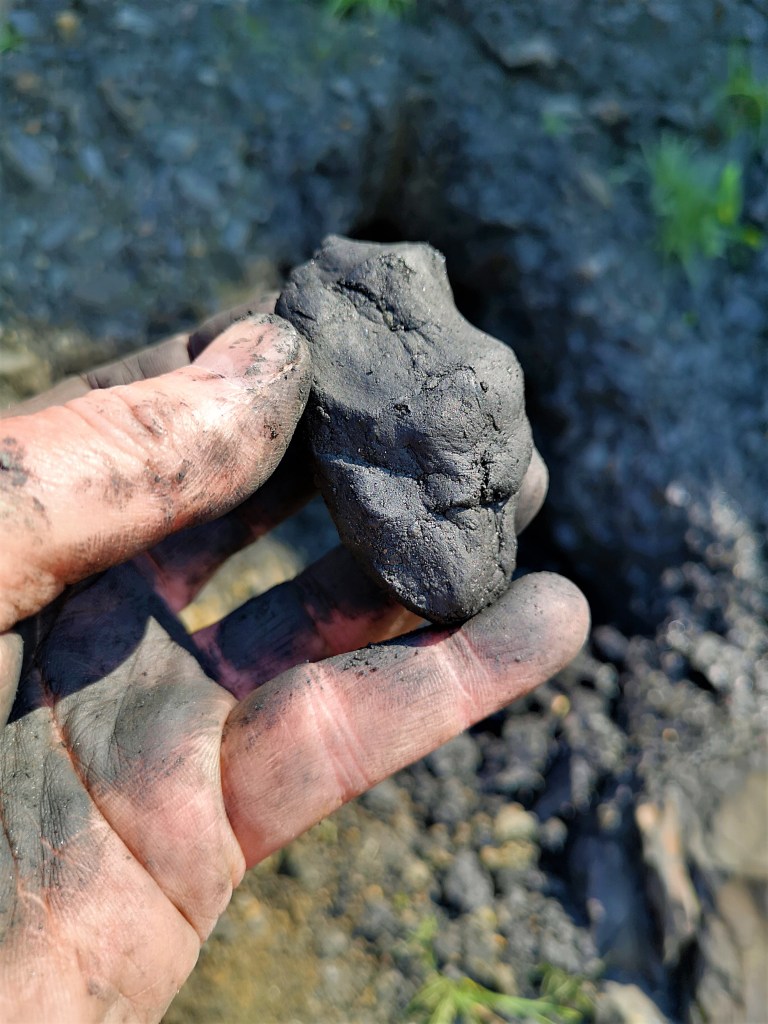
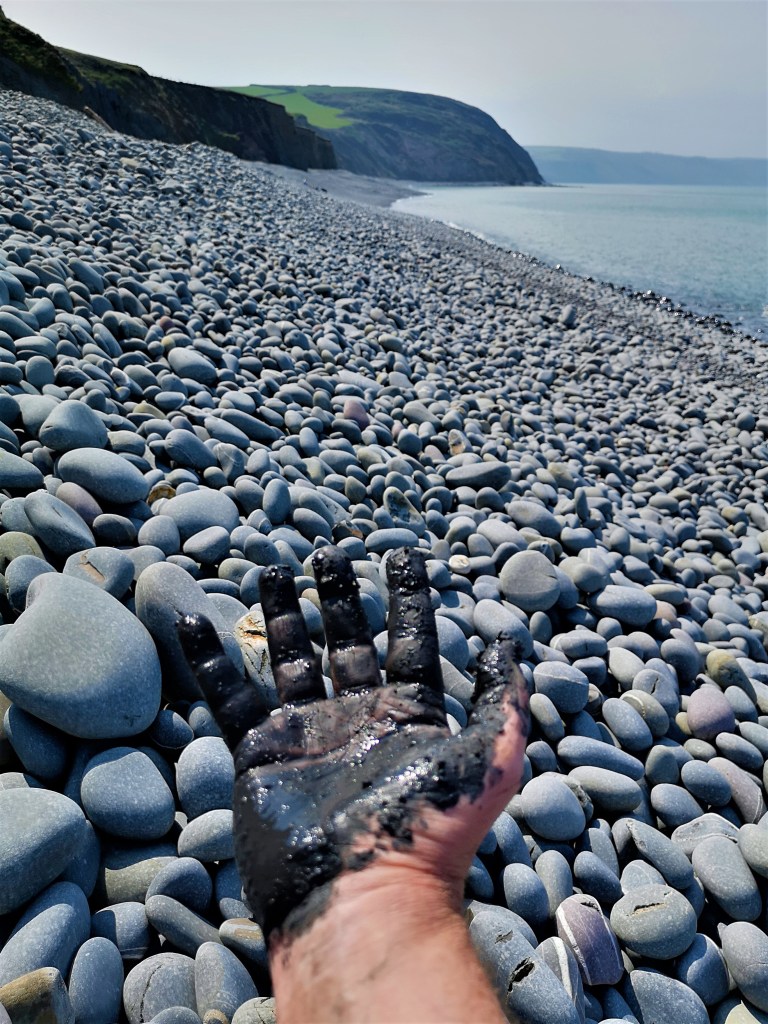
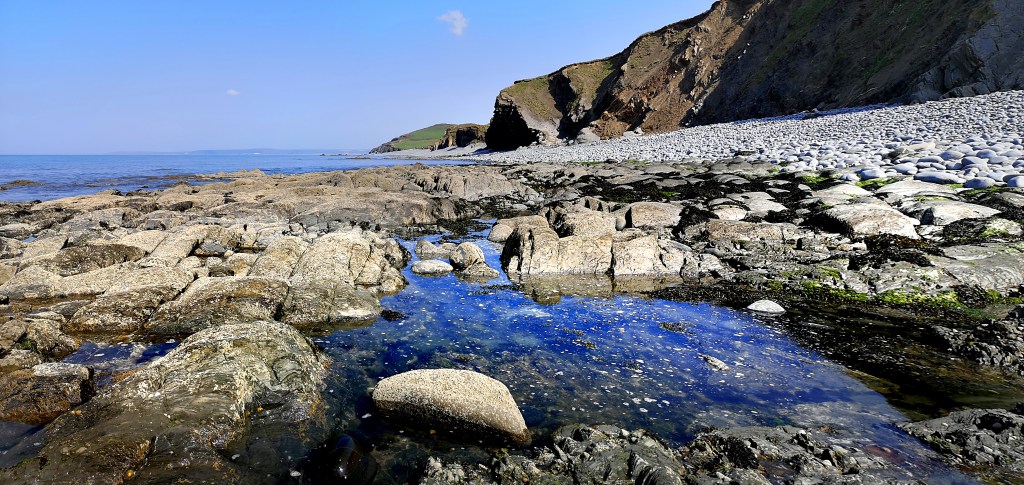
A trip out to Abbotsham to visit Greencliff and restock up on some Bideford Black pigment. What a marvellous day it turned out to be as the weather was forecast to be rather grey. It was an easy walk down to the Lime Kiln and then down onto the pebbly beach. There were a few picnicking couples enjoying the solitude and breath taking views along the North Devon Coast. I found the black seam and removed some of the dark claylike material, someone had been there before and left a hole in the cliff, this I made good with some rocks and clay to prevent any more erosion or collapse. After washing my hands I walked up and down the beach sketching and taking some pictures for further paintings, I then sat and admired the view in the Spring sunshine!
In search of the elusive Bideford Black Pigment otherwise known as Biddiblack. Running alongside seams of anthracite across North Devon is a black clay-like material that was mined for 200 years in Bideford for its uses as a strong black pigment. The unique ‘Mineral Black’, or ‘Biddiblack’ as it was known, was commercially produced for applications in the boat building industry, for colouring rubber products, for camouflage on tanks in WWII and was even bought by Max Factor for the production of mascara. The mines were closed in 1968 when the production of cheaper oil-based blacks and the depletion of the seam made the operation financially unviable, but many locals still remember the ‘Paint Mines’ and have tales to tell of using the paint or going into the now defunct mine shafts. Today it’s revered by artists who love it’s inky black non reflective properties. It first has to be dried, ground and then mixed with a medium such as PVA or Gum Arabic. Looking forward to making my own now and seeing what images I can produce.
Most of the information above was from a very informative website called The story of Bideford Black.