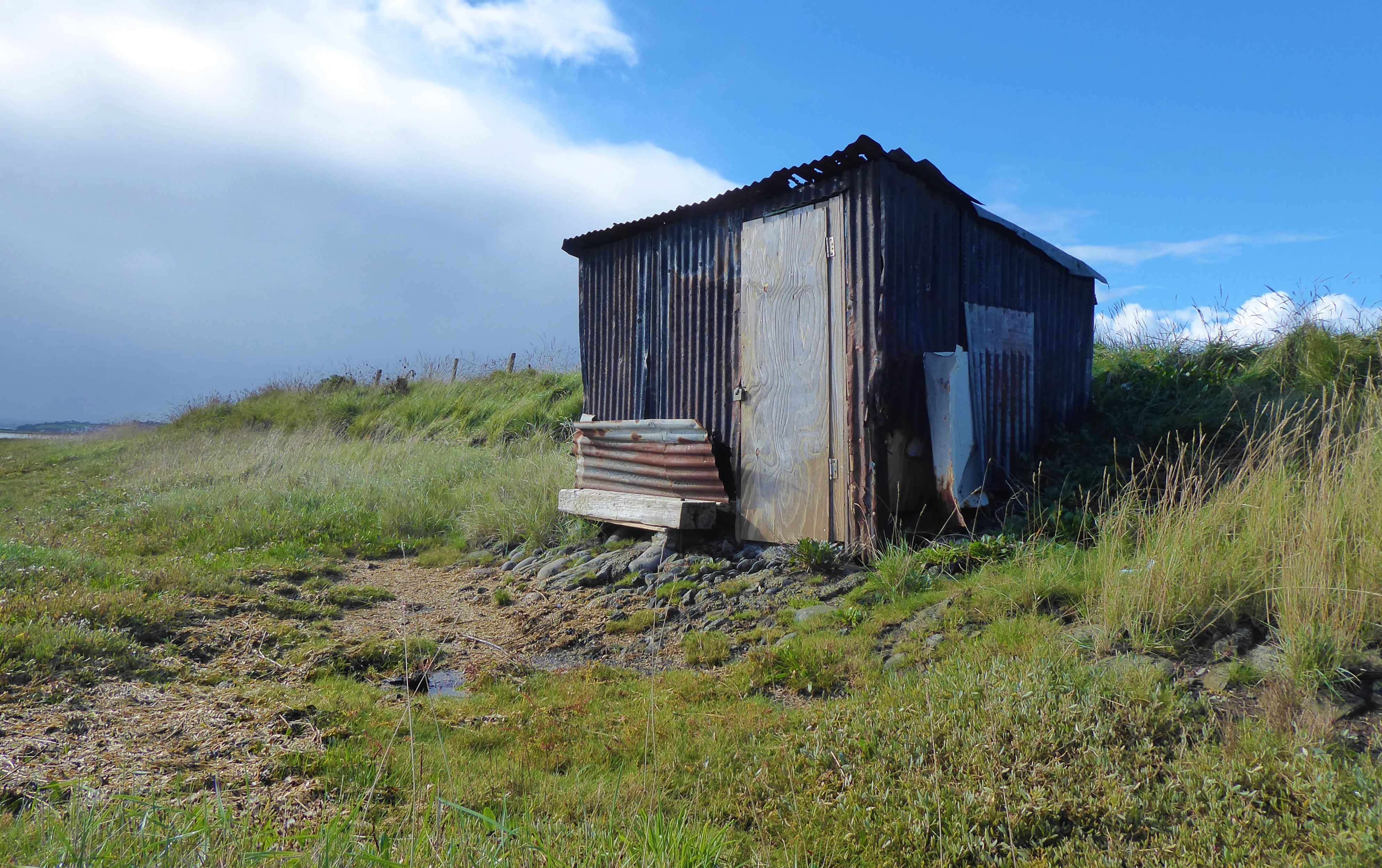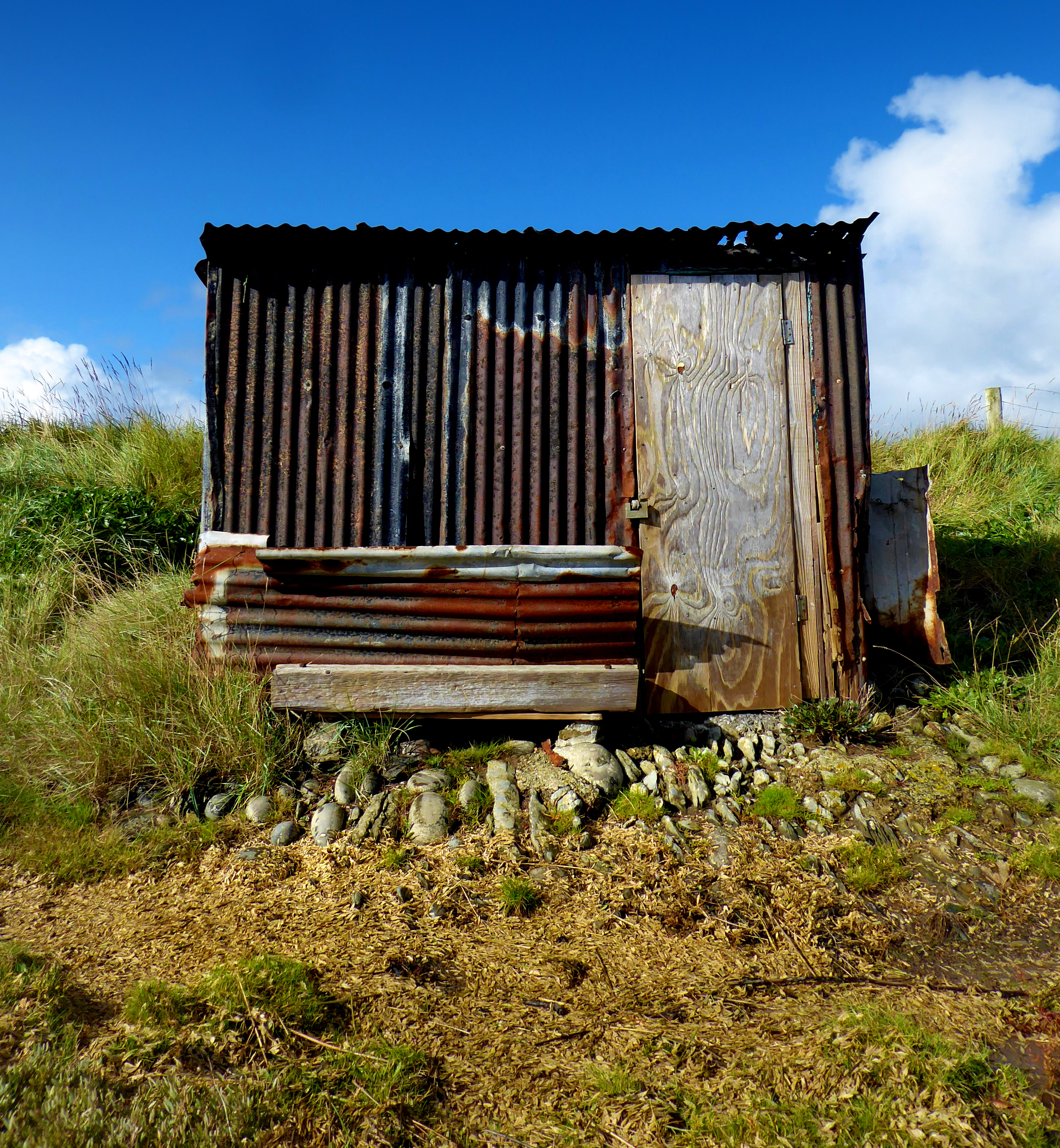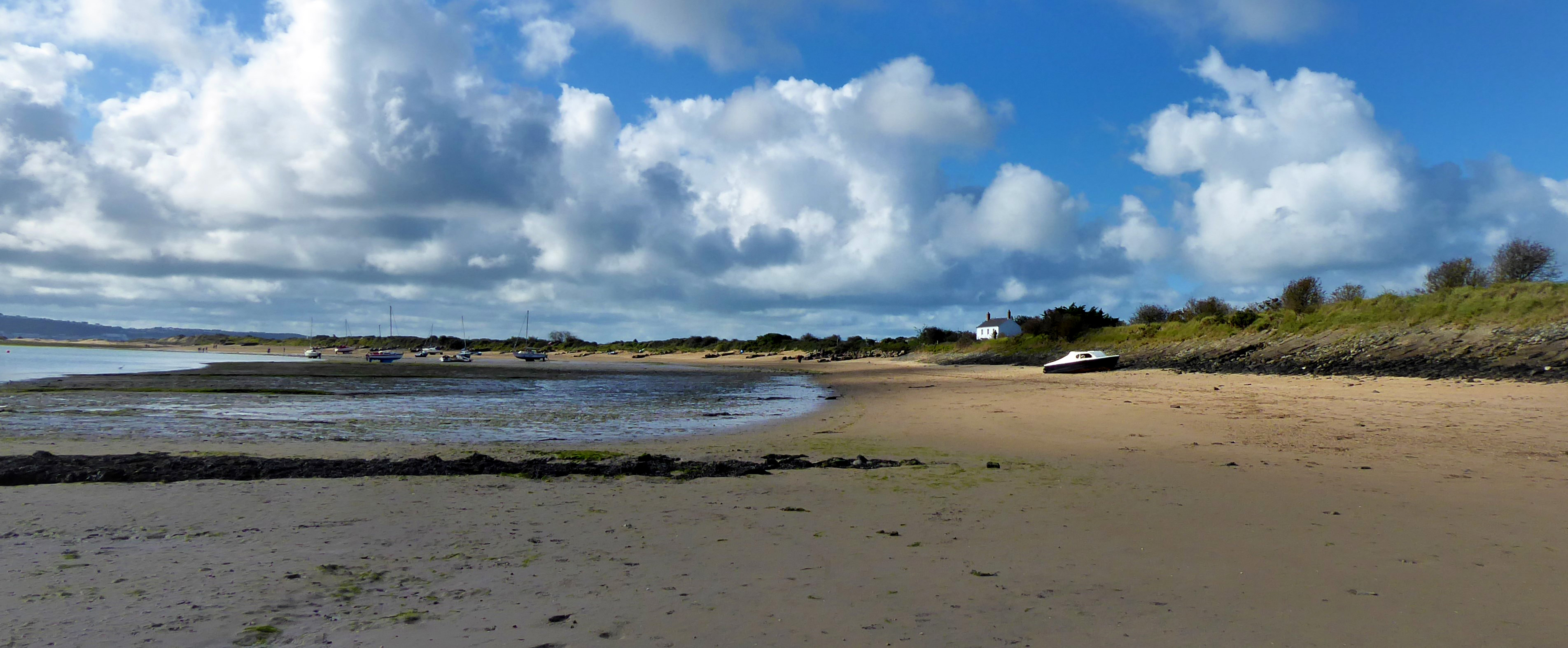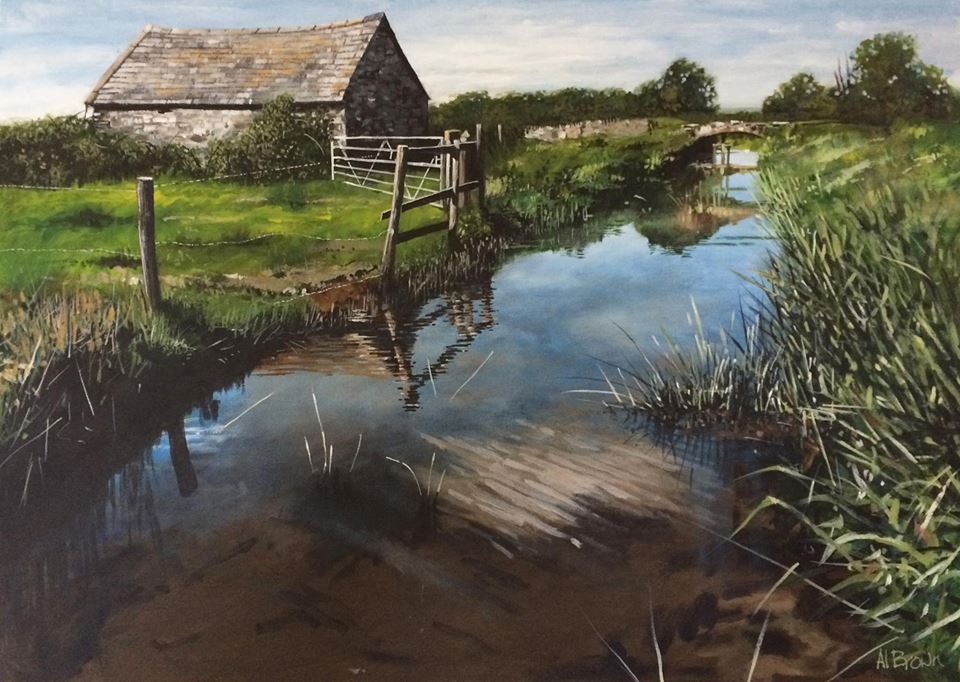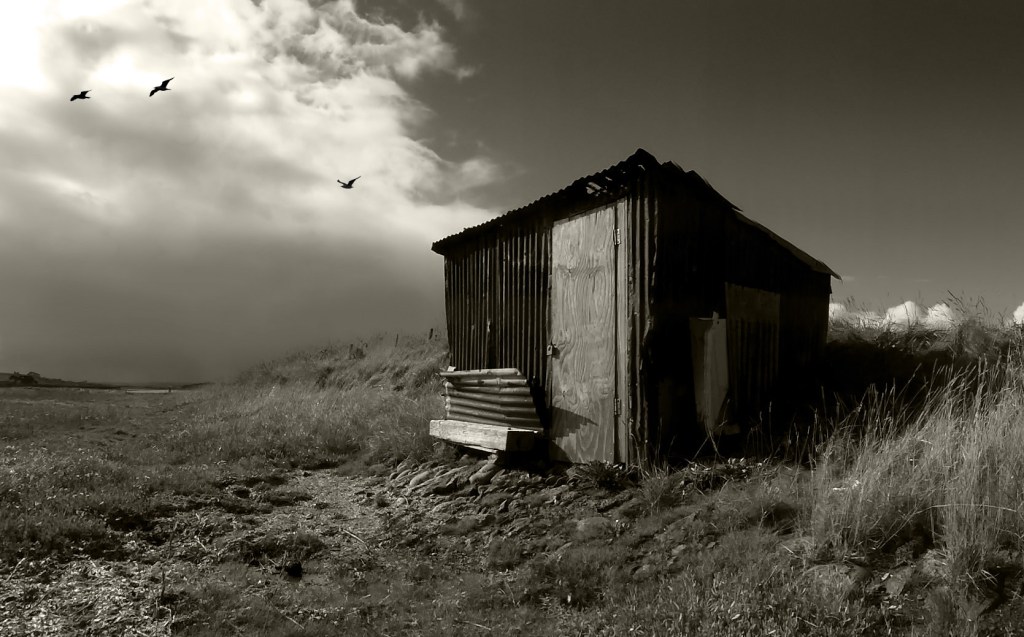
Fisherman’s Huts at Crow.

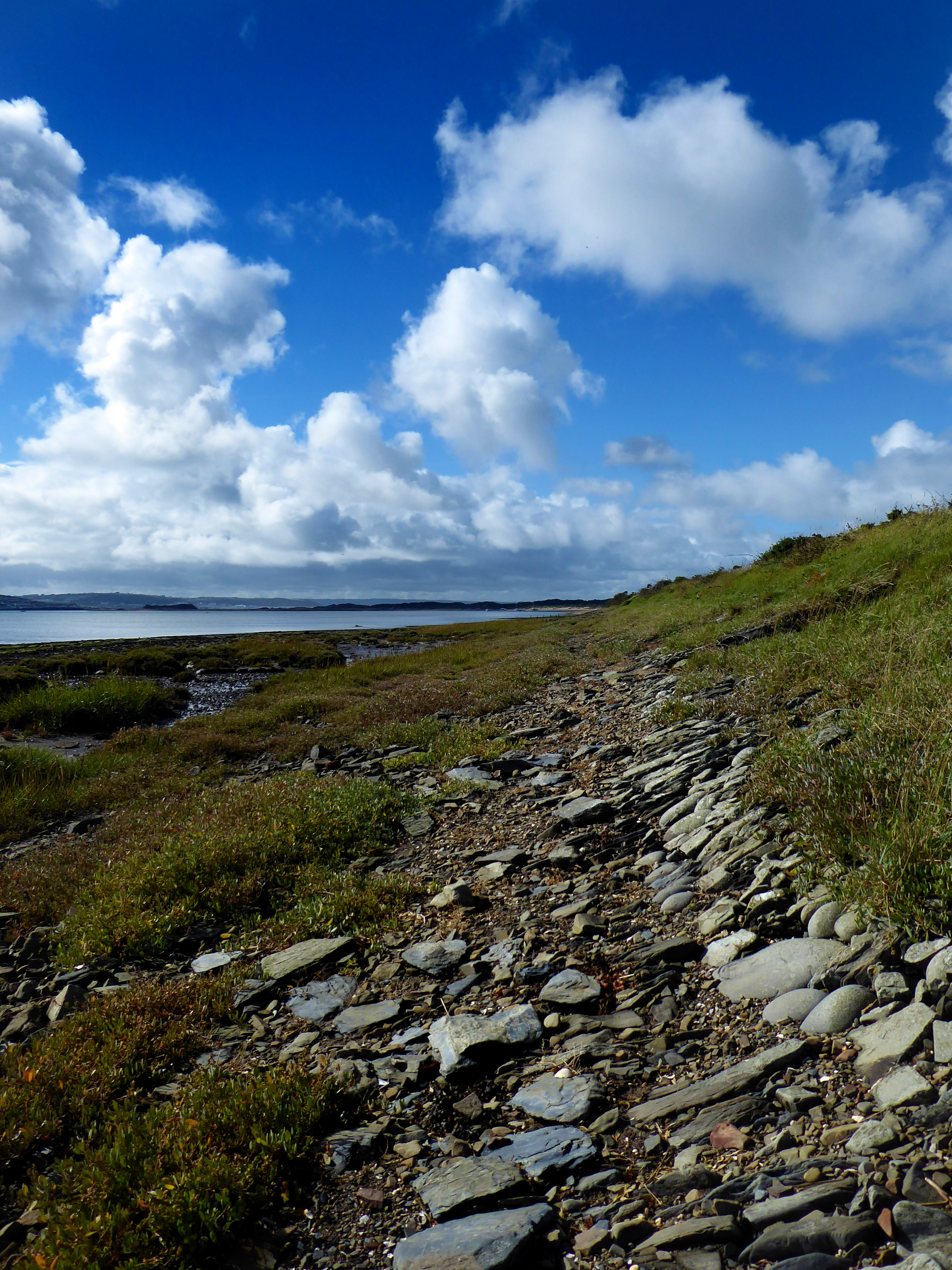
I was taken by an image, on Facebook, of a couple of old fisherman’s huts at Crow Point in North Devon and decided to sketch them in leu of a painting. I made my way to the White House at Crow and walked left along the thorn ridden breakwater; this is now the only way to get to these huts as part of the inner wall has collapsed. I arrived and marvelled at their rustic charm, rusty orange corrugated iron, weather bleached wooden doors and crude cobbles which remained from years ago.
Quickly I took a series of photographs and made a few reference sketches eventually the dark clouds forebode and soon it began to rain. Luckily one of the huts wasn’t locked and I weathered out the storm in it’s solitude loving that sound of rain on iron.
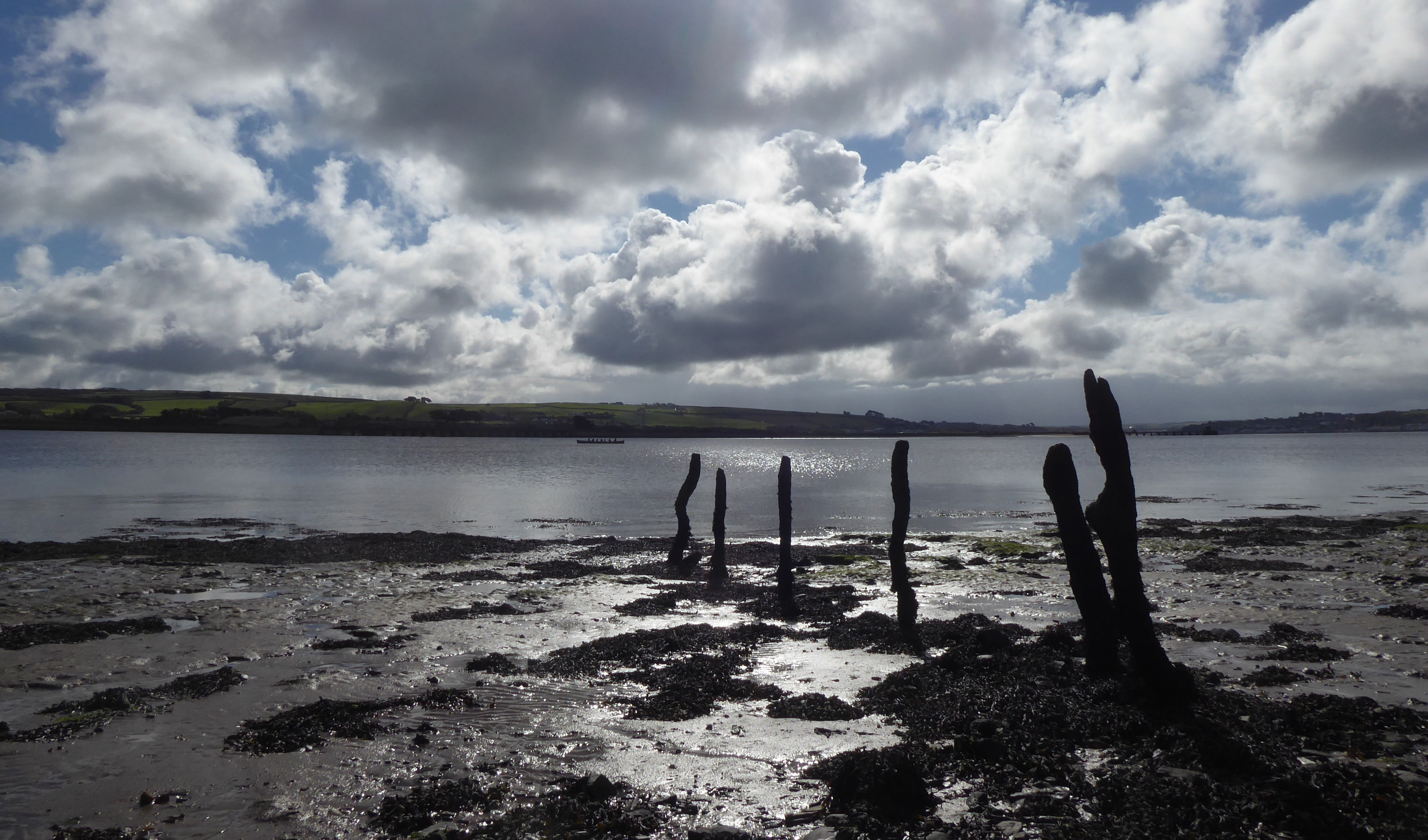
The smells of the estuary mud and seawater filled the air as I made my way back slipping on the mud and pebbles. Perhaps a painting to come? Al

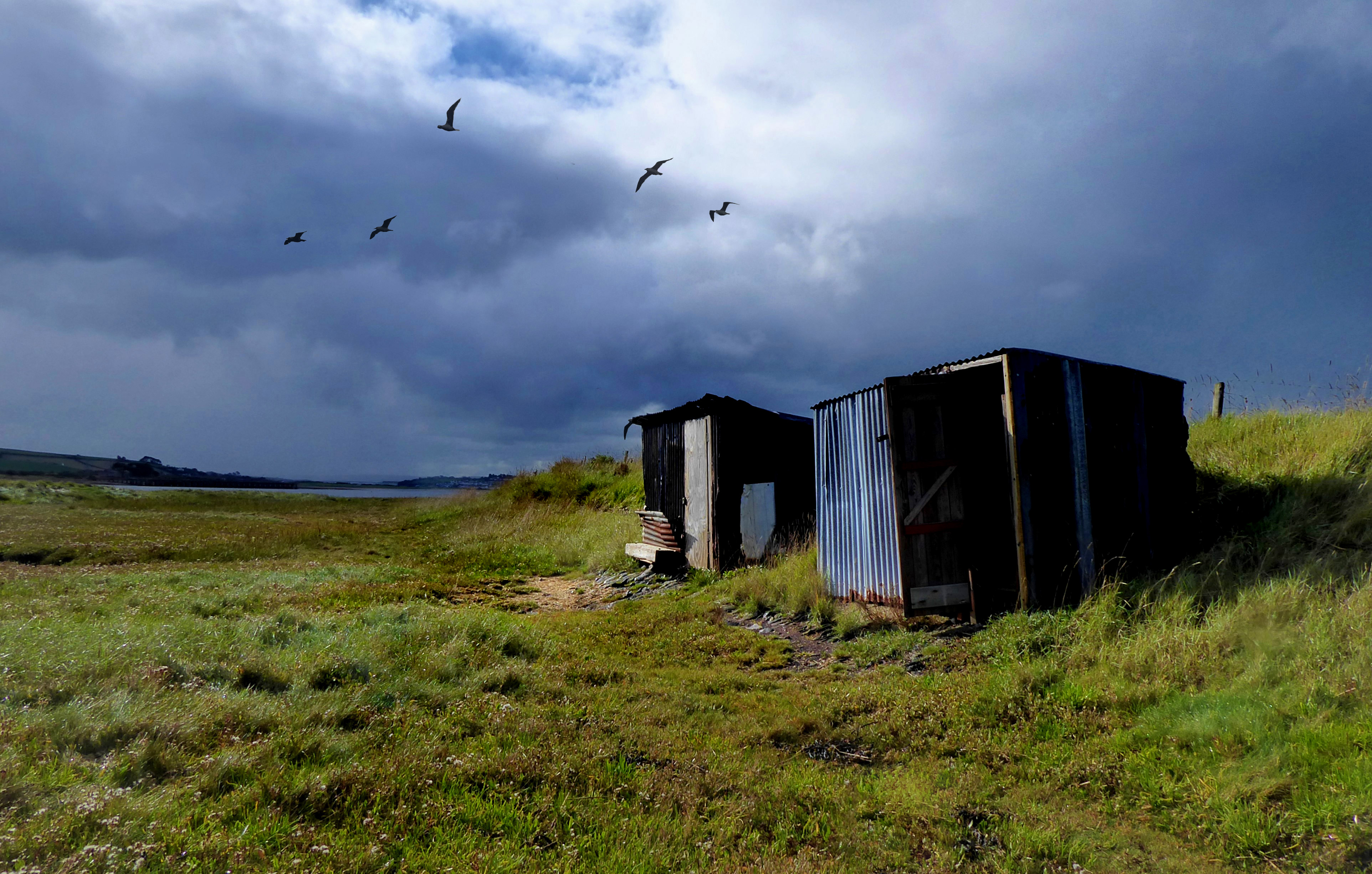
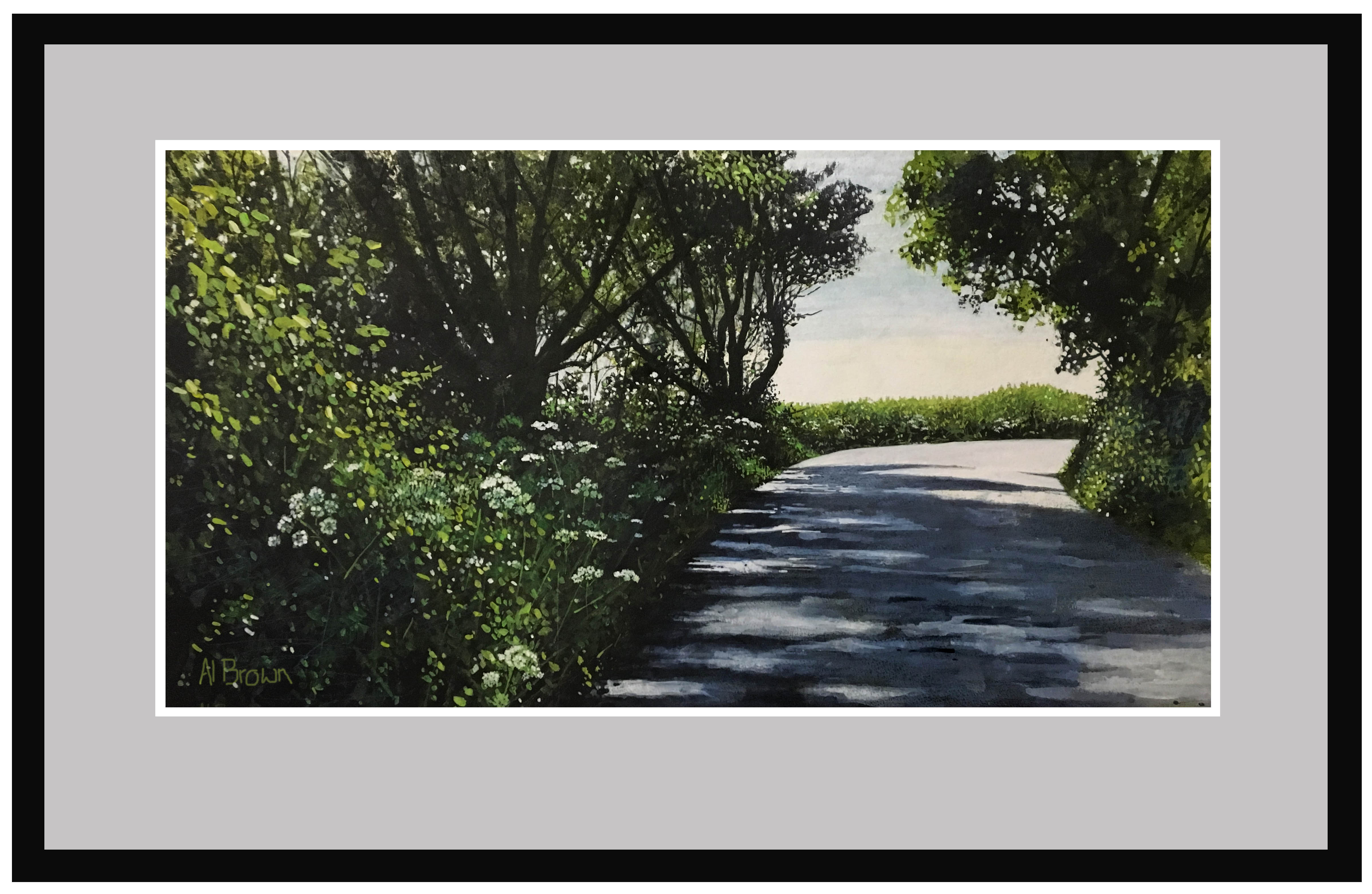
The Road Across The Marsh.

finished

An acrylic painting 690 x 380mm on Bockingford Paper.  It is of the road across the Marsh in Braunton, North Devon.  I particularly liked the dark summer shadows and Cow Parsley peeping through the gloom.  I cycle around the Marsh and always stop here by the bridge to look out across the fields and at the swans paddling up the narrow irrigation drains. Al

Bristol Beaufighters in North Devon.

The image above is of Blackpool Mill Cottage at Hartland in North Devon.  Images of the planes are from the Imperial War Museum Archive.  The people are from Google Images of people receiving supplies during a WW2 airdrop.  The cottage has been used in many films and TV dramas and is an image of mine.
https://www.hartlandpeninsula.co.uk/self-catering/blackpool-mill-cottage.html

final (2)

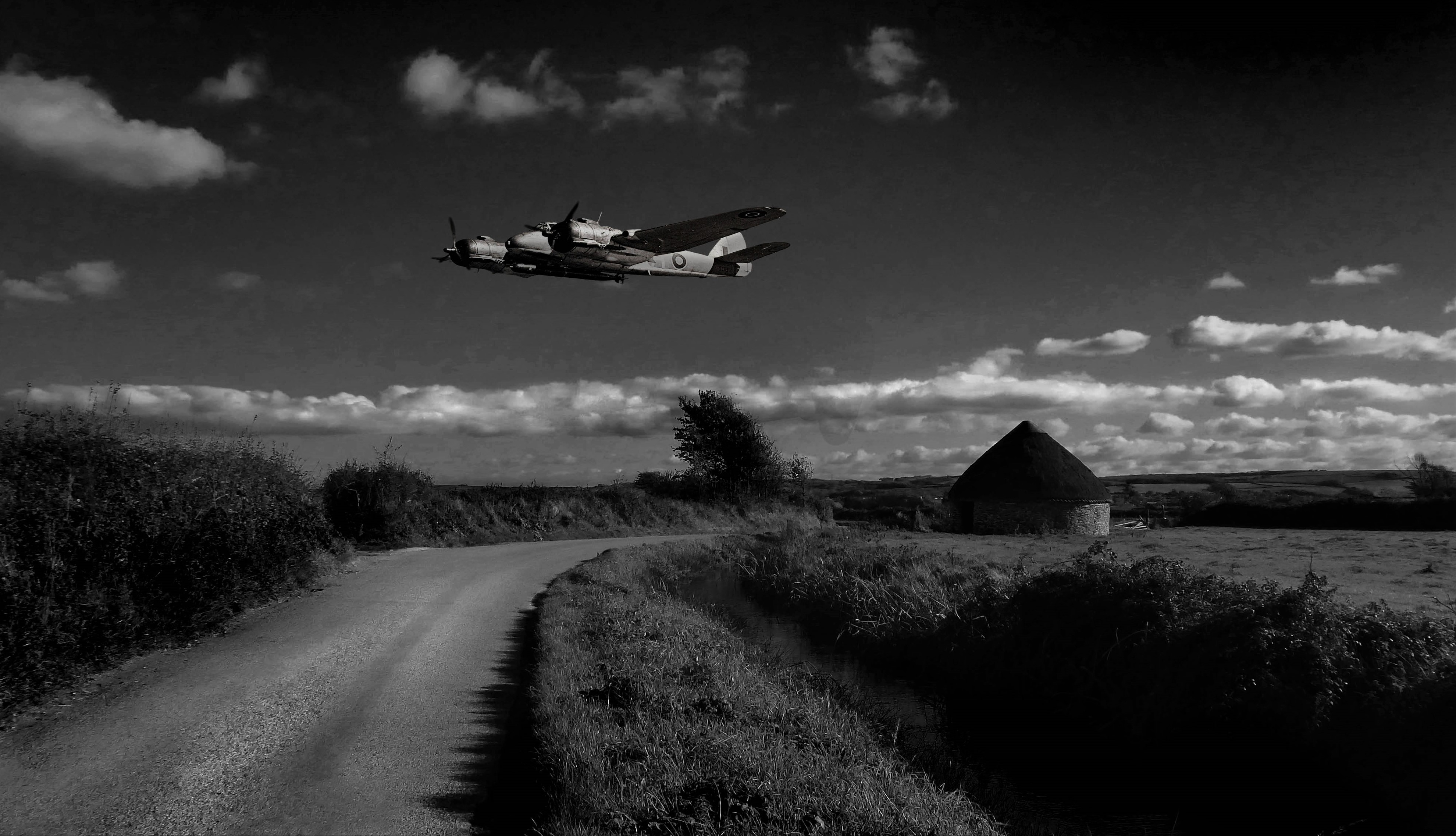
The image above is as if you happened to be cycling around the Braunton Marsh in North Devon during the second world war. RAF Chivenor is very close to the marsh and seeing such scenes must have been common place. Original aircraft image taken from Google Images and the marsh picture is one of mine.

In July 1942 three squadrons of Bristol Beaufighters were located at RAF Chivenor in North Devon to offer protection to shipping in the Bay of Biscay and to undertake anti submarine duties.  These comprised of 235, 236 & 248  Squadrons of the RAF. Wikipedia

The cockpit of a Beaufighter 252 Squadron RAF Chivenor Imperial War Museum.
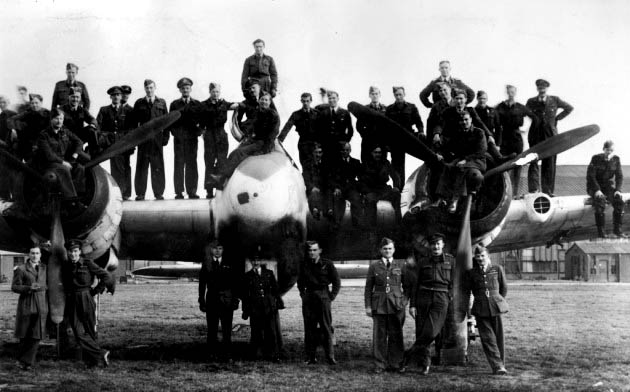
A Beaufighter and personnel of 235 Squadron, October 1942. North Devon Gazette.

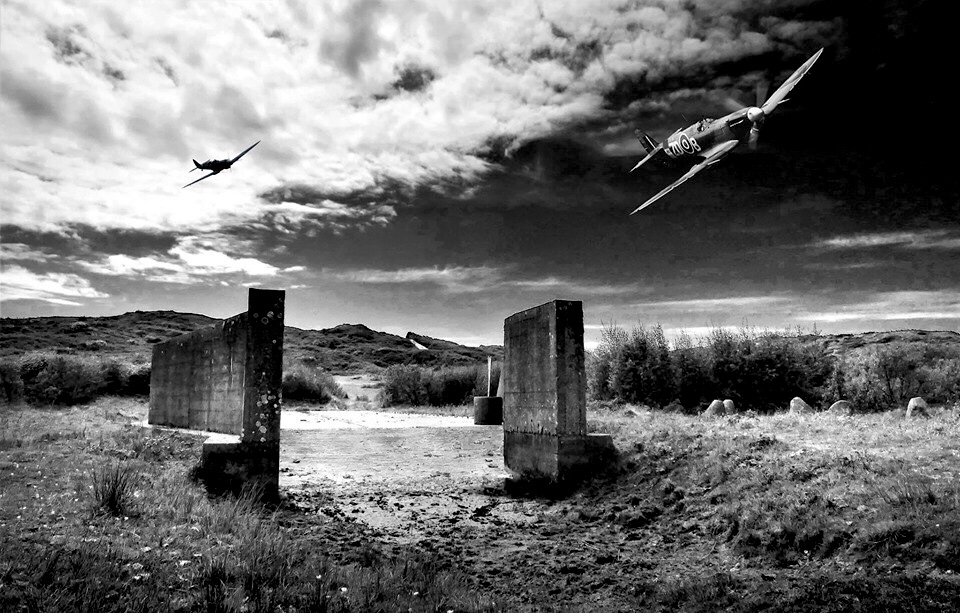
Spitfires over Braunton Burrows. Inspired by the work of Alfred G Buckham.

This is my version inspired by Buckham’s work of Spitfires over the US Assault Training Centre concrete landing craft on Braunton Burrows. These concrete structures, were laid during the World War 2 by the Americans when practising for the D Day Landings on Omaha and Utah by 146th Eng, Co C, 1st Platoon.  Al

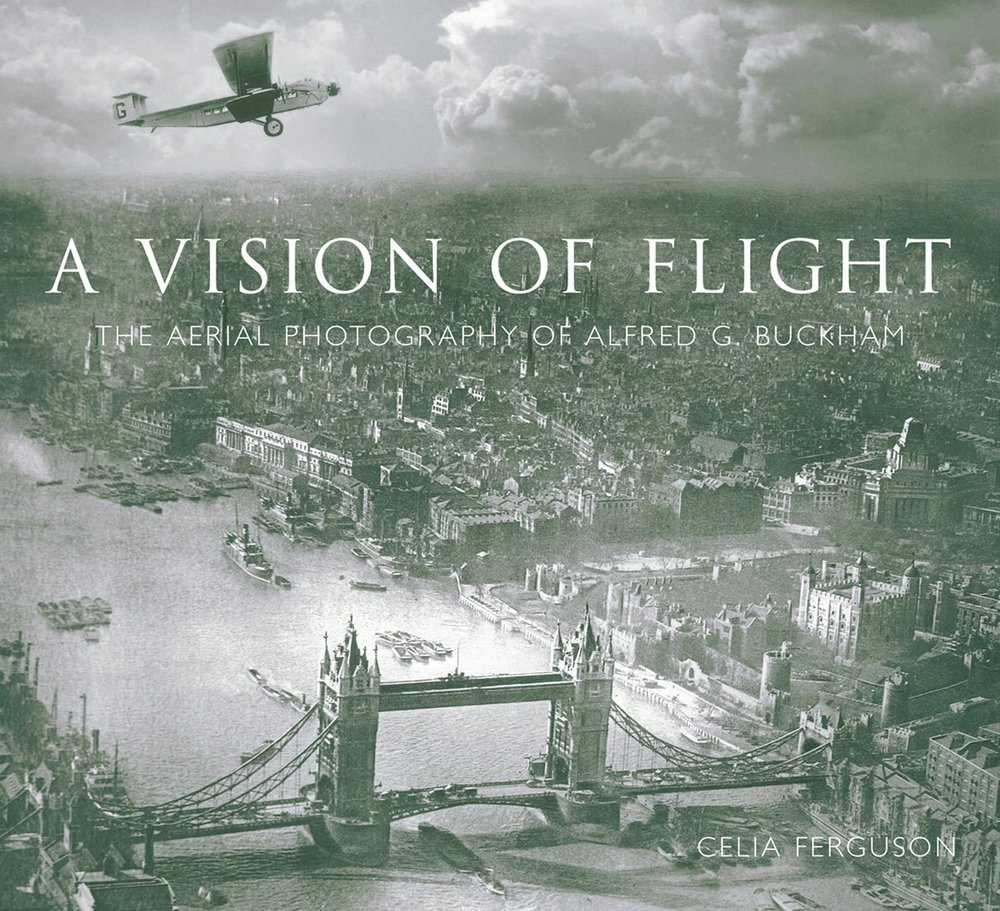
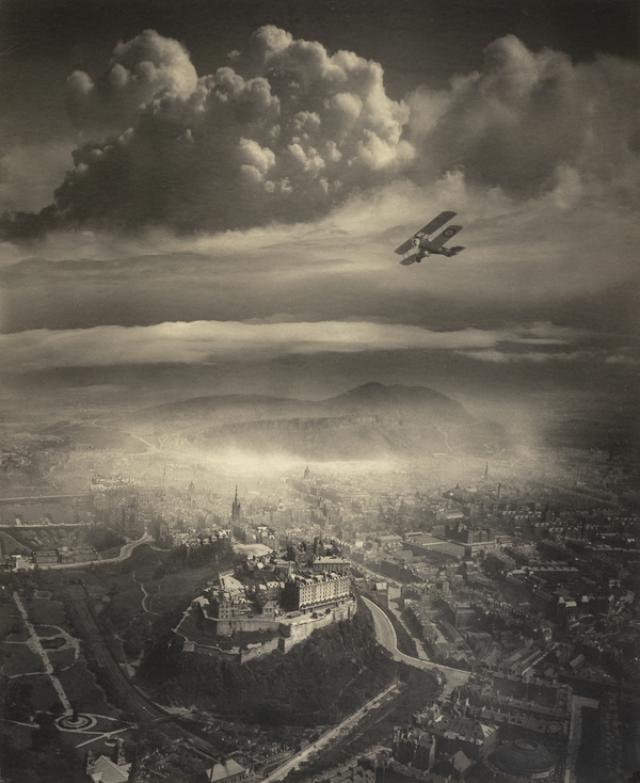
I’ve been looking recently at the old 1920s aerial photographs by Alfred G. Buckham.  I loved looking at his pictures in old faded books when I was a child and marvelled at their imagination and camera angles, I later understood that they were actually skilful photo-montages.
Alfred was born in London on 6 November 1879. He began his career in photography  in 1905 and joined the RAF as a reconnaissance photographer in 1917. He became the first head of aerial reconnaissance for the Royal Navy, in the First World War and later a captain in the Royal Naval Air Service.
Buckham was involved in 9 crashes, 8 of which saw him relatively unscathed. After the ninth, however, he had to have a tracheotomy and breathed through a small pipe in his neck for the rest of his life. Despite this, he carried on his aerial photography career, often in very perilous conditions. He felt the best shots were made standing up, writing “If one’s right leg is tied to the seat with a scarf or a piece of rope, it is possible to work in perfect security”.

https://www.nationalgalleries.org/art-and-artists/features/crafting-image-photographic-techniques-alfred-g-buckham

11799

22256418_10159494841790717_3068191309177626857_o copy copyHawker Hurricane over the Linhay on the Marsh!
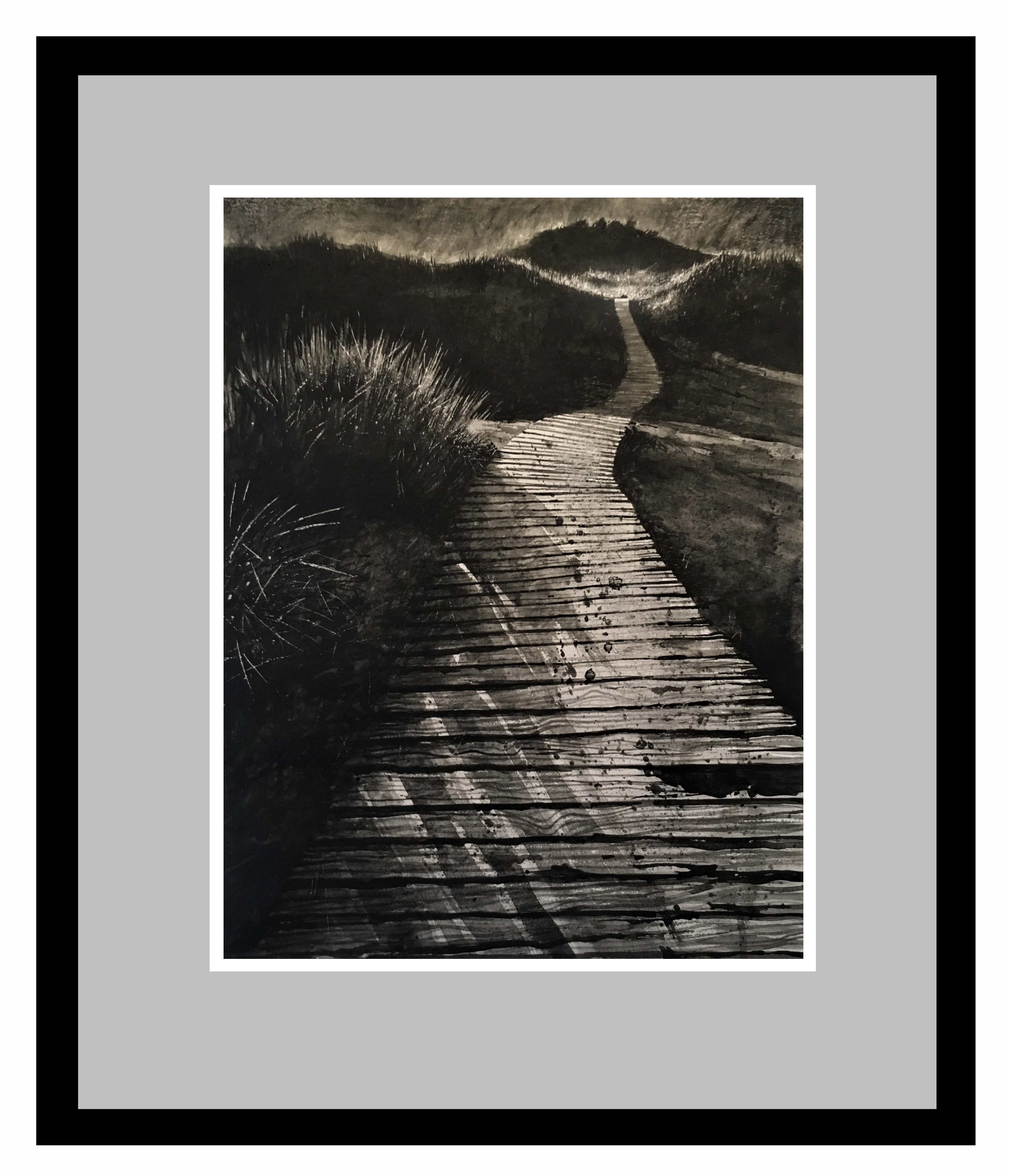
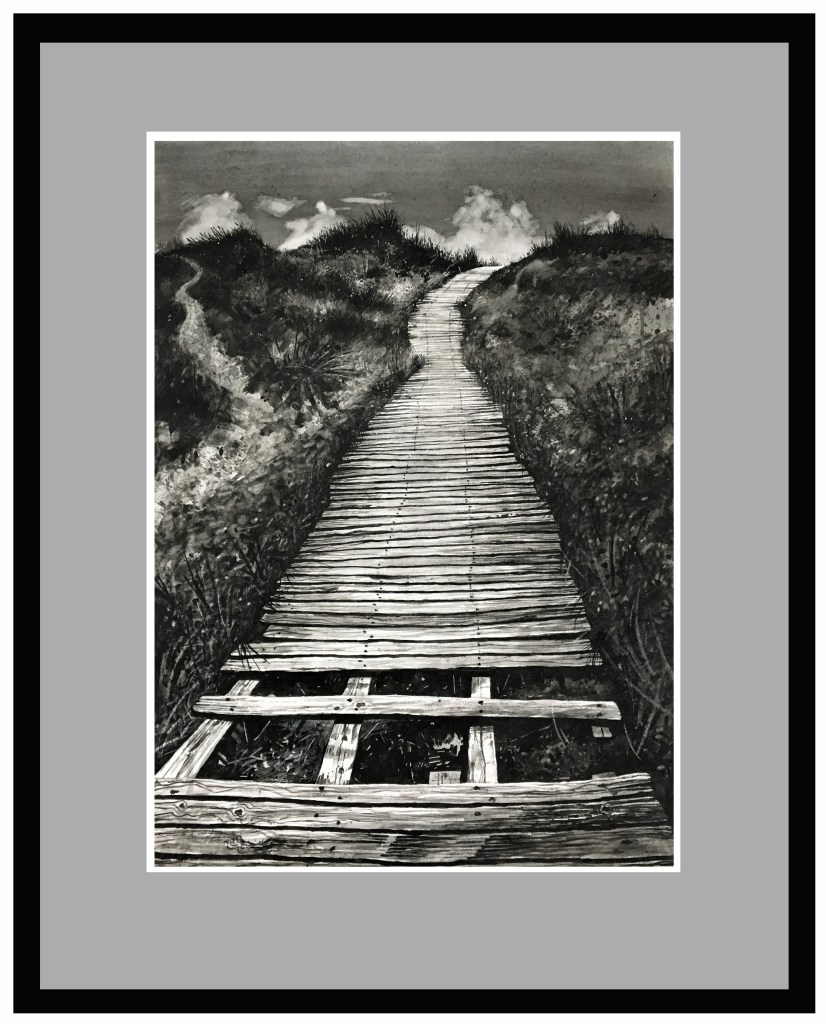
Along the boardwalk to the beach.

img_1649Another painting in Bideford Black paint with some added sgraffito, picture size 610 x 440mm on Bockingford paper.  This was painted after a visit to Crow Point in North Devon.  After driving along a toll road you park and walk along this boardwalk to the point where you usually get the beach to yourself.  This beach gives you wonderful views of Instow, Appledore and Westward Ho due to its position at the entrance to both Torridge and Taw Estuaries.  Spend many happy times here building driftwood fires and watching the sunsets.  Al


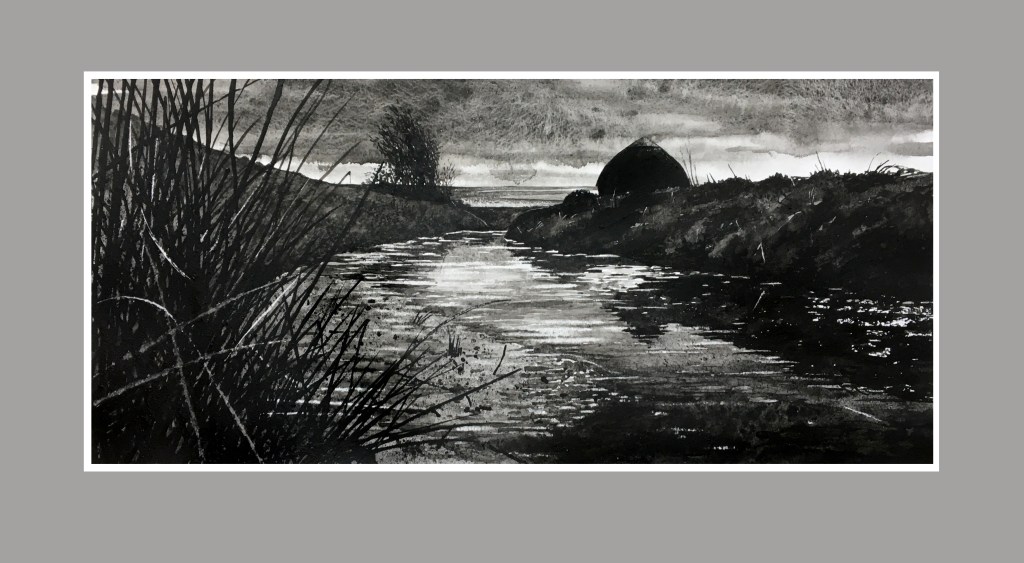
Linhay on the marsh.


img_1596

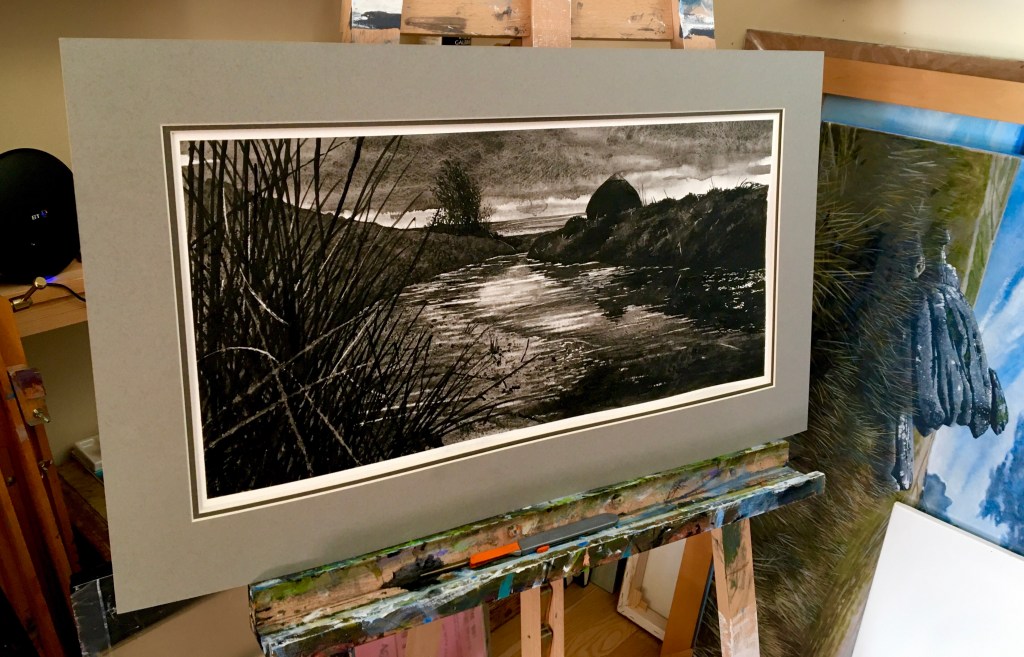
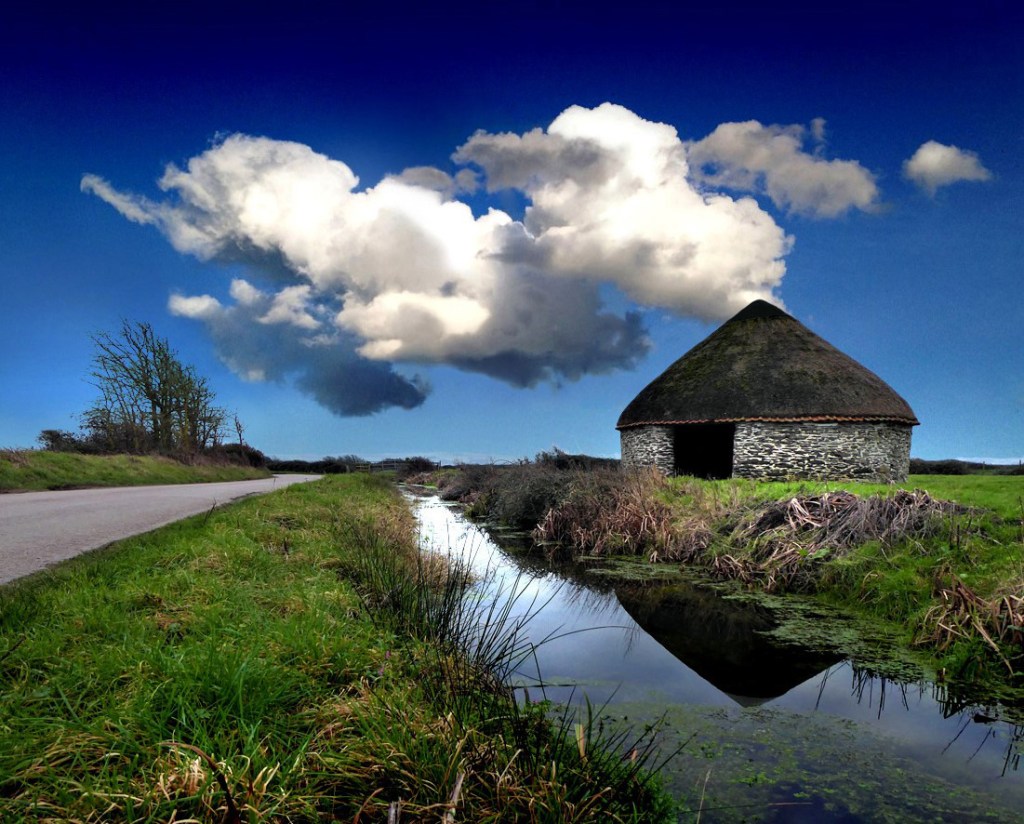
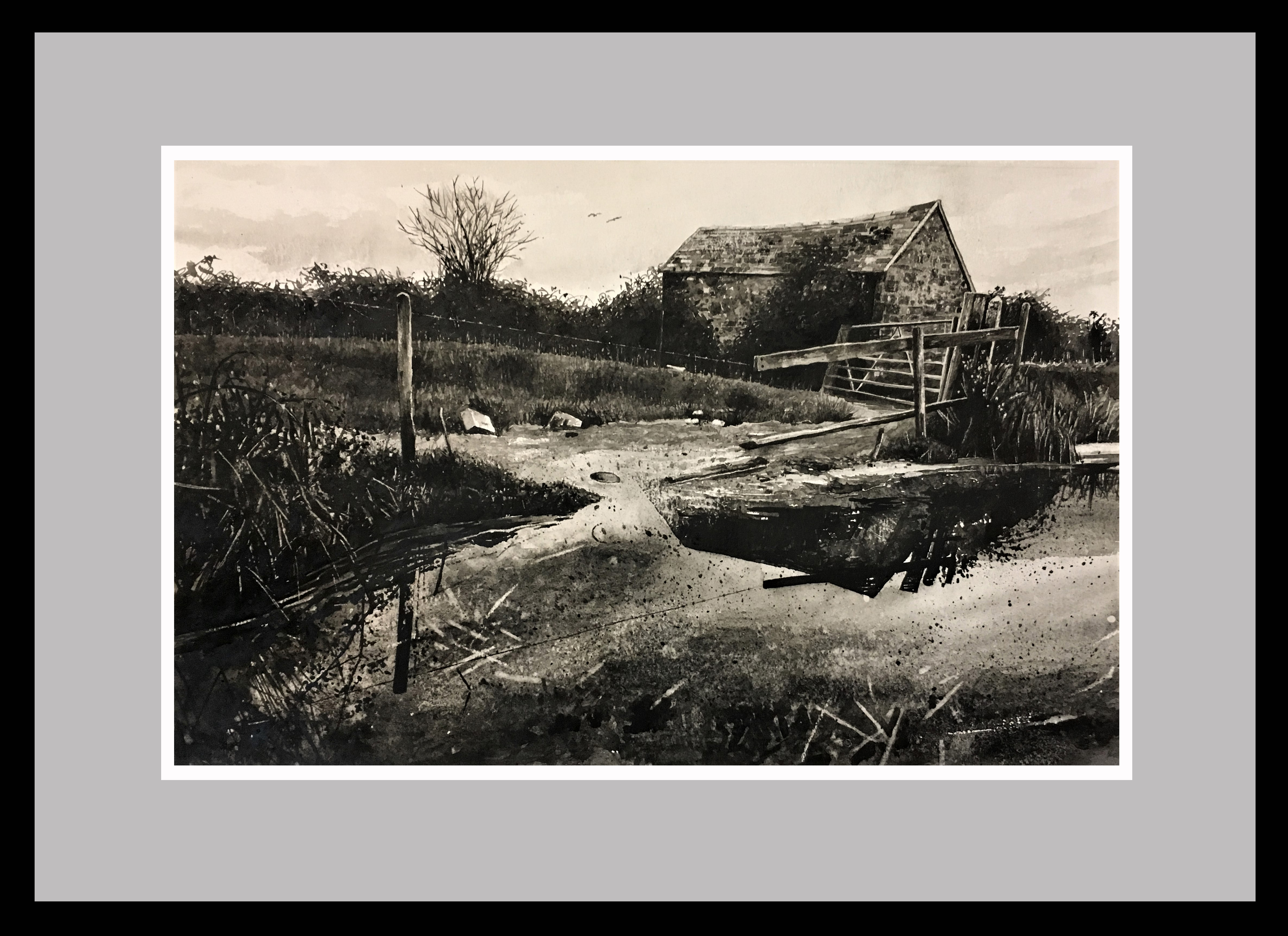
Linhay on the marsh, painted on 250lb Bockingford paper, 700 x 440mm.  For my black and white paintings I use my own prepared Bideford Black paint from a local pigment seam and have painted on of my favourite scenes from the Braunton Marsh.  Sadly the marsh is under ecological danger from encroaching salt water due to a breached tidal bank.  Hopefully this will be repaired before irreparable damage occurs.  Al

Above are the earlier stages with the use of masking fluid to keep areas clear of the layers of paint prior to finishing.  The photograph of me working is by Adrian Beasley, check out his landscape photography online.  Below is an earlier painting of this Linhay.

19510553_1522932607757467_6031365408800002740_n